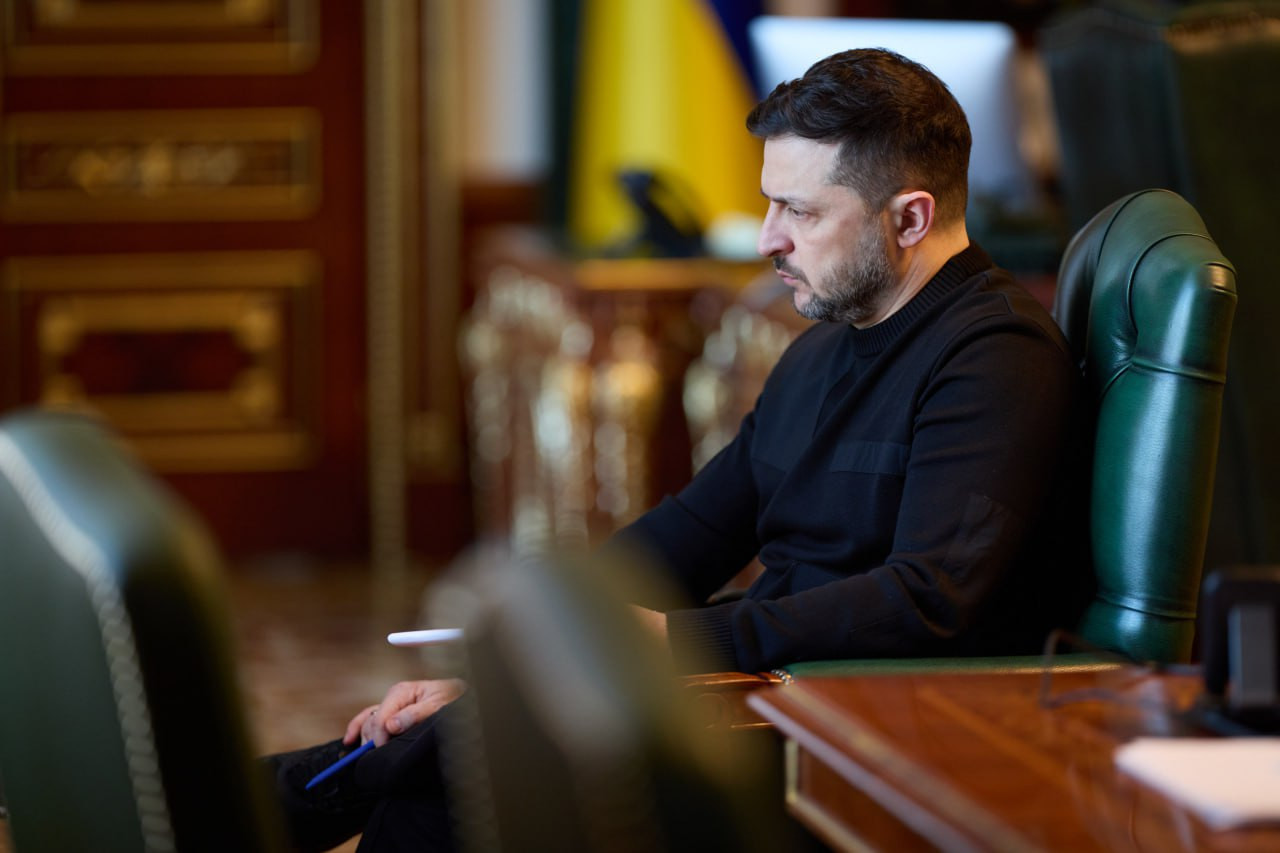
President Volodymyr Zelensky has dismissed Mykhailo Fedorov, the minister credited with scaling Ukraine's drone program and reforming military procurement.
Key facts
- •Mykhailo Fedorov was removed after six months as defence minister.
- •Fedorov's reforms saved over $100 million on one artillery contract.
- •Colonel Pavlo Yelizarov resigned on July 16 in protest of the firing.
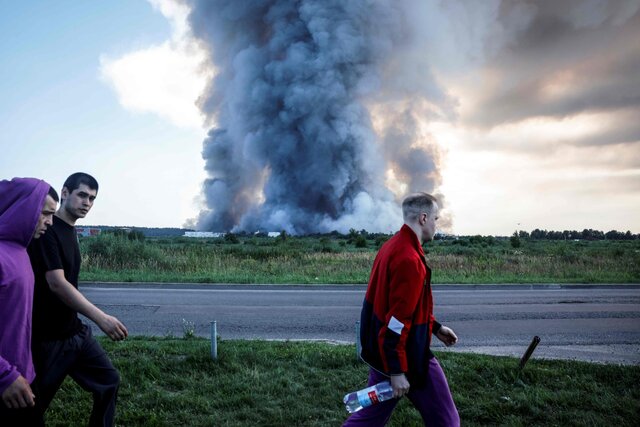
- •Protests took place in Kyiv, Lviv, Odesa, and Dnipro following the announcement.
- •Yevhen Khmara was named as the successor by Thursday evening.
- •Russia is reportedly building a drone force of 100,000 personnel.
Ukraine has removed Mykhailo Fedorov, the defence minister who led the 'Army of Drones' initiative and pushed for systemic procurement reforms. His dismissal follows an open conflict with commander-in-chief Oleksandr Syrskyi regarding military strategy and decision-making. President Volodymyr Zelensky has since appointed Yevhen Khmara, the acting SBU chief, as his successor.
By the numbers
Reforms and Internal Conflict
Fedorov was known for implementing competitive tenders and polygraph testing for contractors, which reportedly saved over $100 million on a single artillery contract. He had publicly criticized the military command, accusing leadership of making decisions based on loyalty rather than data and blocking his initiatives. Fedorov declined an advisory role offered by President Zelensky following his removal.
Resignations and Public Response
Following the dismissal, Colonel Pavlo Yelizarov, deputy air force commander, resigned on July 16, stating that the move harms Ukraine's defence capabilities. Protests occurred in Kyiv, Lviv, Odesa, and Dnipro the morning after the firing. Fedorov had recently finalized agreements to integrate Ukrainian firms into EU defence programs, including partnerships with companies from Estonia, Latvia, Poland, Germany, Finland, and France.
Military Strategy and Succession
The new appointee, Yevhen Khmara, previously led the SBU's Alpha centre, which managed deep-strike operations. While Khmara has experience in asymmetric warfare, concerns remain regarding the future of the procurement discipline and reform models established by Fedorov. Meanwhile, Russia is reportedly developing a drone force of 100,000 personnel, increasing pressure on Ukraine to maintain its pace of innovation.
Advertisement
This article was independently rewritten by ManyPress editorial AI from reporting originally published by EUobserver.