Virtual power plants (VPPs) allow utilities to manage household energy devices during peak demand in exchange for financial incentives.
Key facts
- •Smart thermostat programs typically offer a $50 to $150 sign-up bonus plus $25 to $50 in annual payments.
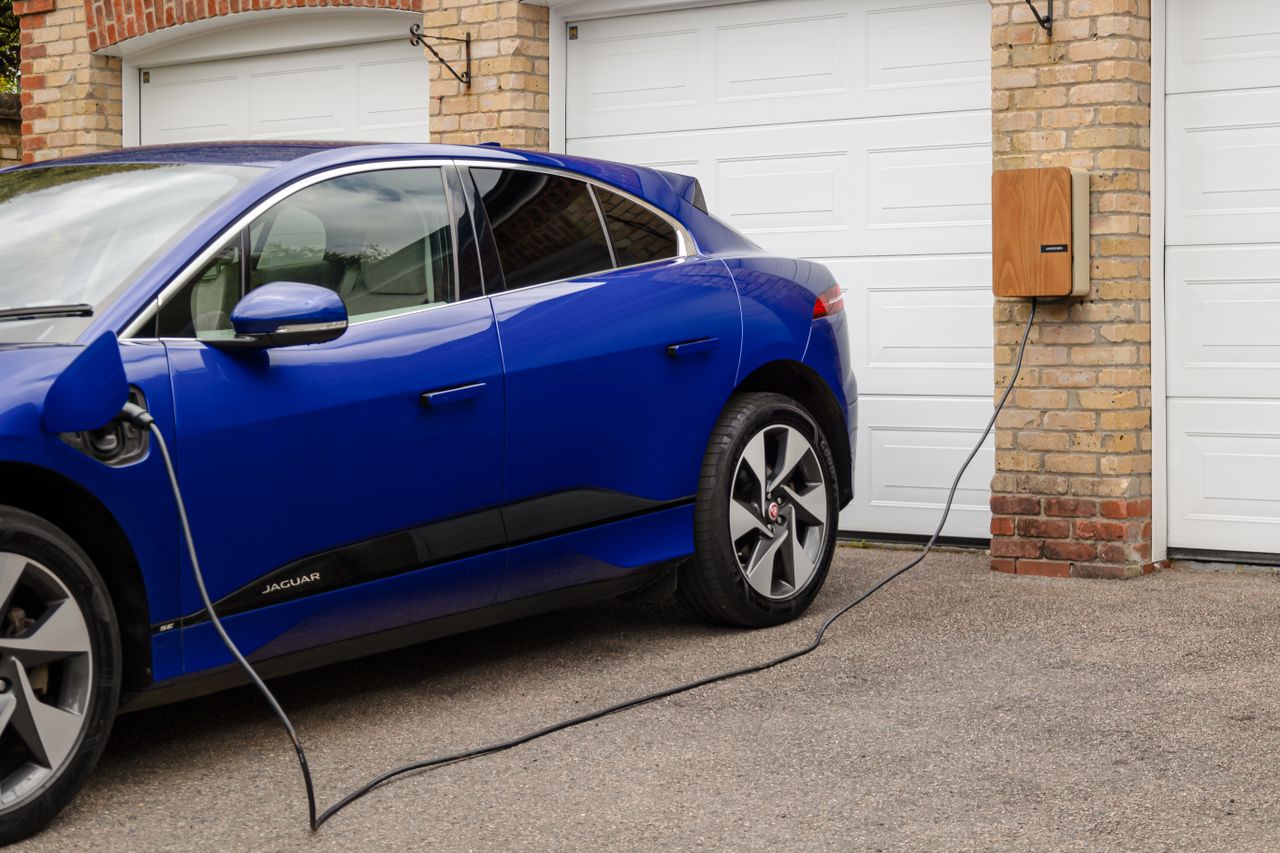
- •Home battery and electric vehicle programs can yield hundreds or thousands of dollars in annual savings.
- •Most VPPs do not actively send energy back to the grid, though battery-to-grid programs are increasing.
- •As of 2023, there were more than 500 VPP programs operating in the United States.
- •An estimated 4 million households were enrolled in smart thermostat VPP programs as of last year.
A virtual power plant (VPP) is a network of household devices, such as smart thermostats, electric vehicle chargers, and home batteries, that utility companies can remotely control to manage electricity demand. By adjusting these devices during peak hours, utilities can reduce strain on the grid. In return, participants typically receive financial incentives, including bill discounts or sign-up bonuses, while helping to avoid the need for expensive grid upgrades or new power plants.
By the numbers
Enrollment and Eligibility
Finding a VPP program often requires searching for terms like "demand response" or "connected solutions" on a utility's website, as the phrase "virtual power plant" is not always used. Enrollment can also be initiated through device manufacturers, such as through a smart thermostat or EV app. Eligibility is highly specific, often depending on the brand of the device, the local utility territory, and the customer's rate plan. Programs are most prevalent in regions with stressed power grids or strong state policies, such as California, Texas, and New England. As of 2023, there were over 500 VPP programs operating in the U.S., with an estimated 4 million households enrolled in smart thermostat programs.
Evaluating Flexibility and Risks
Before joining, consumers must determine if they can tolerate occasional remote adjustments to their home devices. While many programs allow participants to opt out of specific events—such as when hosting guests or preparing for a long trip—some households may lack the flexibility to participate due to work schedules, health needs, or existing energy-saving habits. Privacy is another consideration, as these programs collect data on device usage, which could potentially reveal household routines. While industry representatives state that data collection is limited to the functional needs of the hardware, organizations like the Electronic Frontier Foundation have noted that such information could be used to infer private habits.
Advertisement
This article was independently rewritten by ManyPress editorial AI from reporting originally published by MIT Technology Review.