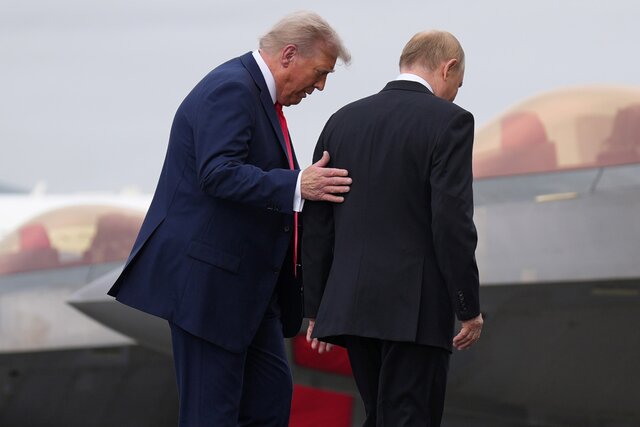
President Donald Trump and Vladimir Putin have agreed to a deal for Russian diesel supplies, drawing criticism from Ukrainian President Volodymyr Zelensky.
Key facts
- •The U.S. Treasury issued a temporary license for Russian diesel sales effective through April 7, 2027.
- •Russia will supply over 300,000 metric tons of diesel immediately, followed by 1.5 million metric tons in subsequent shipments.
- •President Zelensky stated that the deal treats Ukraine as a 'front' and risks prolonging the war.
- •U.S. negotiators are meeting with Ukrainian officials in Miami on October 9 and 10 to discuss new proposals.
- •President Putin previously linked high global fuel prices to sanctions rather than just the impact of strikes on refineries.
President Donald Trump and Vladimir Putin have reached an agreement for Russia to supply diesel fuel to the U.S. and global markets. Following a phone call on October 9, the U.S. Treasury Department issued a temporary license allowing these sales through April 7, 2027, despite existing sanctions. Trump described the talks as highly successful, while Russia has begun lifting its own domestic restrictions on diesel exports.
By the numbers
Supply Details and Market Impact
The agreement includes the immediate delivery of over 300,000 metric tons of diesel, with plans for an additional 500,000 metric tons in November and one million metric tons thereafter. While the U.S. currently exports approximately 1.5 million barrels of diesel daily, experts cited by Reuters suggest the Russian shipments will support the market without fully resolving fuel shortages or rising prices.
Political Reaction and Ongoing Talks
Ukrainian President Volodymyr Zelensky criticized the deal, stating that easing sanctions without de-escalation shows weakness and serves as an investment in the war. Zelensky expressed concern that Ukraine is being used as a front in negotiations. Meanwhile, U.S. negotiators are meeting with a Ukrainian delegation in Miami to discuss new proposals, with representatives from the U.K., France, Germany, NATO, and the EU invited to participate.
Context of Energy and Sanctions
The deal follows pressure on the U.S. administration regarding rising fuel prices ahead of congressional midterm elections. Previously, Russia had imposed export bans on diesel and marine fuel following Ukrainian strikes on its oil refineries. While Kyiv had proposed an 'energy truce' involving a mutual halt to energy infrastructure attacks, Putin rejected this on October 2, stating that high prices would persist unless sanctions were lifted.
Timeline
- October 2Vladimir Putin rejected an energy truce with Ukraine at the Valdai forum.
- October 9Donald Trump and Vladimir Putin agreed to a diesel supply deal.
- October 9 and 10A Ukrainian delegation is meeting with U.S. negotiators in Miami.
Advertisement
This article was independently rewritten by ManyPress editorial AI from reporting originally published by Meduza (English).