
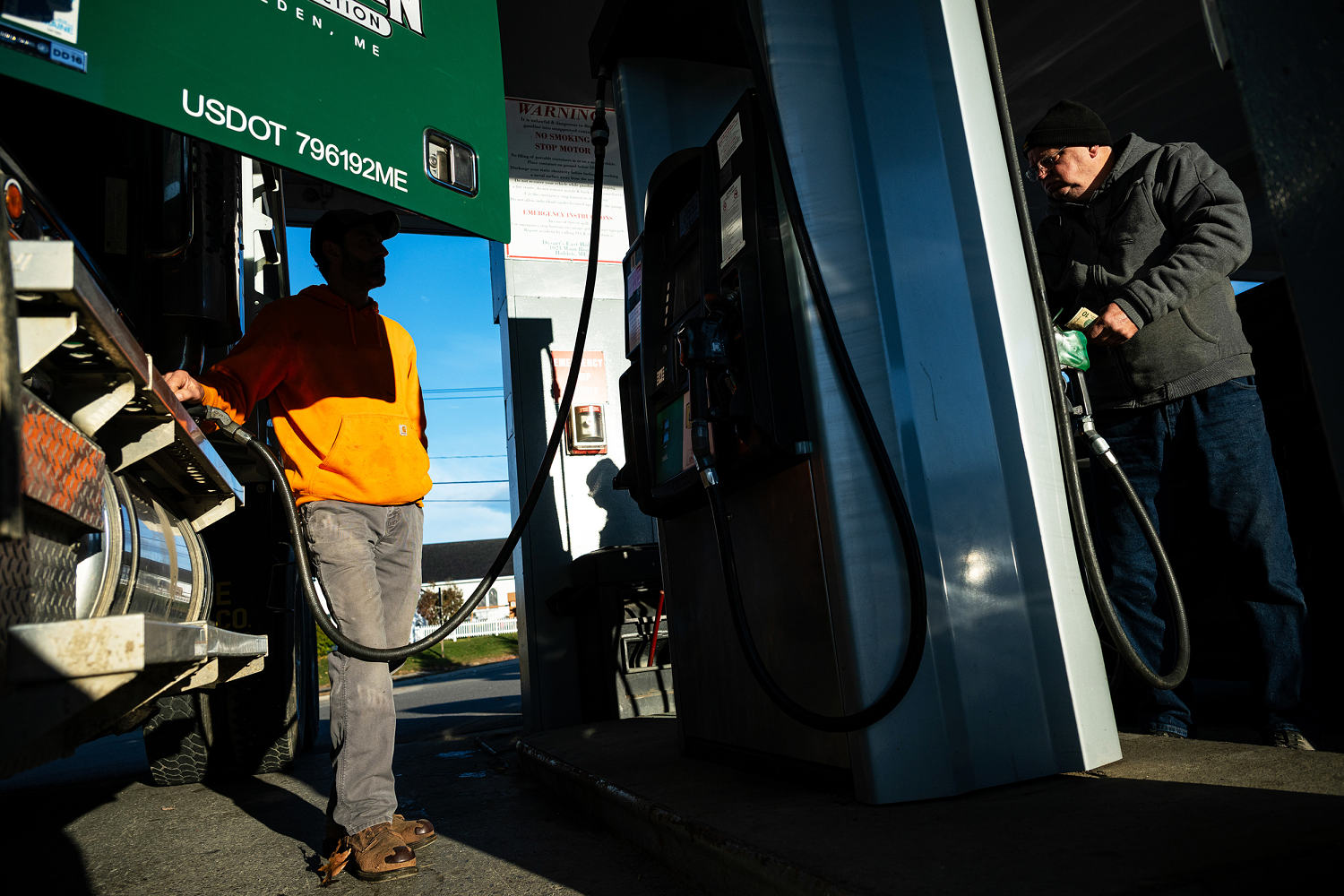
The national average for regular gasoline dropped below $4 per gallon on Tuesday, driven by falling oil costs, seasonal fuel blends, and shifting political expectations.
Key facts
- •The national average for a gallon of regular gasoline fell to $3.98 on Tuesday, according to AAA.
- •Diesel costs also decreased, with the national average dropping to $6.16 a gallon from $6.53 in late September.
- •Brent crude traded at around $91 per barrel on Tuesday after oil futures experienced their biggest one-week drop since April 2020.
- •October consumer price data showed food prices rose at a monthly pace of 0.5% after remaining flat in September.
The average nationwide price for regular gasoline dropped below $4 per gallon on Tuesday for the first time since July, according to data from AAA. The decline at the pump follows a significant plunge in global oil prices, which slid amid falling demand, seasonal fuel transitions, and shifting political dynamics following midterm elections.
By the numbers
Oil Prices and Seasonal Factors
Gas prices have fallen as filling stations transition from summer-blend fuels to cheaper winter blends, a routine regulatory shift that allows stations to use lower-cost formulations outside of the summer period. This seasonal change coincides with a drop in consumer demand as fewer road trips are taken during the winter months. According to AAA, prices typically fall by 10 to 30 cents per gallon during this period. Simultaneously, global oil costs have dropped. Brent crude fell to around $91 a barrel on Tuesday, following a 13% plunge in oil futures the previous week and an additional 5% slide on Monday. The downward trend was influenced by comments from President Trump indicating he did not plan to escalate military actions against Iran.
Political Shifts and Market Reactions
Markets responded to the outcomes of the midterm elections, with traders betting that political shifts could constrain economically disruptive policies related to the ongoing war in Iran. In the wake of the election results, Vice President JD Vance acknowledged the unpopularity of the conflict in a social media post, stating that the war contributed to electoral losses. Despite ongoing uncertainty and reports that President Trump was briefed on potential military options, the president stated Monday that he was leaning against a major escalation.
Advertisement
This article was independently rewritten by ManyPress editorial AI from reporting originally published by CBS MoneyWatch, NBC News Business.


