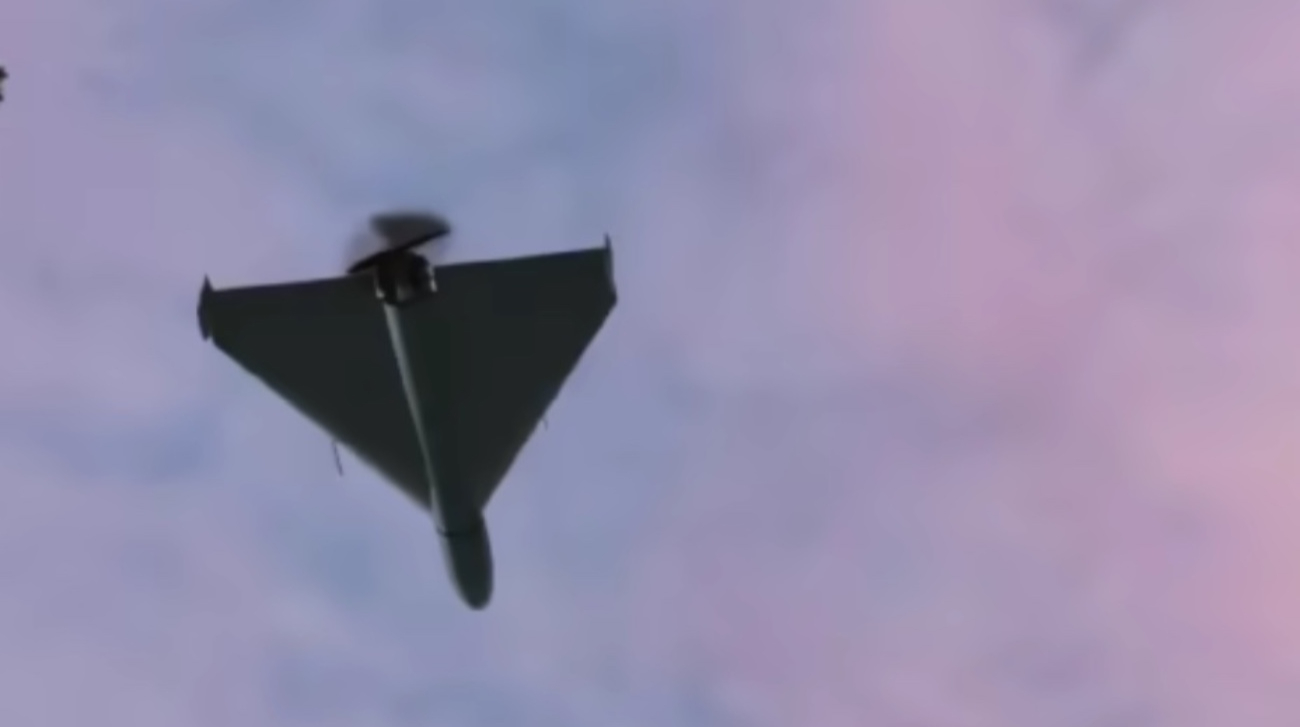
The U.S. Navy is expanding its use of unmanned surface and undersea vehicles but currently lacks a formal framework for maintaining these platforms in overseas locations.
Key facts
- •The Navy aims to field 39 unmanned surface vehicles in 2027 and at least 30 in the Indo-Pacific by 2030.
- •The Theodore Roosevelt Carrier Strike Group is scheduled to deploy with a medium-sized unmanned surface vehicle this year.
- •Unmanned systems require routine maintenance such as cleaning barnacles and algae from underwater surfaces to maintain performance.
- •Large forward bases like those in Yokosuka and Guam are considered vulnerable to potential adversary strikes.
- •The Navy is exploring potential repair partnerships in countries including Vietnam, Indonesia, Australia, and Papua New Guinea.
As the U.S. Navy integrates more unmanned surface and undersea vehicles into its fleet, it faces significant challenges regarding forward-deployed maintenance. While the service plans to field at least 30 unmanned surface vehicles in the Indo-Pacific by 2030, it currently lacks a logistical and legal framework to repair these systems outside of the continental United States. Experts argue that without a deliberate sustainment plan, these high-tech assets risk becoming operationally irrelevant.
By the numbers
Maintenance Realities of Unmanned Systems
Unlike small tactical drones, medium and large unmanned platforms require regular maintenance similar to manned warships, including oil filter changes, gasket replacements, and sensor calibration. Because these systems lack an onboard crew to perform repairs, they must be brought to ports for service. Returning to the United States for repairs is often time-prohibitive, and relying solely on large, centralized bases like Yokosuka or Guam presents security risks due to their vulnerability to missile and drone strikes.
Legal and Logistical Hurdles
Operating unmanned systems in foreign ports involves complex legal and logistical obstacles. Many nations do not recognize unmanned systems as having the same sovereign immunity as manned warships, which can lead to regulatory challenges regarding territorial transit and port access. Furthermore, the Navy must navigate local customs and visa requirements to move specialized technicians and parts into diverse, often remote locations.
Proposed Distributed Sustainment Strategy
To improve resilience, the Navy is encouraged to adopt a distributed network of smaller, austere ports for maintenance. Potential locations include HMAS Cairns in Australia, Lombrum Naval Base in Papua New Guinea, and various commercial shipyards in Vietnam and Indonesia. Establishing these hubs would require the Navy to develop expeditionary logistics and security capabilities to support unmanned platforms in regions beyond the primary range of adversary missiles.
Advertisement
This article was independently rewritten by ManyPress editorial AI from reporting originally published by War on the Rocks.