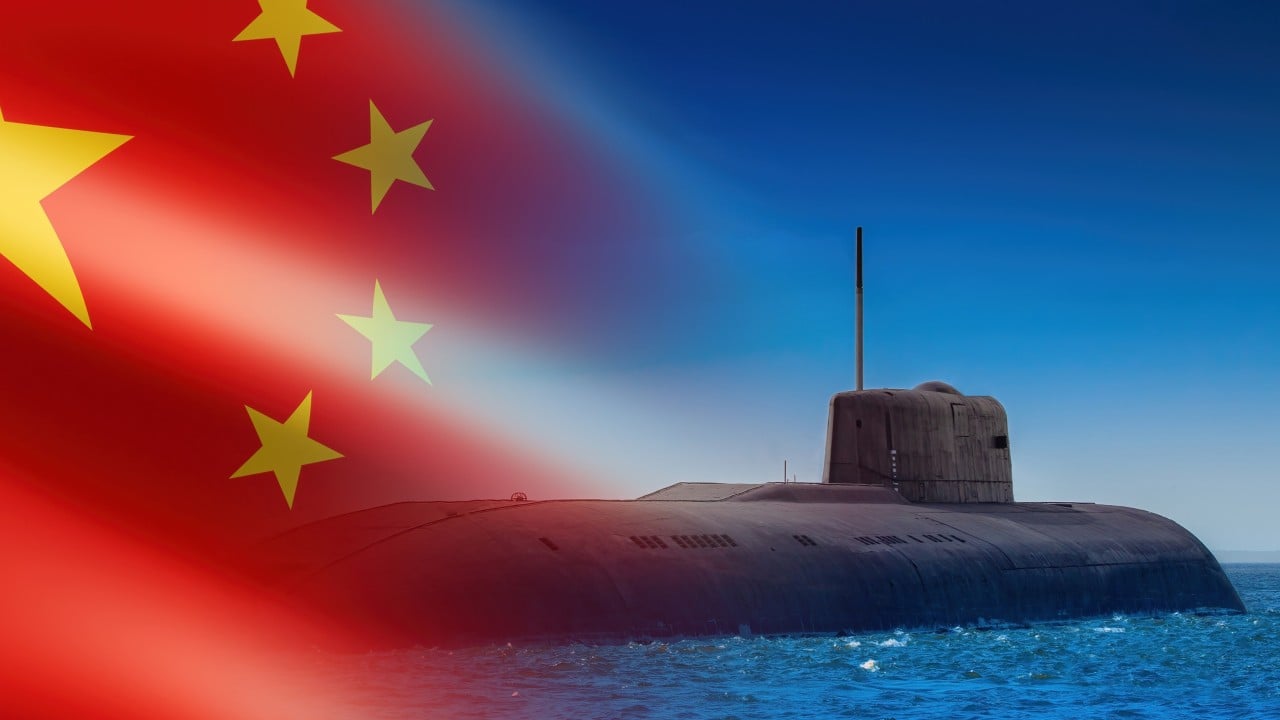
The U.S. military concluded its 13th night of strikes against Iran, while Bahrain issued shelter warnings and oil prices surged past $100 per barrel.

Key facts
- •The U.S. military concluded its 13th night of strikes against Iran on July 24, 2026.
- •Iranian state media reported four deaths and nine injuries resulting from the U.S. missile attacks.
- •Brent crude oil prices spiked over 6% to reach $100 per barrel.
- •Houthi rebels threatened to disrupt the Bab el-Mandeb Strait, which handles 25% of global container traffic.
- •President Trump stated that U.S.-held Iranian funds would be used to pay for damages to ships and cargo.
The U.S. military completed its 13th night of strikes against Iran on Friday, July 24, 2026, aimed at degrading the country's ability to threaten commercial shipping. The operation concluded shortly before 5 a.m. local time, hours before Bahrain activated sirens to warn residents of incoming fire. The ongoing conflict, centered on control of the Strait of Hormuz, has triggered broader regional instability and a significant spike in international oil prices.
By the numbers
Casualties and Military Targets
Iranian state media reported that four people were killed and nine injured during the bombardment. Reported strikes hit various locations, including the outskirts of Ahvaz, Lorestan province, and the port city of Bandar Abbas. Additional blasts occurred on Qeshm Island, which houses naval assets such as drone boats, and in Isfahan province, the site of a major air base and a nuclear facility.
Economic Impact and Houthi Involvement
The conflict has expanded to the Red Sea, where Iran-backed Houthi rebels claimed to have targeted two Saudi oil tankers. This development threatens the Bab el-Mandeb Strait, a critical chokepoint for 12% of global trade. As a result of the disruptions, Brent crude oil prices rose more than 6% to approximately $100 a barrel, the highest level since May.
Diplomatic and Legal Tensions
Iraqi Prime Minister Ali al-Zaidi visited Tehran on July 23 to advocate for peace, promising that Iraqi territory would not be used for attacks on Iran. Meanwhile, President Donald Trump announced plans to use sanctioned Iranian funds held by the U.S. to cover damages to ships and cargo. Iranian Foreign Minister Abbas Araghchi condemned the proposal, warning that such actions could lead to global financial instability.
Timeline
- July 23, 2026Iraqi Prime Minister Ali al-Zaidi visited Tehran to call for peace.
- July 24, 2026U.S. strikes against Iran concluded shortly before 5 a.m.
- July 24, 2026Bahrain activated sirens early in the morning to warn residents of incoming fire.
Advertisement
This article was independently rewritten by ManyPress editorial AI from reporting originally published by The Hindu.