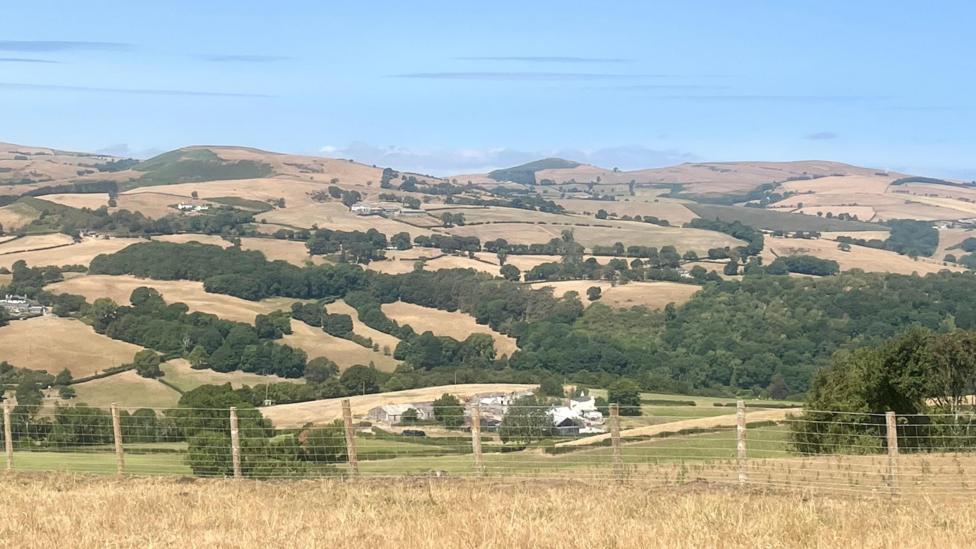
Wales is experiencing severe water shortages in its river systems, with officials warning of an imminent environmental drought declaration following a period of minimal rainfall.
Key facts
- •Wales has received only about 5% of the average rainfall expected for July.
- •Rivers including the Clwyd, Alwen, Alyn, Clywedog, Dyfi, Conwy, and Wye are currently classed as exceptionally low.
- •Water temperatures in the Wye and Usk rivers have reached as high as 28C.
- •Welsh Water has already enacted a hosepipe ban affecting 33,000 properties in west Wales.
- •An environmental drought declaration focuses on the health of ecosystems and wildlife rather than drinking water supplies.
River levels across Wales are approaching all-time lows as the country faces an imminent declaration of an environmental drought. The situation follows a series of back-to-back heatwaves and a period of significantly below-average rainfall between April and June, with July seeing only 5% of its typical precipitation. Natural Resources Wales (NRW) is expected to make a formal announcement regarding the environmental drought status later on Thursday.
By the numbers
Impact on Ecosystems and Wildlife
The environmental drought is characterized by critically low river flows, diminished reservoir reserves, and exceptionally low groundwater levels. Afonydd Cymru, which represents Wales' rivers trusts, reports that these conditions are causing significant harm to aquatic life, including fish deaths and increased water temperatures, with readings as high as 28C recorded in the Wye and Usk rivers. The lack of water is also exacerbating existing water quality issues caused by pollution.
Agricultural and Operational Pressures
Farming unions report that the dry, hot conditions are forcing early crop harvesting and reducing yields, while livestock farmers face pressure as their own water sources, such as streams and springs, dry up. Separately, Welsh Water has implemented a hosepipe ban for 33,000 properties in west Wales. The company clarified that its operational measures are based on local water demand and treatment capacity, which differ from the environmental drought status monitored by NRW.
Advertisement
This article was independently rewritten by ManyPress editorial AI from reporting originally published by BBC Science & Environment.