Water scarcity is intensifying farmer-herder conflicts and security risks in Africa's Sahel region.
Key facts
- •Water scarcity acts as a catalyst for conflict when combined with climate change, migration, and industrial demands.
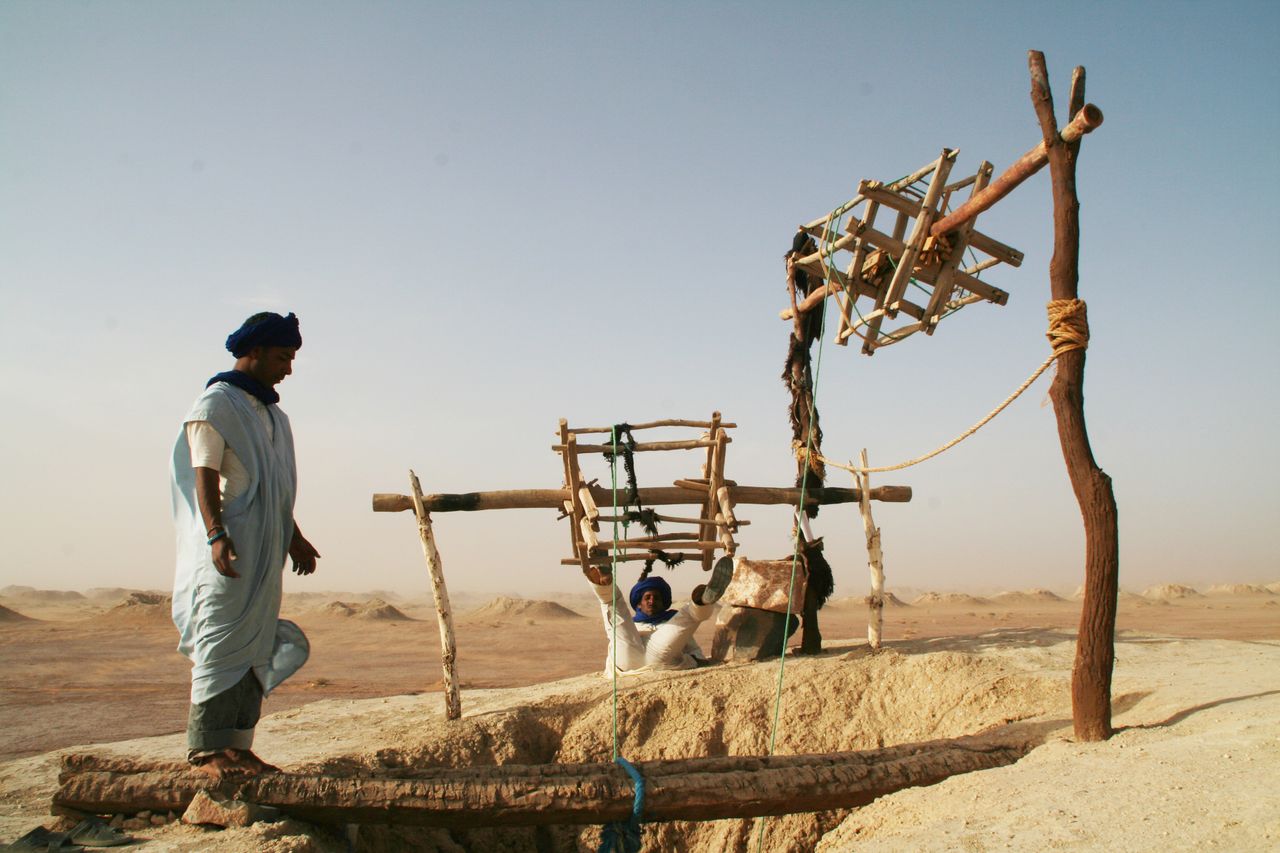
- •The Sahel region faces severe climate pressures including desertification and drought.
- •More than 15,000 people have been killed in the Sahel and nearby regions since 2010.
- •Extremist organizations in the Sahel may weaponize water by controlling wells or taxing access.
- •Insecurity in the region obstructs water policy implementation and infrastructure maintenance.
Water scarcity acts as a catalyst for conflict, particularly when combined with climate change, population growth, and agricultural demands. In Africa's Sahel region, these pressures are exacerbating existing tensions and security challenges. Experts note that while water disputes are a risk, they are often intertwined with tribal, sectarian, and ethnic divisions.
Impact on the Sahel Region
The Sahel, a semi-arid belt stretching from the Atlantic to the Red Sea, is experiencing severe drought and desertification. These environmental factors have degraded pasture and reduced water access, which in turn has intensified conflicts between farmers and herders by disrupting traditional migration routes. Since 2010, more than 15,000 people have been killed in the Sahel and surrounding areas due to these and related pressures. Violent extremist groups are increasingly active in the region and may weaponize water resources. Tactics include controlling wells, taxing access, and denying water supplies to specific communities. This ongoing insecurity prevents the implementation of effective water policies and hinders infrastructure maintenance and conflict resolution efforts.
Advertisement
This article was independently rewritten by ManyPress editorial AI from reporting originally published by War on the Rocks.