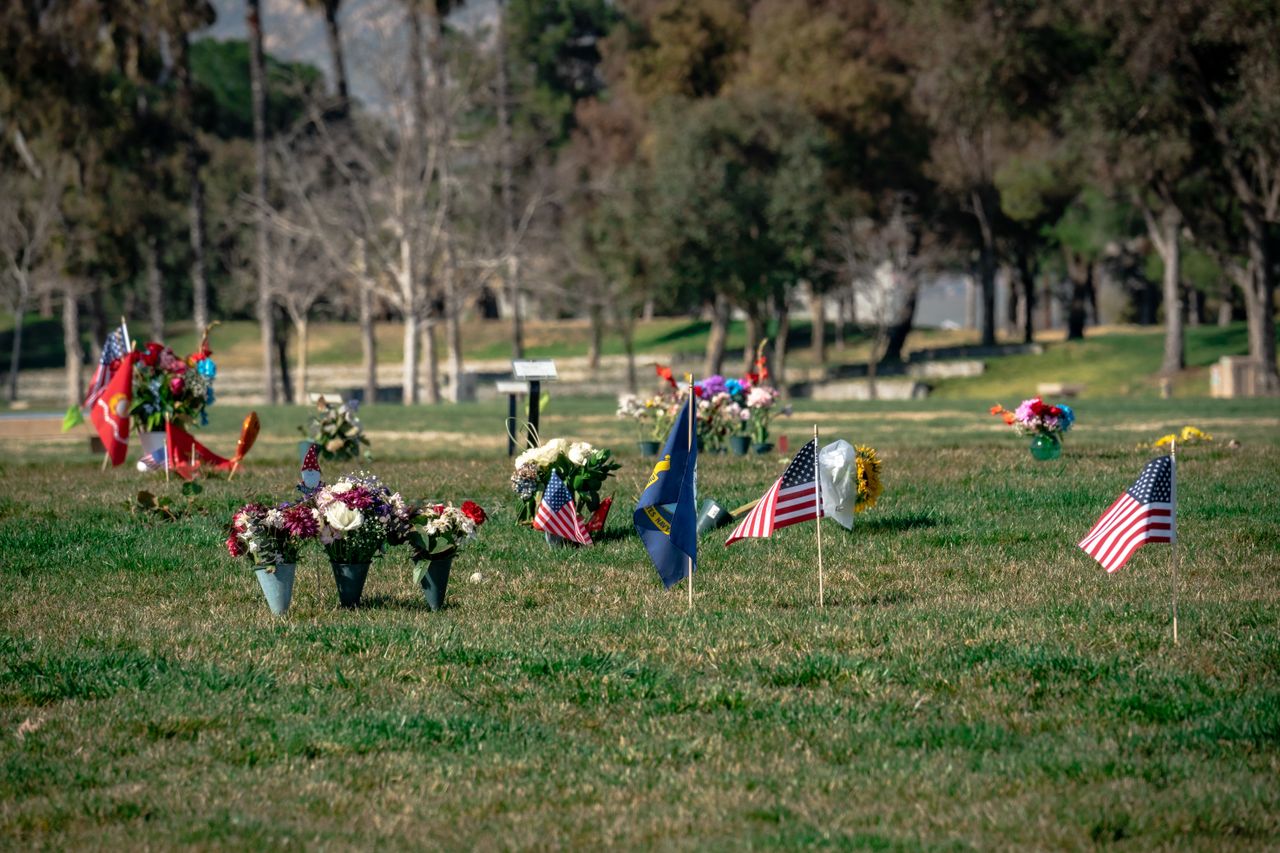
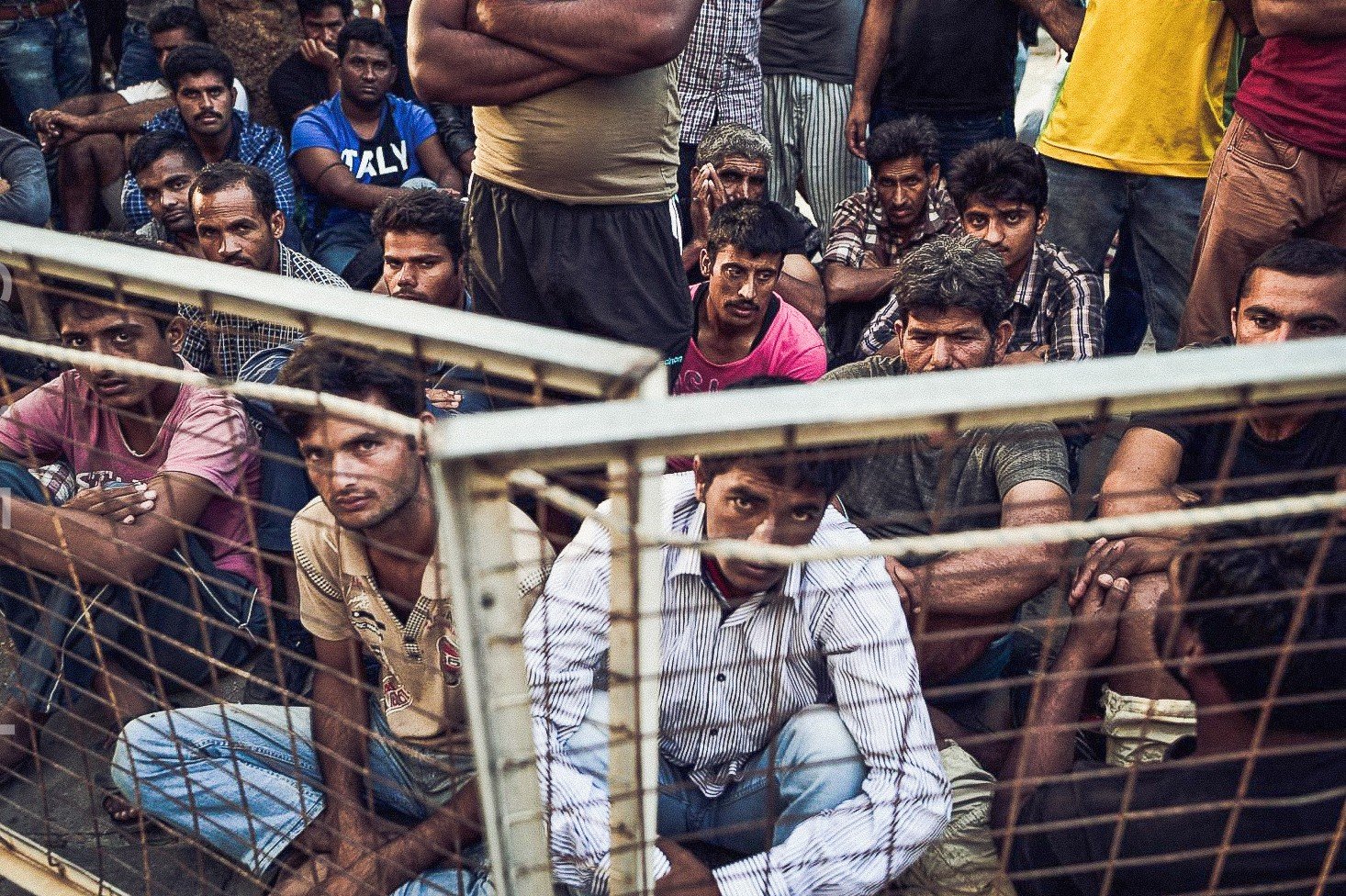
Addressing the violent legacy of the 1990s remains a critical, unresolved hurdle for Western Balkan nations seeking European Union membership.
Key facts
- •The European Council declared in July 2003 that the future of the Balkans lies within the European Union.
- •Slovenia joined the EU in 2004, followed by Croatia in 2013, but enlargement for other regional states has since stalled.
- •The Coalition for RECOM, founded on October 28, 2008, in Pristina, represents over 2,000 non-governmental organizations.
- •Unresolved war legacies and incomplete reconciliation are cited as factors undermining institutional trust and increasing emigration in the region.
- •The Berlin Process acknowledges the importance of the past but currently lacks binding reconciliation benchmarks in its enlargement framework.
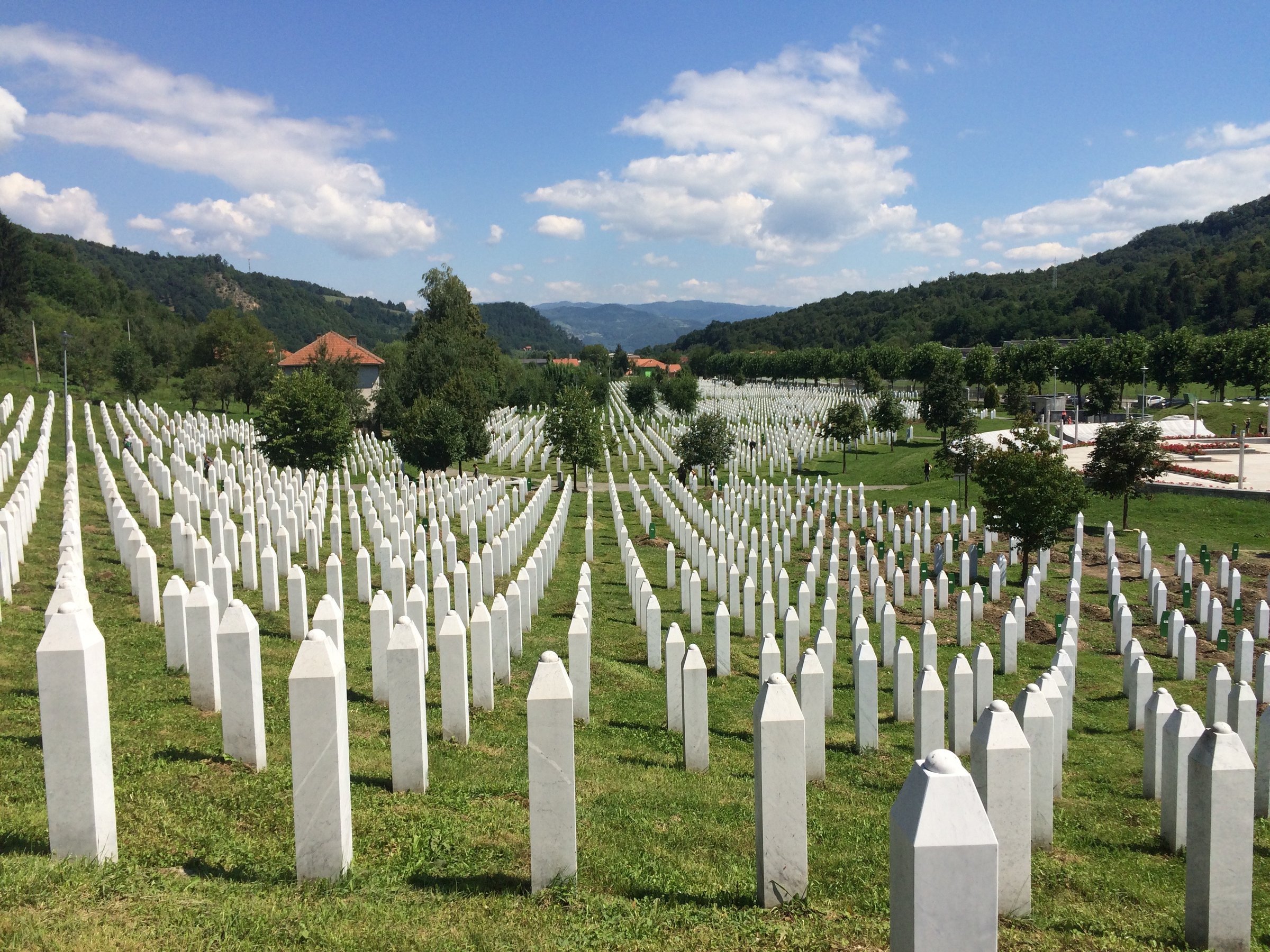
The Western Balkan region, comprising Albania, Bosnia and Herzegovina, Croatia, Slovenia, Kosovo, Macedonia, Montenegro, and Serbia, faces significant challenges in its path toward European Union integration. While the European Council committed to the region's future in the EU at the 2003 Thessaloniki Summit, progress has stalled following the accessions of Slovenia in 2004 and Croatia in 2013. A primary obstacle is the failure to reconcile with the violent history of the 1990s.
By the numbers
The Role of Transitional Justice
Dealing with the past is a formal requirement for EU membership, often framed through 'good neighbourhood' policies and the normalization of relations. The Stabilisation and Association Process mandates cooperation with the International Criminal Tribunal for the former Yugoslavia (ICTY), the protection of minority rights, and the return of refugees. However, critics argue that EU conditionality has focused too heavily on political leadership and judicial mechanisms, often neglecting civil society organizations and grassroots reconciliation efforts.
Civil Society and Regional Initiatives
Initiatives like RECOM, a coalition established in 2008 to document war crimes and human rights violations on former Yugoslavian territory, highlight the importance of local, fact-based reconciliation. Despite the work of such groups, an ongoing 'memory war' persists, characterized by nationalistic discourse and contested historical interpretations. Experts suggest that future EU strategies must move beyond technical criteria to support educational incentives and youth programs that foster shared memorialization.
Timeline
- July 2003The European Council declared at the Thessaloniki Summit that the future of the Balkans is in the EU.
- 2004Slovenia acceded to the European Union.
- 28 October 2008The Coalition for RECOM was established in Pristina.
- 2013Croatia acceded to the European Union.
Advertisement
This article was independently rewritten by ManyPress editorial AI from reporting originally published by EUobserver.