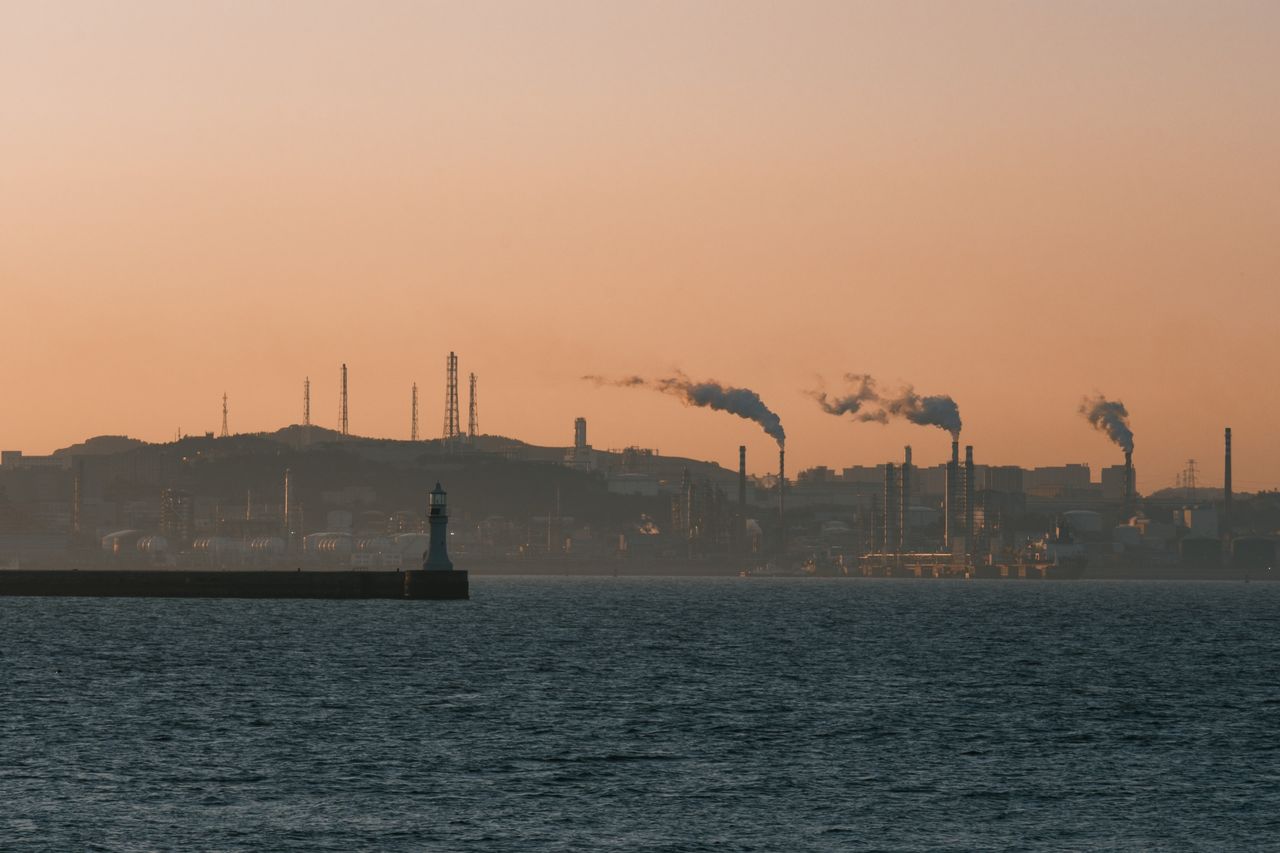
Wildfire smoke from Canada and Minnesota is triggering hazardous air quality alerts, with experts warning of long-term health impacts and providing guidance on how to limit exposure.
Key facts
- •Detroit recorded an AQI of 435 on Friday morning, the highest for any major city globally at that time.
- •Wildfire smoke exposure is linked to increased risks of lung cancer and cardiovascular disease in firefighters.
- •Children are considered especially vulnerable because they inhale more air relative to their body size.
- •The AQI scale is used to track air quality, with levels under 50 generally considered acceptable.
- •Climate change is identified as a factor increasing the frequency and intensity of wildfires across the U.S.
Wildfire smoke from Canada and Minnesota has prompted air quality alerts across the Northeast, Mid-Atlantic, and Upper Midwest. As smoke levels reach hazardous thresholds, experts warn that the fine particulate matter poses serious health risks, with some air quality index levels in major cities reaching record-breaking highs.
By the numbers
Health Risks of Smoke Exposure
Pulmonologist May-Lin Wilgus notes that breathing wildfire smoke is comparable to smoking cigarettes. When air quality index (AQI) levels reach between 100 and 200, the exposure to fine particulate matter is similar to smoking a quarter to half a pack of cigarettes daily. This exposure is particularly dangerous for children, older adults, pregnant individuals, and those with preexisting respiratory or cardiovascular conditions. Research indicates that wildfire smoke can lead to increased emergency room visits for asthma and COPD. During the 2023 Canadian wildfires, asthma-related emergency visits rose by nearly 20%. Beyond immediate respiratory distress, experts suggest links to long-term health issues, including higher risks of dementia, preterm birth, and lower birth weights.
Toxic Composition and Protective Measures
Wildfire smoke is described as a 'toxic soup' because it contains not only burned organic matter but also synthetic materials from homes and vehicles. Because wildfire ash can be more toxic than other forms of pollution like car exhaust, experts emphasize that no level of exposure is entirely safe. To mitigate risks, experts recommend limiting outdoor activity when smoke is present. If staying indoors, residents should keep windows closed and use air filters. If going outside is necessary, wearing a properly fitted N95 mask can help block fine particles. The primary goal is to limit the 'dose' of smoke inhaled.
Timeline
- 2023Canadian wildfires caused smoke to drift across much of the U.S.
- WednesdayMichigan issued a statewide air quality advisory.
- FridayAir quality alerts were issued across the Northeast, Mid-Atlantic, and Upper Midwest.
Advertisement
This article was independently rewritten by ManyPress editorial AI from reporting originally published by NPR Health.