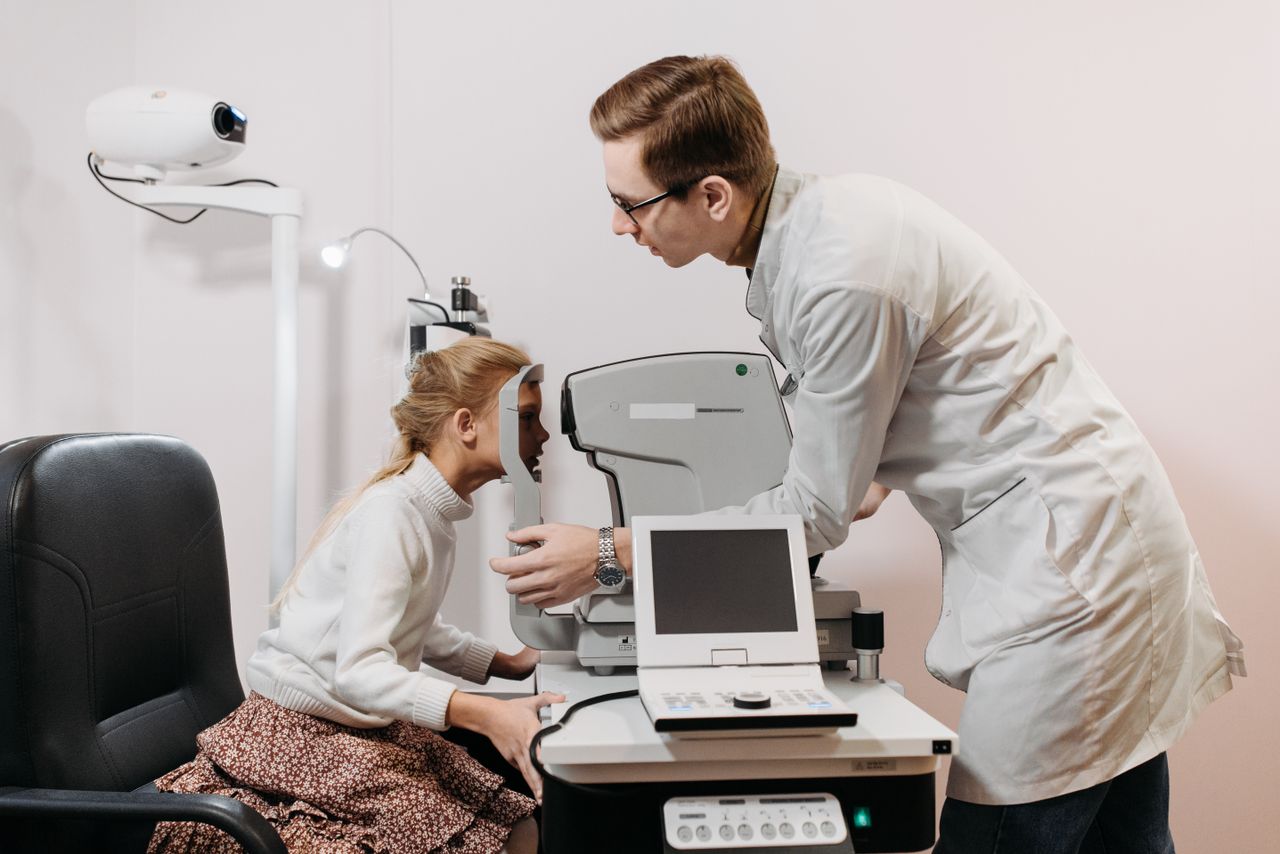
A Tanzanian trial found AI-supported diabetic retinopathy screening led to higher specialist attendance and faster referrals than standard methods.
Key facts
- •The trial included 2,378 people attending a diabetic eye screening program across 24 hospitals in Tanzania.
- •35.9% of AI-screened patients attended specialist clinics within eight weeks, compared to 18.2% of standard-screened patients.
- •AI-screened patients attended specialist care an average of 10.9 days after screening, versus 36.9 days for the standard group.
- •The study was published in The Lancet Global Health by researchers from the London School of Hygiene & Tropical Medicine.
- •An estimated 44–82 million people are projected to be at risk of sight loss from diabetic retinopathy by 2045.
Research from the London School of Hygiene & Tropical Medicine (LSHTM) indicates that AI-supported screening for diabetic retinopathy significantly improves access to specialist care. In a trial involving 2,378 participants across 24 hospitals in Tanzania, individuals receiving AI-assisted screening were nearly twice as likely to attend follow-up appointments as those using standard screening methods.
By the numbers
Trial Results and Timelines
Among participants with diabetic retinopathy requiring referral, 35.9% of those in the AI-supported group attended a specialist clinic within eight weeks. This compared to 18.2% of participants in the standard screening group. Additionally, those who received AI screening attended specialist care an average of 10.9 days after the initial screening, whereas the standard group waited an average of 36.9 days.
Mechanism of Improvement
The study attributes the difference to how results were delivered. In the AI pathway, patients received immediate results, enabling face-to-face counseling from health care workers at the point of screening. In the standard pathway, retinal images were assessed by a health care worker at a nearby hospital, with results and counseling provided weeks later over the phone.
Future Implementation
The Tanzanian Ministry of Health, a collaborator on the study, has committed to integrating AI diagnostics into diabetic eye screening programs in multiple regions. The authors note that while AI can improve access, it must be accompanied by better access to specialist clinics and treatments to effectively prevent vision loss.
Advertisement
This article was independently rewritten by ManyPress editorial AI from reporting originally published by Medical Xpress.