Researchers have discovered that 5,000-year-old peat deposits off the coast of Mozambique now serve as thriving marine ecosystems comparable to coral reefs.
Key facts
- •The study is believed to be the first ecological analysis of tropical peat reefs worldwide.
- •Peat samples were dated to between 300 and 5,000 years old.
- •The BCSS Ocean Observatory monitors an area of approximately 6,850 square kilometers in the Bazaruto Archipelago.
- •Peat reefs host 26 to 36 small fish species per site, comparable to coral reef diversity.
- •Researchers are investigating whether these reefs function as long-term legacy carbon stores.
Researchers from the Bazaruto Center for Scientific Studies (BCSS) Ocean Observatory have identified ancient, submerged peat reefs in the Bazaruto Archipelago. These formations, which originated as coastal forests thousands of years ago, were exposed by rising sea levels and shifting sands. The study, published in Scientific Reports, reveals that these peat structures now host diverse marine life, functioning as significant biodiversity hotspots in the western Indian Ocean.
By the numbers
Ecological Role of Peat Reefs
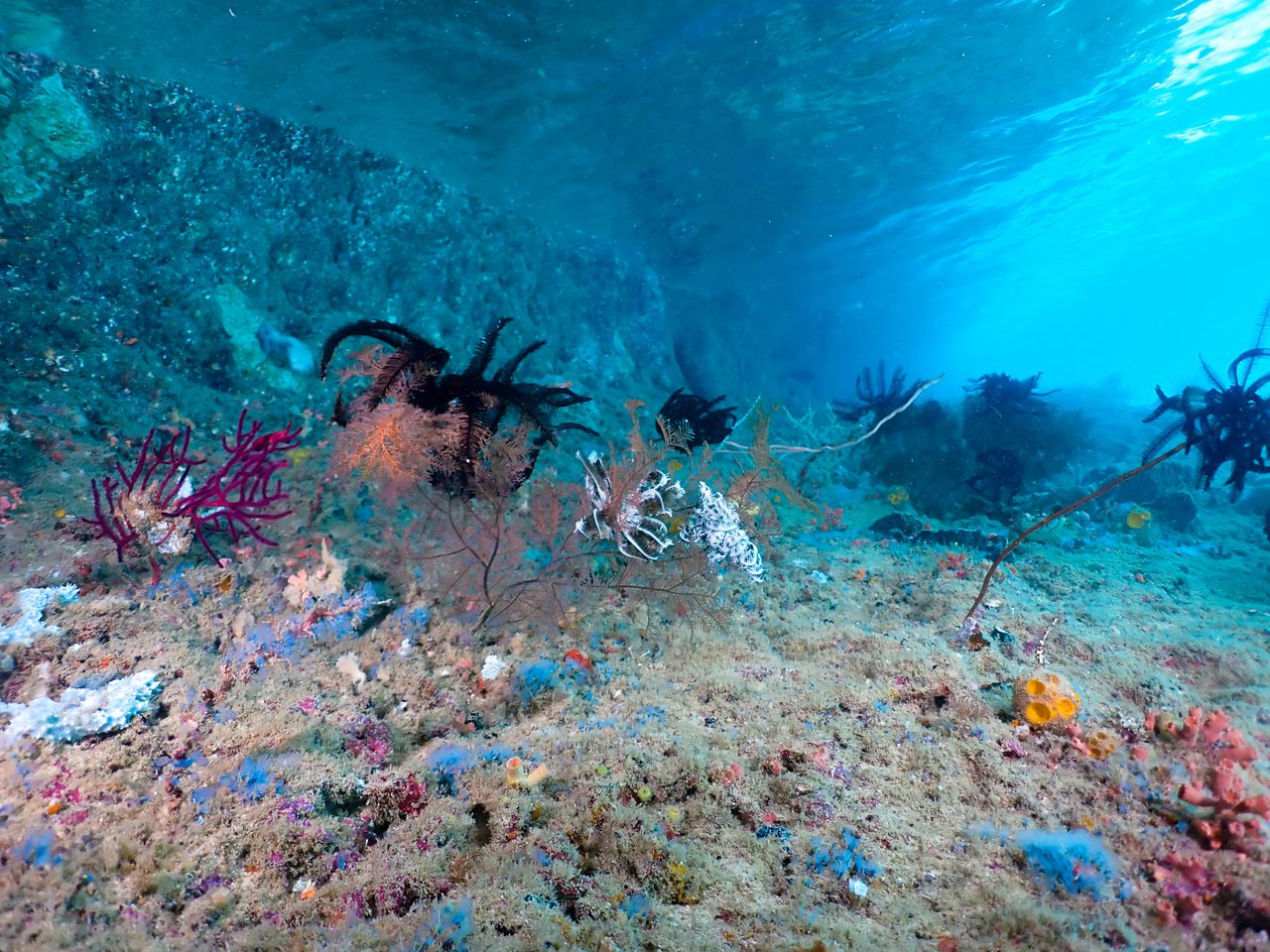
The reefs consist of compressed, carbon-rich remains of ancient coastal swamps. Despite lacking living coral, these platforms support a variety of marine life, including seagrass, seaweeds, spiny lobsters, and juvenile fish. Researchers found that each peat reef supports between 26 and 36 small fish species, a level of diversity comparable to nearby coral reefs. Larger animals, such as sharks, rays, and turtles, were also recorded at these sites.
Carbon Storage and Future Research
Radiocarbon dating indicates the peat formed between 300 and 5,000 years ago, with some samples containing up to 40% organic carbon by dry weight. While these deposits represent a potential legacy carbon store, their current role in carbon cycling remains unclear. Scientists are working to determine whether these systems are sequestering carbon or releasing it, and whether they should be classified as 'blue carbon' habitats alongside mangroves and seagrass.
Environmental Resilience
Located in shallow waters 2 to 4 meters deep, these reefs endure significant environmental stress, including daily temperature fluctuations between 24.5 and 28.6°C and frequent exposure to storms and cyclones. Researchers suggest that as coral reefs decline, these overlooked peat habitats could provide essential refuge for marine species. The team advocates for the inclusion of these reefs in global coastal habitat mapping and conservation policies.
Advertisement
This article was independently rewritten by ManyPress editorial AI from reporting originally published by Phys.org.