Experts explain how record-breaking heat, drought, and El Niño conditions influence the timing and vibrancy of autumn leaf color changes.
Key facts
- •Day length is the primary driver of leaf color change, ensuring that foliage will occur regardless of annual weather fluctuations.
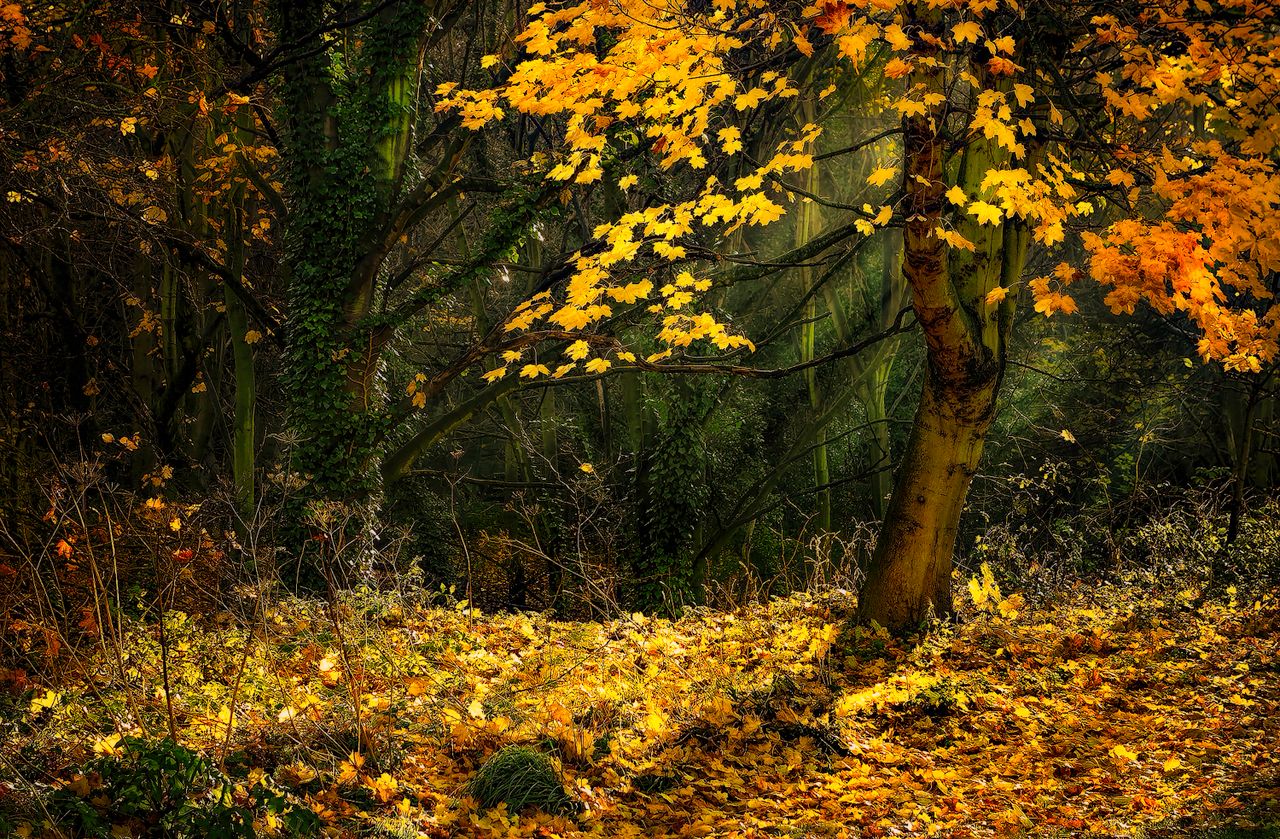
- •Trees reabsorb chlorophyll to conserve nutrients, which reveals yellow pigments in the leaves.
- •Maples produce anthocyanins, which create red pigments to protect the tree during the nutrient-absorption process.
- •Warmer temperatures and extreme weather can lead to later and less vibrant fall color displays.
- •Sugar maples are noted as being particularly sensitive to temperature changes.
As the fall foliage season begins, researchers are examining how extreme weather, including record-shattering heat and a significant El Niño event, affects the annual transition of tree leaves. While seasonal changes in sunlight remain the primary driver of leaf color, environmental stressors like drought and high temperatures can alter the timing and intensity of the display.
The Science of Leaf Coloration
Leaf color change is primarily triggered by decreasing day length as trees prepare for winter. To conserve nutrients, trees reduce photosynthesis and reabsorb chlorophyll, which reveals underlying yellow pigments. Some species, such as maples, produce anthocyanins to create red pigments that protect the tree during this nutrient-absorption phase.
Environmental Stress and Foliage
Extreme weather conditions can disrupt this natural process. Warmer evenings and extended growing seasons may result in later, less vibrant foliage. Additionally, stressors such as drought or heavy rainfall can cause trees to pull in chlorophyll more rapidly, which may dull the colors. Different tree species exhibit varying levels of sensitivity to these environmental changes.
Advertisement
This article was independently rewritten by ManyPress editorial AI from reporting originally published by Scientific American.