
New observations of the cosmic structure known as Treble Clef suggest it was formed by a supermassive black hole and later reinvigorated by a galactic collision.
Key facts
- •The Treble Clef structure spans approximately 2 million light-years.
- •The object was first examined in 2004 but remained unidentified until recent observations.
- •Data from the Chandra X-ray Observatory and eROSITA were used to analyze the structure.
- •The structure is believed to be a result of a supermassive black hole expulsion followed by a galactic cluster collision.
- •The object's visible light is hidden by the Milky Way Galaxy.
Astronomers have identified the origins of an unusual radio structure known as Treble Clef, which spans 2 million light-years. While its nature remained unknown following initial examinations in 2004, recent data from the Chandra X-ray Observatory and eROSITA suggest the structure was created by a supermassive black hole and later energized by a shock wave from colliding galaxy clusters.
Origins of the Treble Clef
The structure, cataloged as VLSS J0318.9+5755, is located behind the Milky Way, which obscures its visible light. Researchers hypothesize that the central cloud of charged particles was originally expelled by a supermassive black hole at the center of a galaxy. These particles likely faded before being reactivated by the energy released when two clusters of galaxies collided.
Observational Data
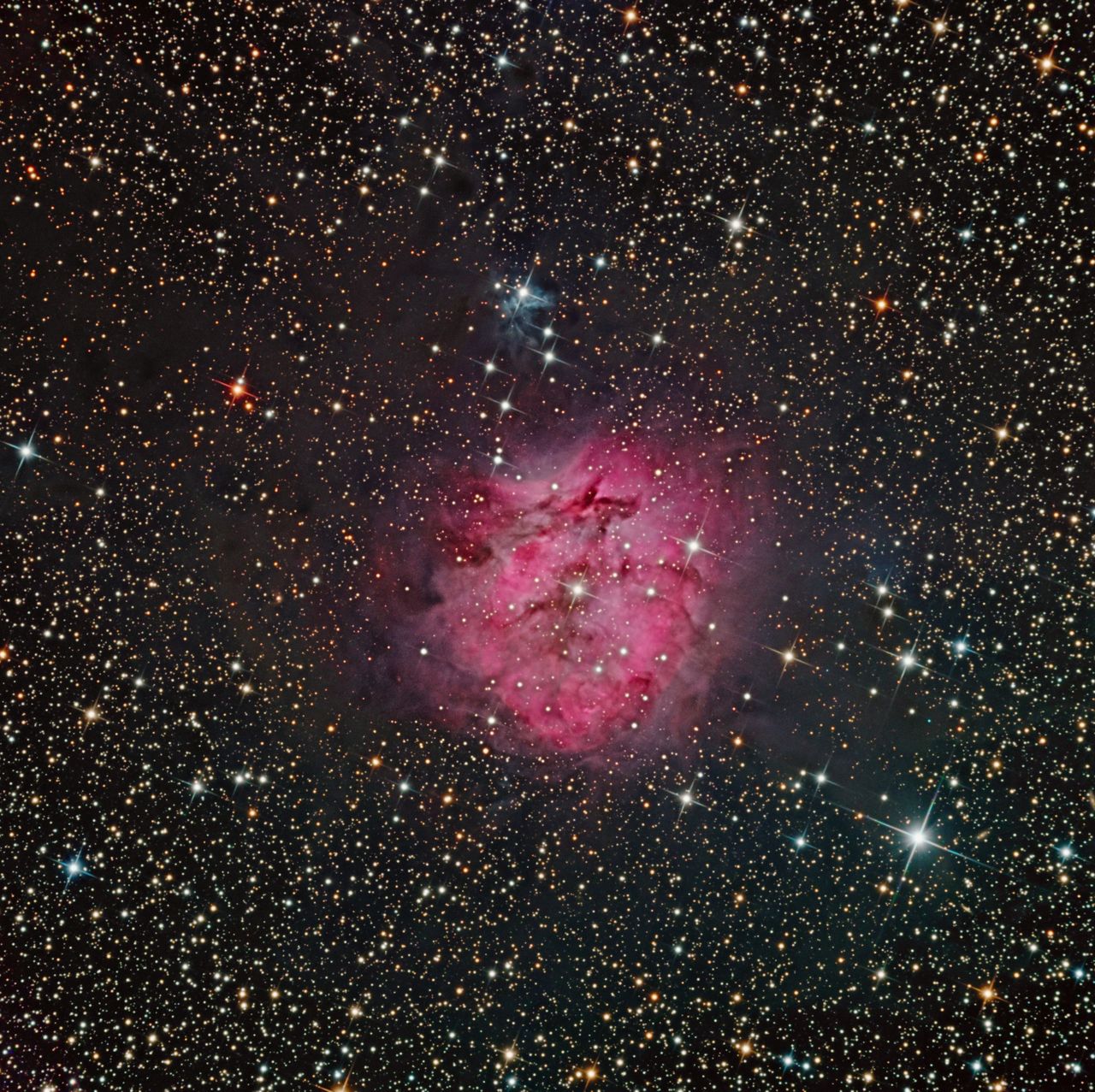
A new composite image of the object highlights the interaction between different energy sources, displaying radio emissions in red and recently discovered X-rays in blue. Scientists believe that studying unique objects like Treble Clef provides critical insights into how galaxy clusters interact and how the universe evolves over time.
Advertisement
This article was independently rewritten by ManyPress editorial AI from reporting originally published by NASA Breaking News.