A new study finds that Seattle's urban environment supports significantly higher coyote populations than rural areas in Washington state.
Key facts
- •The study identified 213 individual coyotes by analyzing 842 scat samples.
- •Urban coyotes have diets more than twice as diverse as those of wild coyotes.
- •The primary causes of death for urban coyotes are disease and vehicle collisions.
- •Researchers compared Seattle data to wild study areas near Winthrop and Chewelah.
- •Coyote density in Los Angeles is at least seven times higher than in surrounding wild areas.
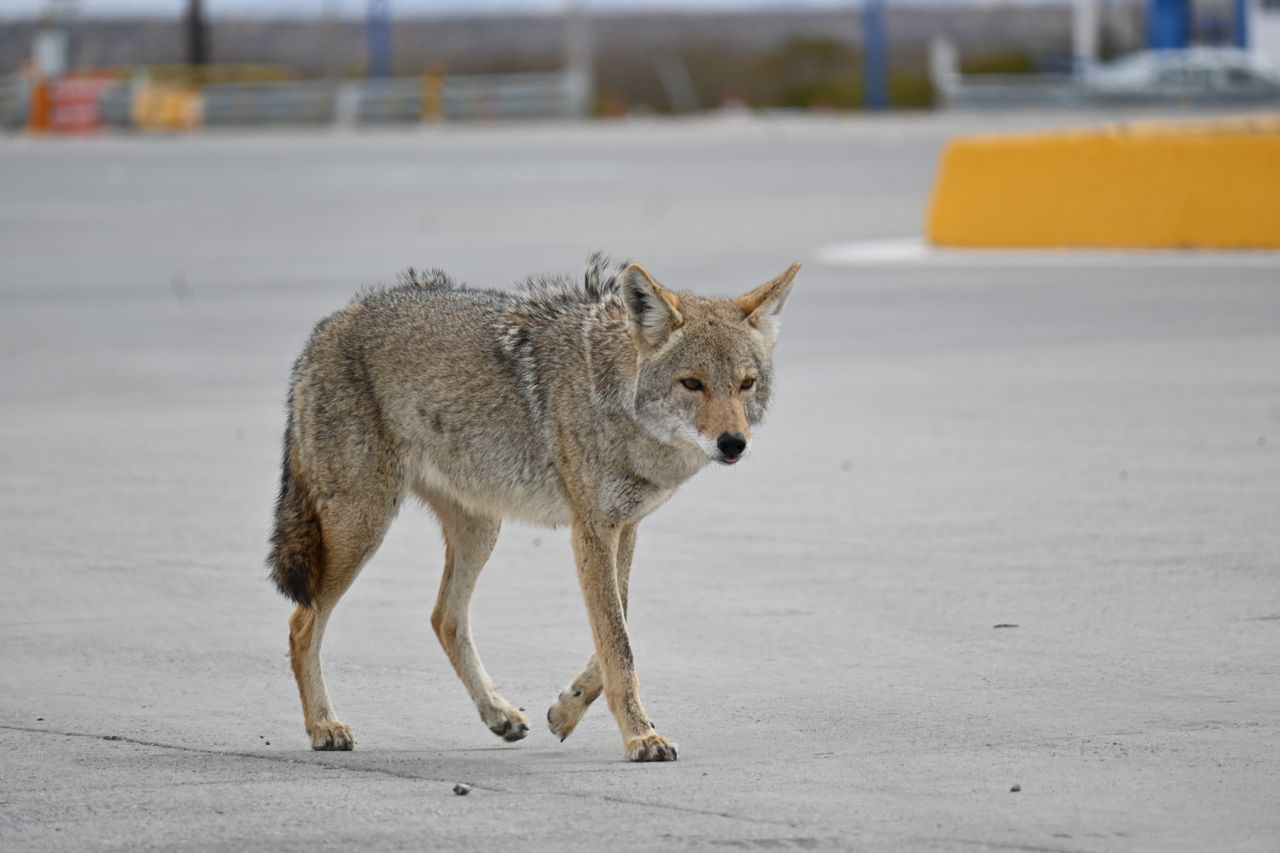
Research published September 10 in Environmental Research: Ecology reveals that coyote density in Seattle is nine times higher than in the state's wildlands. Lead author Laura Prugh, a professor at the University of Washington, noted that while coyotes are often perceived as wary of humans, urban settings provide ideal conditions for them to thrive. The study analyzed coyote scats collected from Seattle and rural study areas near Winthrop and Chewelah to calculate population density.
By the numbers
Factors influencing urban coyote populations
Researchers investigated various urban factors, including income levels, tree cover, and pollution, but found that human population density was the only significant influence on coyote presence. While higher human density within the city itself has a negative effect on coyote numbers, the overall population remains much higher in the city than in rural areas with fewer people. Urban coyotes benefit from a lack of larger predators, such as wolves and mountain lions, and face fewer threats from humans compared to rural coyotes. Dietary analysis showed that urban coyotes consume a more diverse range of food than their wild counterparts, though both groups primarily eat berries and rabbits. The abundance of rabbits in Seattle, described as a "bunny boom," may contribute to the high coyote population.
Coexisting with urban coyotes
Coyotes have become increasingly common in Seattle, with sightings reported during daylight hours. Residents have expressed concerns regarding potential threats to pets and aggressive behavior. Because coyotes are territorial, they often compete for space, which helps regulate their population in the absence of other predators. Researchers note that coyotes are highly resistant to control efforts and are likely to remain a permanent fixture in urban environments.
Advertisement
This article was independently rewritten by ManyPress editorial AI from reporting originally published by Phys.org.