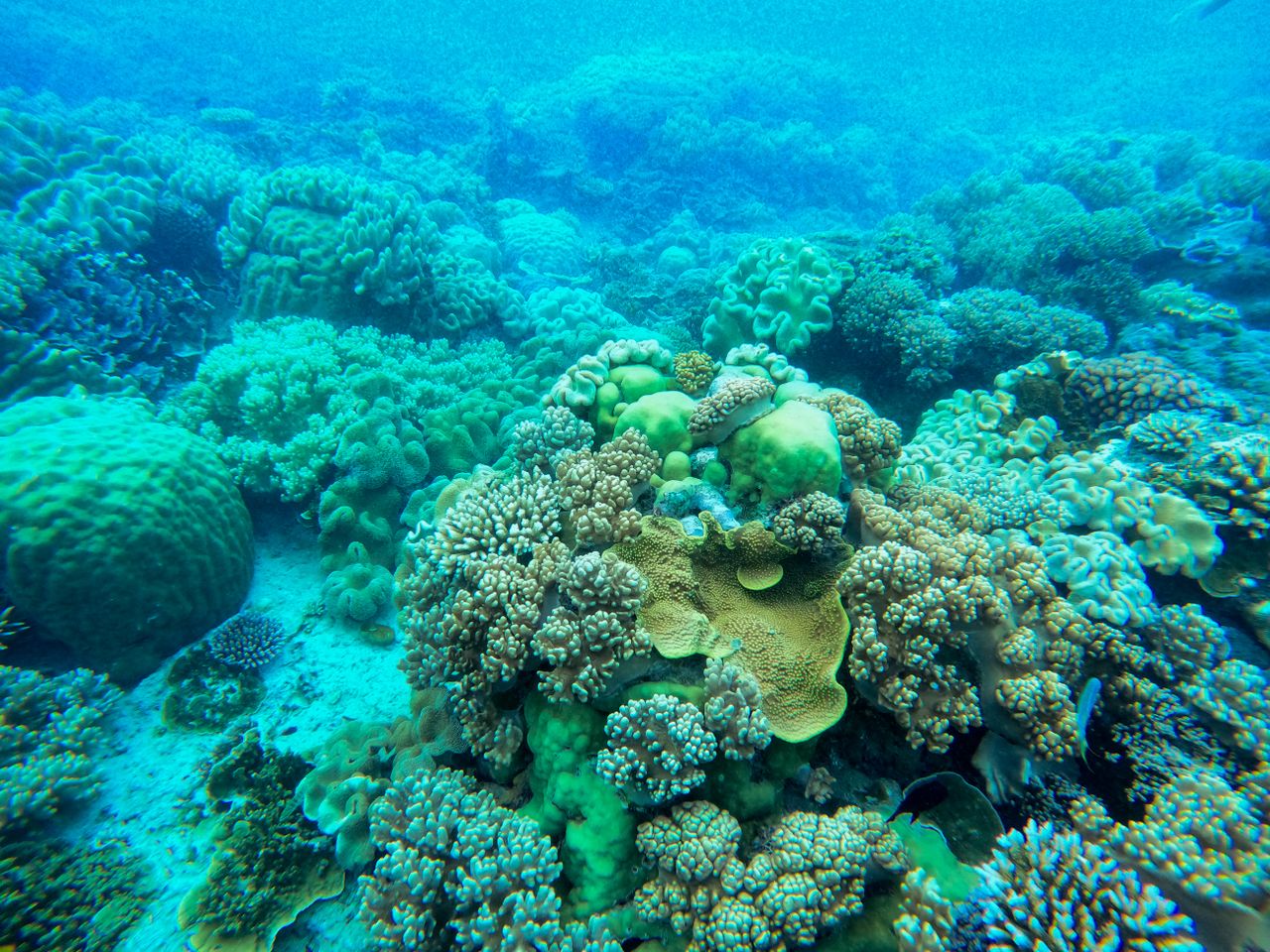
A study suggests that some dinosaurs and other coastal animals consumed marine plants washed ashore, similar to how modern coastal organisms rely on marine resources.
Key facts
- •The study analyzed fossilized teeth from the early Albian and early Cenomanian periods.
- •Researchers used carbon isotope analysis to track dietary sources in prehistoric ecosystems.
- •Higher δ 13 C values in coastal fossils suggest the consumption of marine-derived organic matter.
- •The Western Interior Seaway once divided North America into two landmasses approximately 100 million years ago.
- •The herbivorous dinosaur Tenontosaurus tilletti did not show evidence of marine resource consumption.
A new study published in Frontiers in Ecology and Evolution indicates that dinosaurs and their prey living along ancient North American coastlines likely supplemented their diets with marine matter. Researchers analyzed carbon isotope signatures in fossilized teeth from the Cretaceous period to identify evidence of marine subsidization. The findings suggest that coastal organisms consumed organic material from the ocean, such as seaweed, to supplement their nutritional intake.
Analyzing Carbon Isotope Fingerprints
Researchers examined fossils from sites along the Western Interior Seaway and the ancient Gulf of Mexico, comparing them to fossils from landlocked regions. By measuring the ratio of light and heavy carbon isotopes, known as δ 13 C, the team identified a distinct chemical fingerprint. Fossils from coastal sites consistently showed higher δ 13 C values than those from inland areas, regardless of the organism's latitude or the age of the fossil.
Identifying the Marine Food Source
The study suggests that the additional carbon source was likely low in the food chain, affecting both aquatic and terrestrial animals. Dr. Clayton Forster, the study's lead author, noted that marine macroalgae, or seaweed, is the most likely candidate given its availability and the behavior of modern coastal herbivores. However, the study found that not all dinosaurs relied on these resources; for instance, the herbivorous Tenontosaurus tilletti showed carbon signatures consistent with a strictly land-based diet.
Advertisement
This article was independently rewritten by ManyPress editorial AI from reporting originally published by Phys.org.