A study of 356 Black adults found that the DASH diet did not lead to dangerous potassium levels in patients taking hypertension medication.
Key facts
- •The study analyzed 356 Black adults in the Boston area with an average age of 53.
- •Participants had systolic blood pressure between 120 mm Hg and 150 mm Hg at the start of the study.
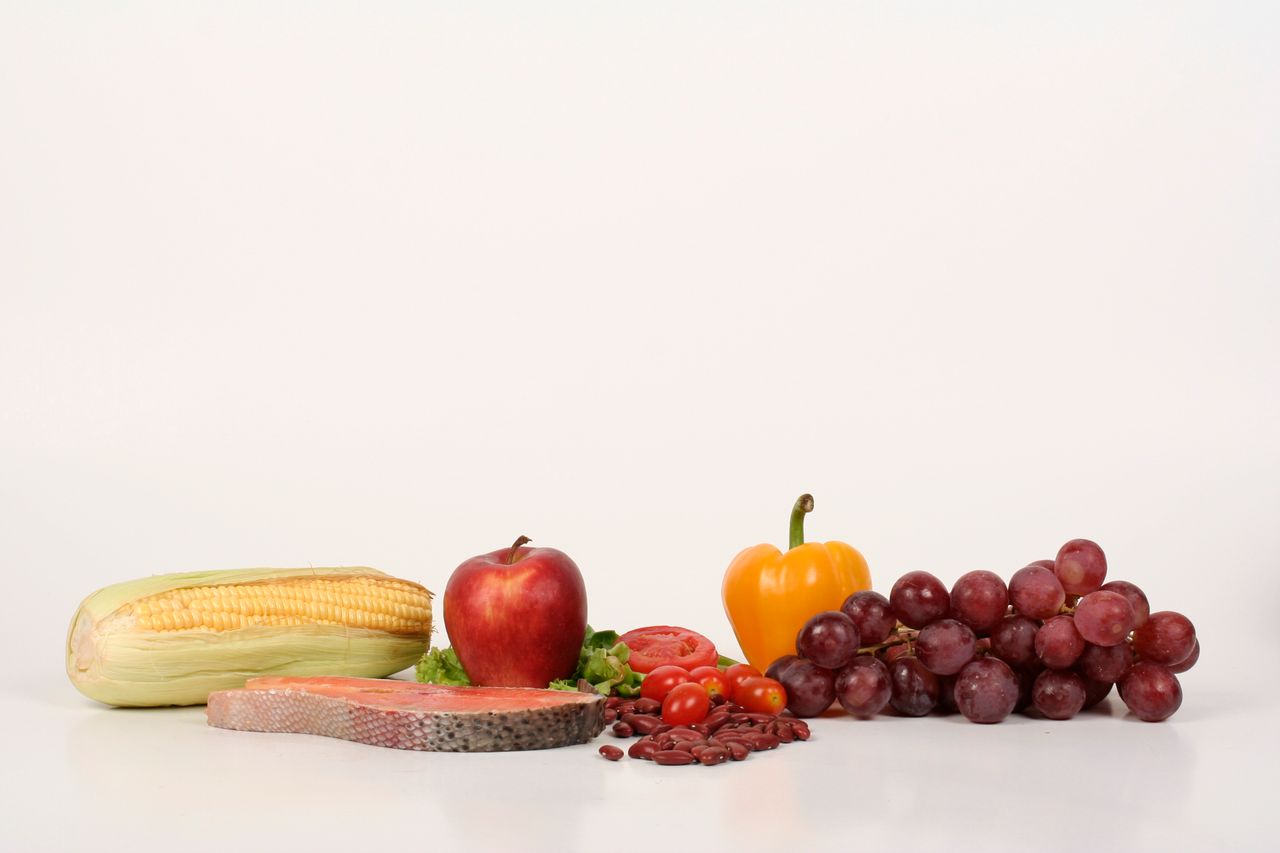
- •The DASH diet emphasizes fruits, vegetables, lean proteins, whole grains, and low-fat dairy while limiting red meat and salt.
- •High potassium levels can lead to hyperkalemia, which may cause heart rhythm issues.
- •The study results have not yet been published in a peer-reviewed journal.
A new study presented at the American Heart Association’s Hypertension Scientific Sessions 2026 indicates that the DASH diet does not significantly raise blood potassium levels in people taking high blood pressure medication. Researchers found no significant changes in kidney function among participants, suggesting the diet may be safe for those on medications that typically carry a risk of increasing potassium.
By the numbers
Study Details and Methodology
The research was a secondary analysis of the GoFresh and GoFresh Rx trials, which enrolled 356 Black adults in the Boston area with an average age of 53. Participants were divided into two groups: one received three months of DASH-patterned groceries and nutrition counseling, while the other received a cash stipend for groceries. Blood potassium levels were measured at the start of the study and again after 12 weeks.
Clinical Implications
Medical experts noted that while medications like ACE inhibitors and angiotensin receptor blockers are known to potentially raise serum potassium, the study suggests patients can likely adopt the DASH diet without significant concern. However, researchers cautioned that the study did not include individuals with stage 4 or 5 kidney disease or those with pre-existing elevated potassium levels, and the findings may not generalize to broader populations.
Recommendations for Adoption
Health experts recommend that individuals gradually integrate the DASH diet into their daily lives to ensure long-term success. Suggested strategies include slowly increasing fruit and vegetable servings, choosing products lower in sodium, and swapping refined grains for whole grains.
Advertisement
This article was independently rewritten by ManyPress editorial AI from reporting originally published by Healthline.