Patients and their families traveling to New Delhi for specialized medical treatment often sleep on sidewalks due to the high cost of local lodging.
Key facts
- •Families from across India, including Bihar and Madhya Pradesh, travel hundreds of miles to seek care at AIIMS and Safdarjung Hospital.
- •Many patients and caregivers sleep on sidewalks, in subways, or in public spaces for weeks or months while awaiting medical treatment.
- •The AIIMS Medical Social Service Unit lists assistance for travel and accommodation on its website, but the hospital did not respond to inquiries regarding the sidewalk dwellers.
- •Daily life for these families involves cooking on makeshift stoves and sharing information about medical tests and affordable food sources.
- •Some patients, such as 20-year-old Shalini Yadav, reported that the lack of secure housing has forced them to put their education and career plans on hold.
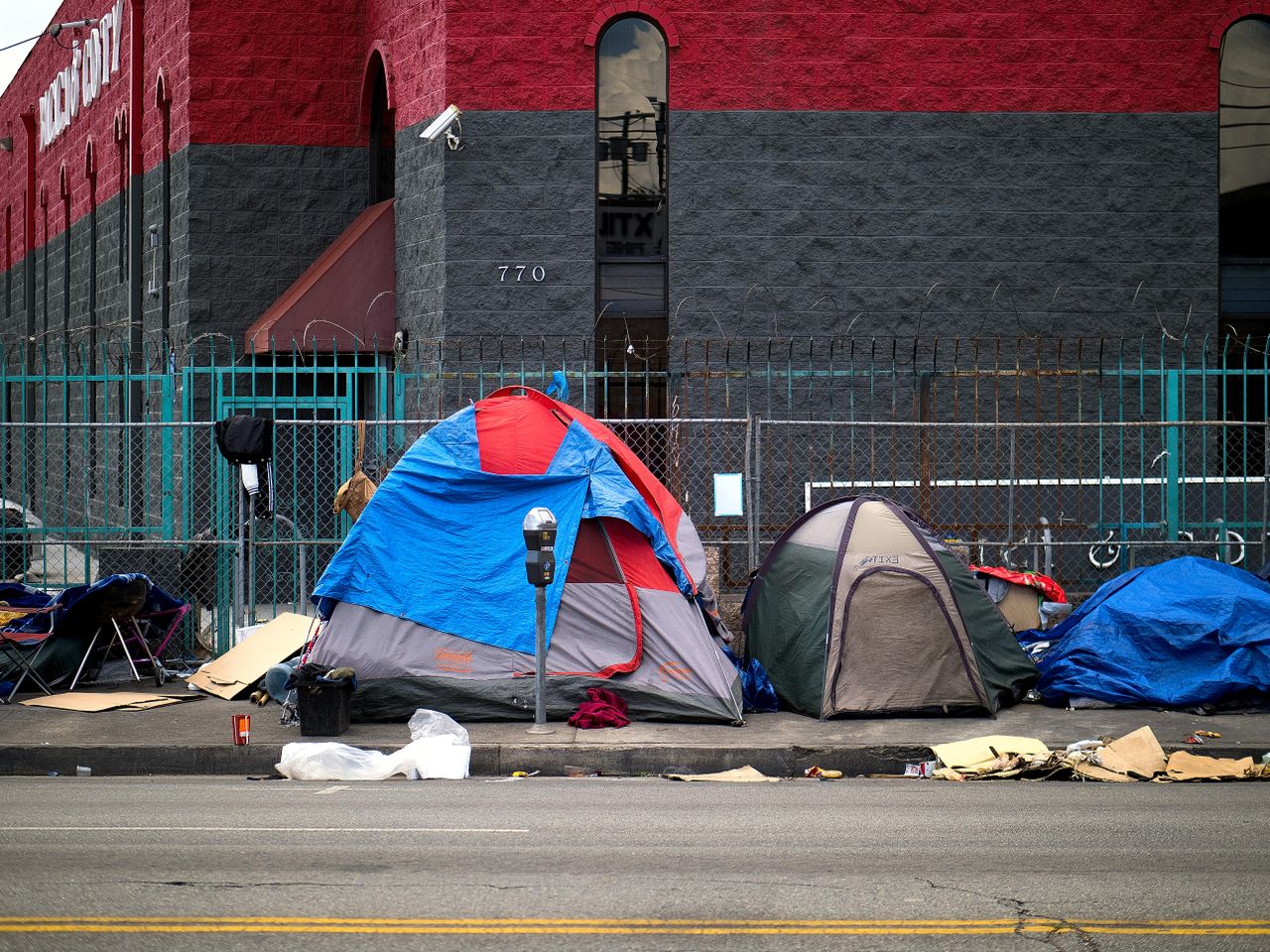
Families traveling from across India to seek care at the All India Institute of Medical Sciences (AIIMS) and Safdarjung Hospital in New Delhi are frequently forced to sleep on public sidewalks. Many patients and their relatives, unable to afford rental housing during weeks or months of treatment, establish temporary living spaces on the pavement. These families navigate daily medical appointments while managing their belongings and basic needs in public areas near the hospitals.
By the numbers
Daily Life on the Sidewalk
The sidewalk environment has developed into a small, informal community where families cook meals over makeshift brick stoves and share information about doctors and free food. Volunteers often provide meals, while nearby tea stalls allow families to charge mobile phones. Because of the lack of secure housing, families sleep in shifts to guard their belongings or to ensure they do not miss urgent medical calls regarding their hospitalized relatives. Conditions remain challenging, particularly during inclement weather. Families report difficulties with extreme heat and rain, as well as safety concerns at night due to the presence of individuals who use drugs or alcohol. For many, the financial burden of travel and medical expenses makes renting a room impossible, leaving the pavement as their only option while they wait for tests, consultations, or treatment plans.
Institutional Response and Support
While AIIMS states on its website that its Medical Social Service Unit provides financial assistance for travel and medical costs, and helps arrange accommodation at charitable facilities known as dharamshalas, many families remain on the street. The website does not specify if the hospital covers the cost of these lodgings. When contacted by email regarding the community of sidewalk dwellers and the lack of accommodations, AIIMS did not provide a response. Families interviewed, including those from Bihar, Madhya Pradesh, and Uttar Pradesh, often traveled hundreds of miles based on the reputation of these Delhi hospitals. Despite the availability of subsidized medical care, the secondary cost of living in the city for the duration of treatment remains a significant barrier for low-income patients.
Advertisement
This article was independently rewritten by ManyPress editorial AI from reporting originally published by NPR Health.