France and Germany have reached a joint agreement to tighten 'Made in Europe' criteria for electric vehicles, proposing to separate these rules from broader EU industrial legislation.
Key facts
- •The agreement requires 70 percent of a vehicle's value creation to occur in Europe by 2028.
- •Only vehicles meeting the new 'Made in Europe' criteria will be eligible for public subsidies or government leasing.
- •The deal was finalized by French and German leaders on the margins of an EU summit in Brussels on October 15.
- •The proposal includes a requirement for research and development to be based within the EU.
- •The plan involves a trade-off where Germany accepted stricter geographic rules in exchange for looser emission standards.
France and Germany have unveiled a joint position on European automotive policy that introduces stricter geographic and production requirements for electric vehicles to qualify for public subsidies. The agreement, reached on the margins of an EU summit in Brussels, proposes splitting automotive regulations from the broader Industrial Accelerator Act. The deal aims to incentivize local production while balancing French demands for stricter manufacturing definitions with German preferences for adjusted emission standards.
New Production and Subsidy Requirements
Under the proposed framework, vehicles would need to meet specific thresholds to be eligible for public procurement or subsidies. Starting in 2028, cars must be assembled within the EU, with at least 70 percent of total value creation—excluding the battery—originating from within the bloc. The proposal also includes a requirement for research and development to be conducted within the EU for vehicles to qualify for these benefits.
Legislative Strategy and Negotiations
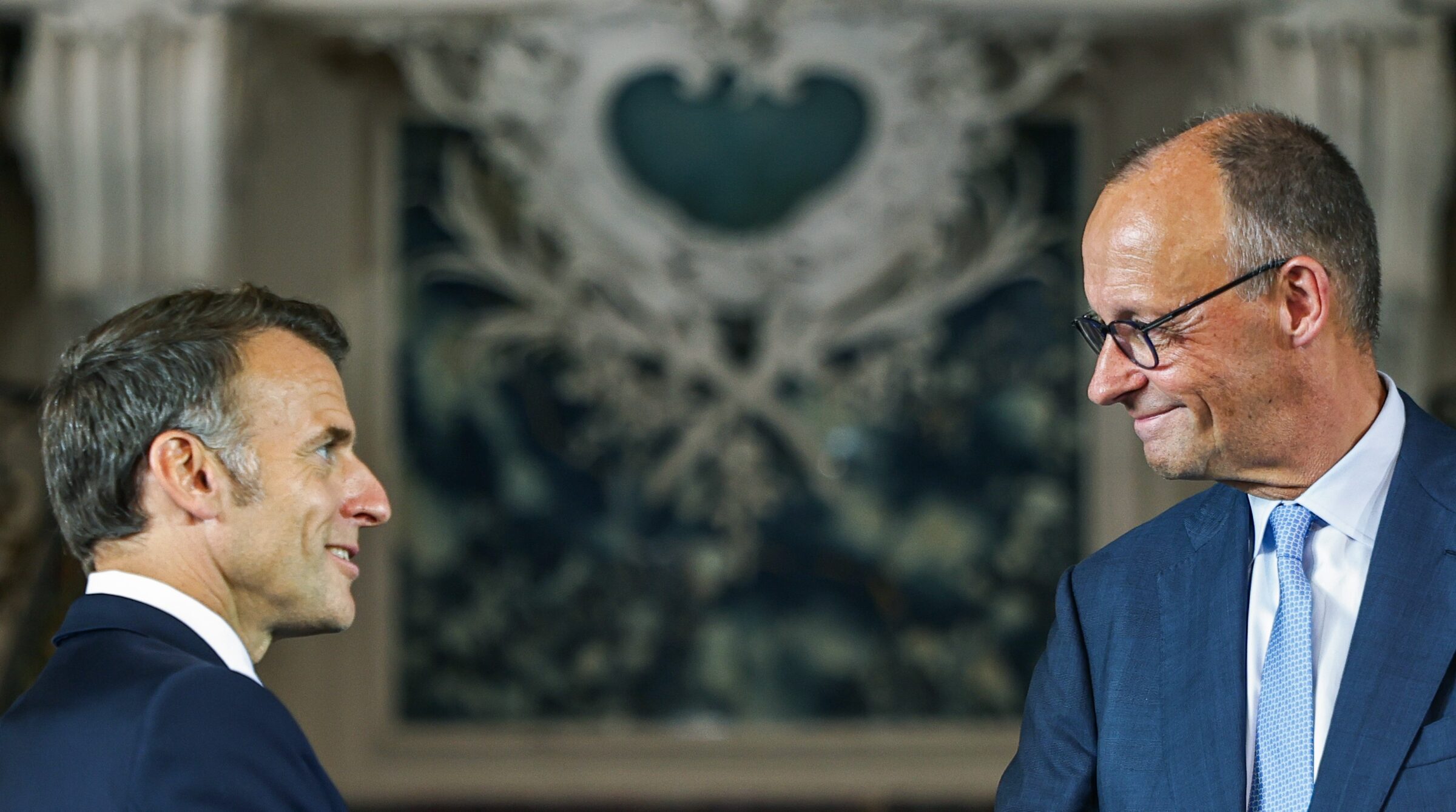
The Franco-German proposal seeks to decouple automotive rules from the wider Industrial Accelerator Act, which also covers materials like steel, cement, and aluminum. While French President Emmanuel Macron and German Chancellor Friedrich Merz have publicly stated the deal supports industrial transformation and climate goals, the proposal still requires negotiation with other EU member states. Ireland, currently holding the EU presidency, is working toward a final agreement on the broader industrial plan by mid-November.
Advertisement
This article was independently rewritten by ManyPress editorial AI from reporting originally published by SCMP Business, EUobserver.