French officials have recorded 301 drownings since June 19, linking the rise in fatalities to heat-seeking behavior and unsafe swimming practices.
Key facts
- •France recorded 301 drownings between June 19 and the minister's statement on Friday.
- •The current death toll represents a 14% increase compared to 2025 figures.
- •Minister Marina Ferrari stated that many accidents occurred in unauthorized or unsupervised swimming areas.
- •Sudden immersion in cold water on hot days is cited as a potential cause of shock.
- •The Copernicus climate service reports that Europe is warming twice as fast as the global average.
France has recorded 301 drownings since June 19, marking a 14% increase compared to the same period in 2025. Sports and Youth Minister Marina Ferrari attributed the rise in fatalities to prolonged heatwaves that have driven more people to seek relief in water.
By the numbers
Risks of Unsupervised Swimming
Minister Ferrari noted that many of the fatal accidents occurred in areas not authorized or supervised for swimming, including canals and other open water locations. She emphasized that individuals are increasingly taking risks to cool off without considering the dangers.
Factors Contributing to Fatalities
The minister highlighted that sudden immersion in cold water during hot weather can induce shock, and some individuals may exceed their physical capabilities. Additionally, a significant number of drownings, particularly among the elderly, have been recorded in private swimming pools.
Broader Climate Context
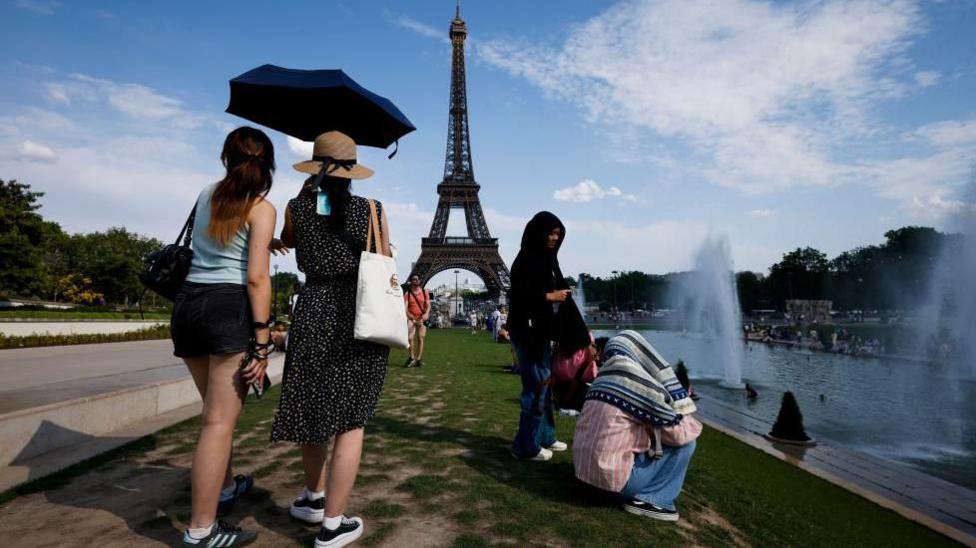
France, Spain, and Italy have experienced intense heatwaves that have also resulted in large-scale wildfires. According to the Copernicus climate service, Europe is the fastest-warming continent, heating at twice the global average rate.
Advertisement
This article was independently rewritten by ManyPress editorial AI from reporting originally published by BBC Science & Environment.