A research team has reclassified Australian stick insects, identifying two new species and restoring a third that had been misidentified for decades.
Key facts
- •Researchers reclassified Australian stick insects, moving from two known species in the genus Anchiale to five.
- •The newly described Anchiale mabiensis was found in Queensland's Mabi rainforest and features unique egg structures.
- •The study identified Anchiale robusta as a distinct species that had been misidentified for decades.
- •Researchers utilized over 1,000 citizen science observations from iNaturalist and the Atlas of Living Australia.
- •The findings were published in the journal Austral Entomology.
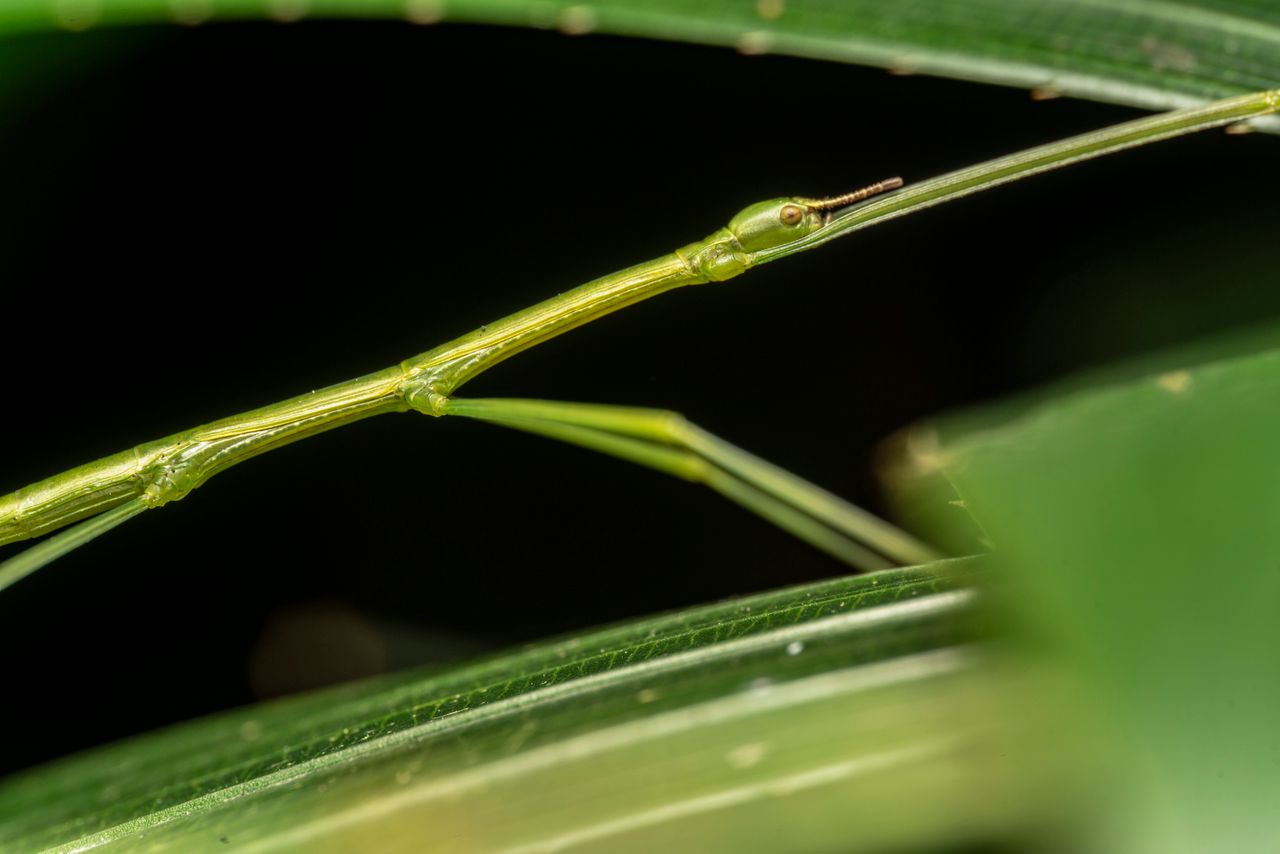
A University of Sydney research team has identified two previously unrecognized species of large stick insects in Australia and restored a third species that had gone misclassified for decades. By reexamining the genus Anchiale, the researchers determined that insects previously categorized as two species actually represent five distinct species. The findings, published in the journal Austral Entomology, highlight the ongoing challenge of documenting insect biodiversity even in well-studied environments.
Reclassification and new discoveries
The study revealed that a large stick insect long familiar to scientists and enthusiasts was incorrectly identified for decades; it is now recognized as a separate species named Anchiale robusta. Additionally, researchers formally described Anchiale mabiensis, a new species discovered in the Mabi rainforest on Queensland's Atherton Tablelands. This species produces eggs with a unique lidlike structure that has not been documented in other stick insects or their close relatives. The research team utilized a combination of DNA analysis, museum specimens, field surveys, and citizen science observations from platforms like iNaturalist. The study also suggests the existence of another potential new species from Cape York, though researchers require further specimens to confirm its identity.
Practical implications for management
The revised classification may have significant practical applications for forestry and agriculture. Researchers discovered that a stick insect known for occasionally reaching plague-like population levels and defoliating trees actually consists of multiple species. Distinguishing between these species is expected to help land managers better understand and mitigate future impacts on crops and forests. Lead author Dr. Braxton Jones noted that the findings underscore the importance of documenting Australia's biodiversity and protecting threatened ecosystems. The research was supported by the Australian Biological Resources Study and a CSIRO postgraduate scholarship.
Advertisement
This article was independently rewritten by ManyPress editorial AI from reporting originally published by ScienceDaily.