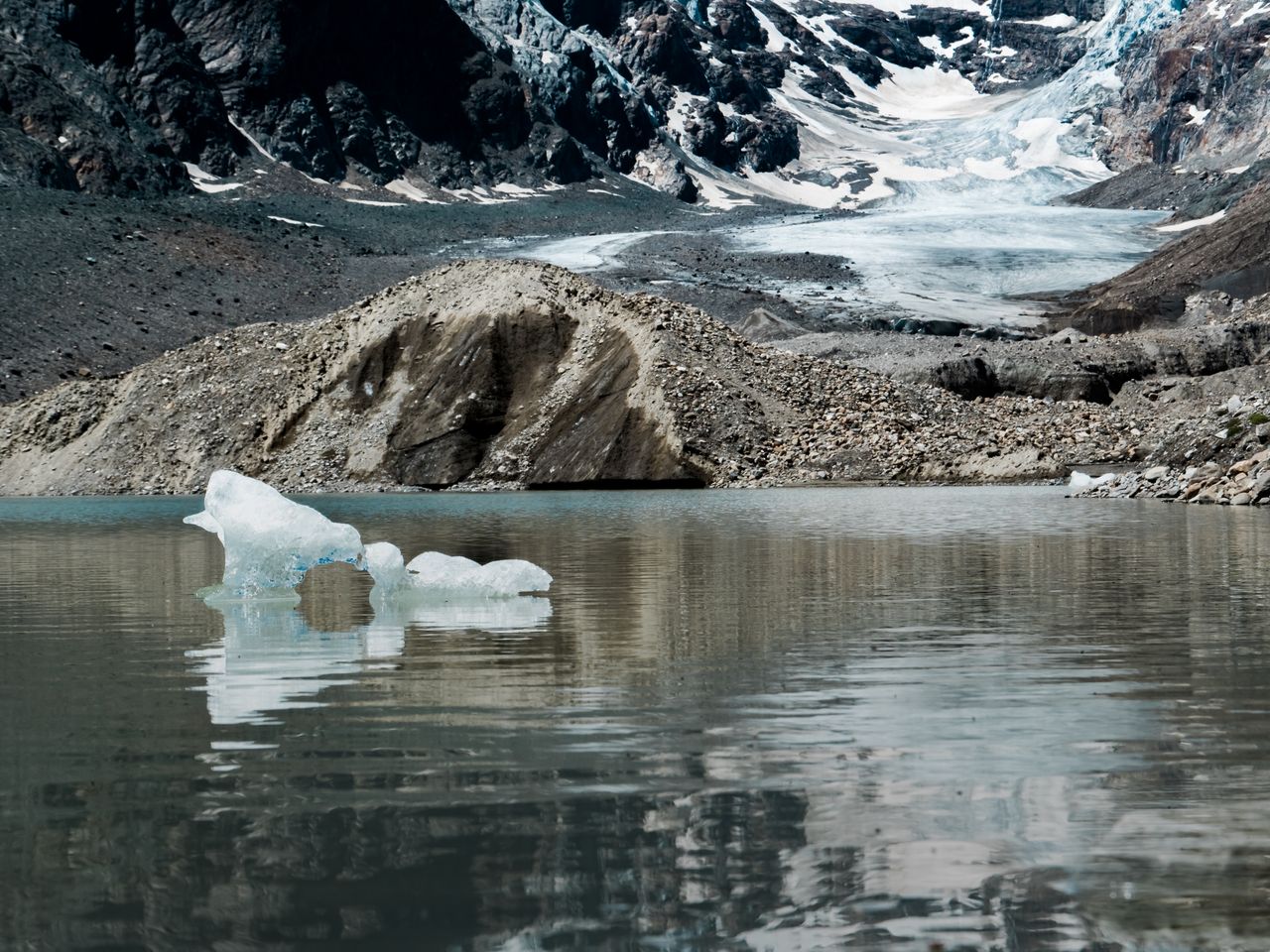
A new study by the GLAMOS network reports that Swiss glaciers have lost nearly 20% of their total volume since 2021, with 2026 marking the second-highest melt rate on record.
Key facts
- •Swiss glaciers lost 5.5% of their volume in 2026, the second-highest melt on record.
- •The Scex Rouge glacier is expected to disappear entirely within 10 to 15 years.
- •Four major glaciers, including the Aletsch and Rhone, experienced record melting this year.
- •Total ice volume loss in Switzerland has reached 27% over the past 10 years.
- •Researchers had to reposition measurement stakes to higher altitudes due to the rapid ice retreat.
Switzerland's glaciers have lost nearly 20% of their mass over the last five years, according to a report from the Glacier Monitoring in Switzerland (GLAMOS) network. Researchers found that 2026 was the second-worst year for ice loss on record, with 5.5% of total volume melting away. This acceleration follows a summer that saw record-breaking temperatures across June, July, and August.
By the numbers
Accelerating Ice Loss
The GLAMOS report indicates that the melt rate between 2022 and 2026 was more than double that of any previously monitored five-year period. While 10% of Swiss ice volume was lost between 1990 and 2000, that figure rose to 27% over the last decade. Researchers based these findings on measurements taken at 23 reference glaciers, which were then extrapolated to cover the nearly 1,300 glacial formations in the country.
Impact of Extreme Weather
The record melting was driven by a summer of unprecedented heat and a winter with minimal snowfall. By September, protective snow cover had completely disappeared even at high altitudes. The average ice thickness of some glaciers dropped by 2.5 to 4.0 meters, while exposed glacier tongues saw losses of up to 10 meters. Between July and September alone, the glaciers lost approximately 2.2 trillion liters of water, an amount estimated to be four times the annual freshwater consumption of all Swiss households.
Advertisement
This article was independently rewritten by ManyPress editorial AI from reporting originally published by Phys.org.