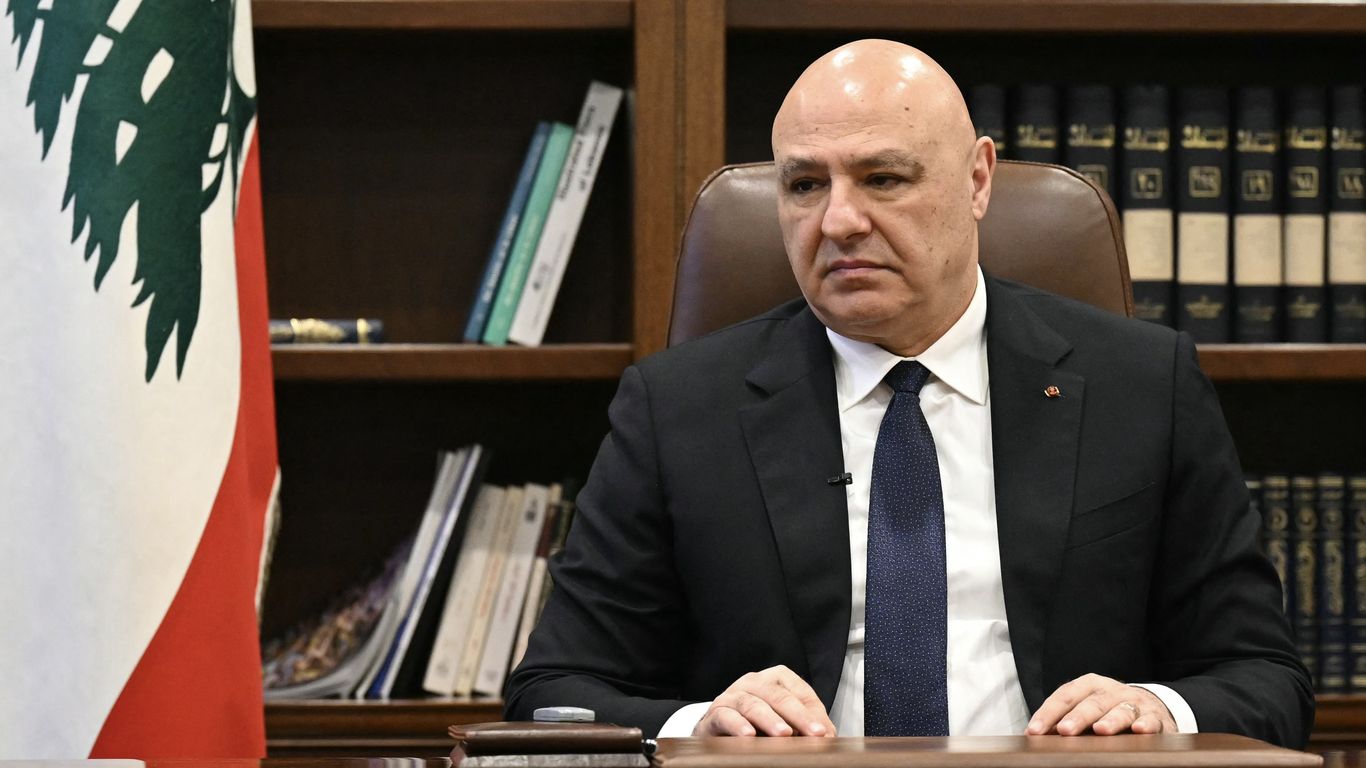
Military expert Nico Lange discusses the pattern of Russian-linked sabotage and hybrid attacks in Germany following a recent drone incident in Leipzig.

Key facts
- •Nico Lange is a former member of the Bundeswehr and the German defence ministry.
- •Incidents linked to Russia include a drone plot in Leipzig, a weapons cache near Berlin, and arson in Munich.
- •Lange states that Russia views its actions as a continuous war using both military and non-military means.
- •The use of military-grade explosives in the Leipzig drone incident is considered a new quality of attack by many observers.
- •Lange argues that the German government's willingness to officially name Russia as the perpetrator marks a shift in policy.
German military expert Nico Lange, a former official at the German defence ministry, has characterized recent sabotage incidents in Germany as part of an ongoing Russian war effort. These events include a drone incident at Leipzig airport, a secret weapons cache near Berlin, and suspected arson targeting a Munich arms manufacturer. Lange argues that these actions should be viewed as a systematic campaign rather than isolated events.
Attributing Responsibility to Russia
Lange noted that the German government has recently taken a more direct approach by officially attributing responsibility for these attacks to Russia. He highlighted that interior minister Alexander Dobrindt and foreign minister Johann Wadephul recently linked the Leipzig airport drone incident to a broader pattern of Russian activity. Lange described this shift in government rhetoric as a significant development, noting that authorities previously spoke only in cryptic terms about foreign powers.
Escalation and Public Awareness
According to Lange, the Leipzig drone incident crossed a red line for Berlin due to the use of military-grade explosives that nearly caused a major catastrophe. While he emphasized that these hybrid operations have been occurring for years, he noted that increased media reporting and government transparency have heightened public awareness of the threat. He added that similar patterns of Russian activity targeting the defense industry have been observed in other countries, including Denmark and Poland.
Advertisement
This article was independently rewritten by ManyPress editorial AI from reporting originally published by EUobserver.