Meta has launched Muse Gadgets, an open-source initiative allowing developers to build custom hardware that integrates with its Muse AI agent.
Key facts
- •Meta is providing open-source firmware and a Linux SDK for Muse Gadgets.
- •The project supports integration with hardware like Raspberry Pi and ESP32 boards.
- •Meta produced 5,000 units of the Muse Home Link device to give to Muse subscribers.
- •Muse for Small Business offers connectivity to tools like Slack and Shopify.
- •A new business unit, Meta Enterprise Platform, has been created to target corporate customers.
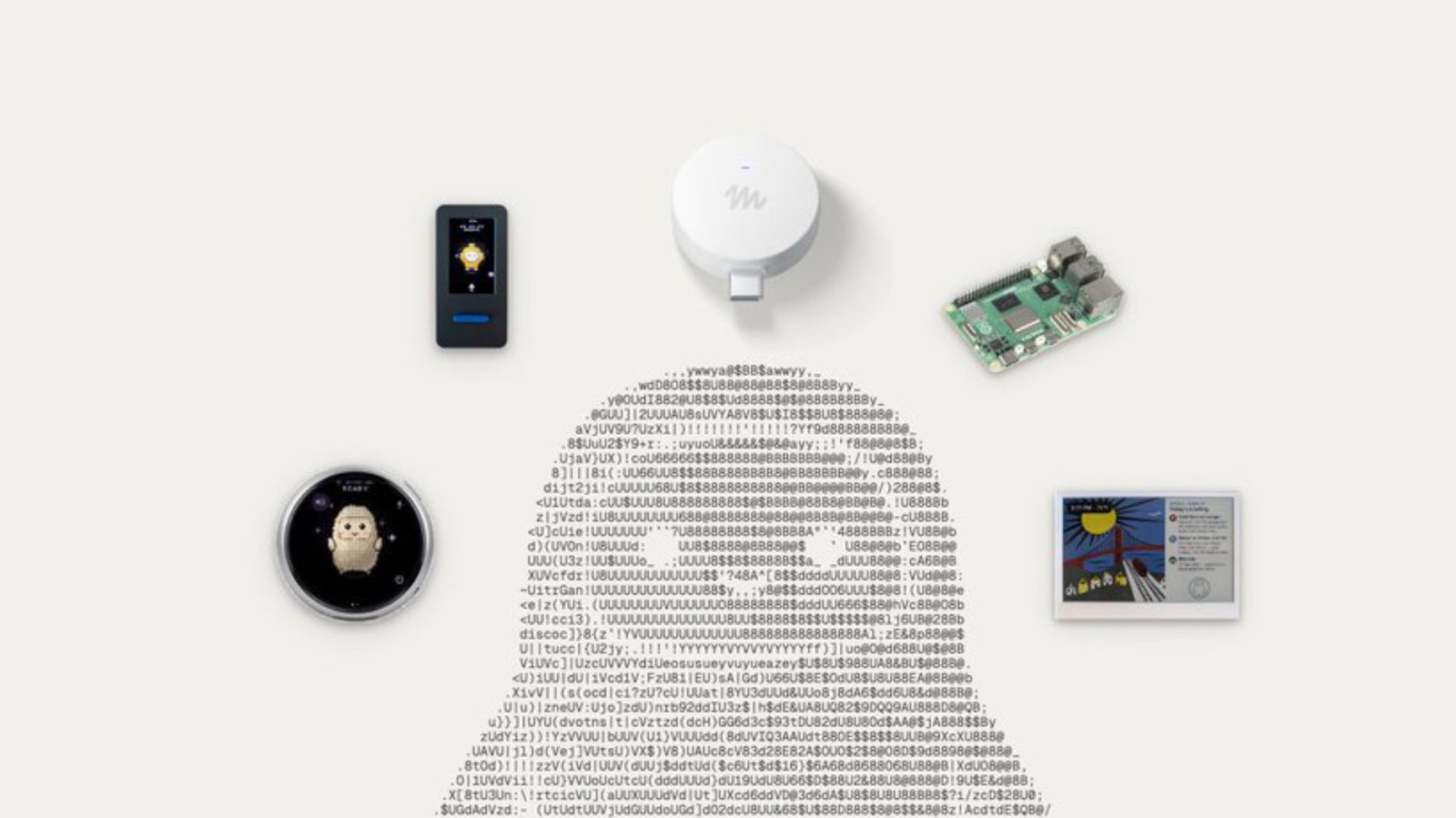
Meta introduced Muse Gadgets on Friday, an open-source project designed to let developers create hardware that connects to its Muse AI agent. The company is providing open-source firmware and a Linux software development kit to support the initiative. Users can integrate Muse with hobbyist hardware like Raspberry Pi or ESP32 boards to control displays, sensors, and other devices.
Hardware Integration and Support
Meta has suggested several project ideas for Muse Gadgets, such as creating devices with color e-ink displays or HDMI-connected sticks for TVs. To support the community, the company has established a dedicated Discord channel. Nat Friedman, head of product at Meta’s Superintelligence Labs, stated that the company developed a USB-C-powered device called Muse Home Link, which allows Muse to connect to home networks and interact with smart speakers and televisions.
Business Expansion
The Muse Gadgets project aligns with Meta's broader strategy to expand Muse beyond a standalone chatbot. Earlier this week, the company launched Muse for Small Business, a service that connects the AI to platforms including Shopify, Dropbox, and Slack. Additionally, Meta has established the Meta Enterprise Platform, a new business unit focused on providing AI offerings to corporate clients.
Advertisement
This article was independently rewritten by ManyPress editorial AI from reporting originally published by TechCrunch.