The publication's annual '35 Innovators Under 35' list features breakthroughs in biotechnology and climate tech, including a new, lower-cost method for producing cleaner steel.
Key facts
- •The '35 Innovators Under 35' list features four categories: AI, computing and robotics, biotechnology, and climate and energy.
- •Hertha Metals' new furnace design aims to cut steelmaking emissions by at least 50%.
- •The new steel production method is projected to reduce costs by 25% compared to standard industry practices.
- •Biotech innovations include generative AI efforts to design viruses for drug development and pollution reduction.
- •Some tech workers are using sabotage tools to resist employer-led automation of their workflows.
MIT Technology Review has released its 2026 '35 Innovators Under 35' list, recognizing young professionals across science and technology. The list highlights nine individuals in the biotechnology sector, alongside innovators in climate and energy, AI, and computing. Among the honorees is Laureen Meroueh, founder of Hertha Metals, who has developed a new furnace design aimed at reducing the environmental impact and cost of steel production.
Biotechnology Innovations
The 2026 cohort includes researchers working on diverse medical advancements. Notable projects mentioned include a 'reprogramming' therapy designed to reverse vision loss, the development of tiny brain electrodes inspired by Japanese art, and a personalized gene-editing treatment for infants with rare genetic disorders. Additionally, some innovators are exploring the use of generative AI to design new viruses intended to create drugs or mitigate pollution.
Cleaner Steel Production
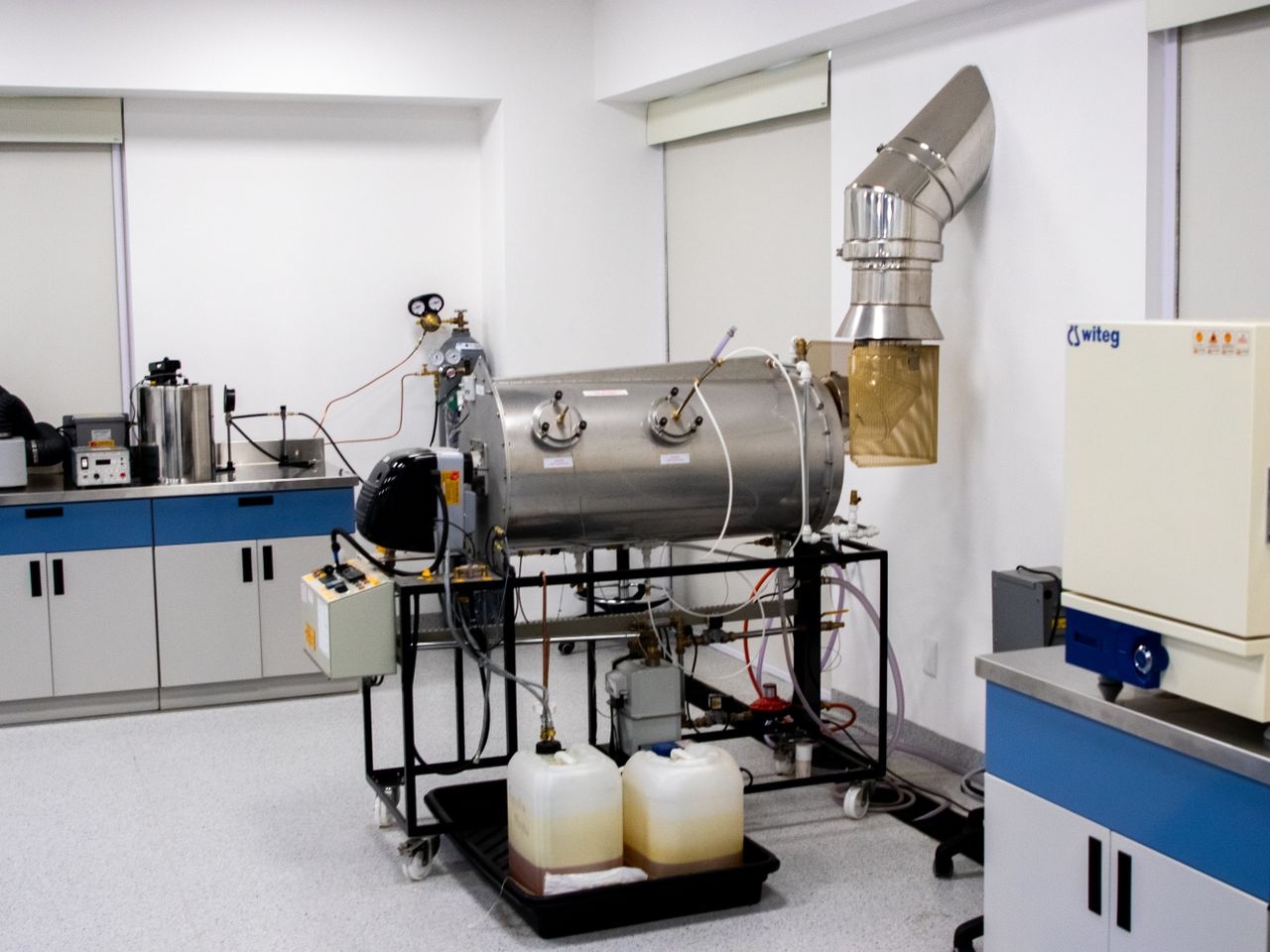
Laureen Meroueh’s work at Hertha Metals addresses the steel industry's reliance on traditional iron ore purification methods, which have remained largely unchanged since the 1850s. Her proposed furnace converts iron ore into refined liquid steel in a single step while replacing coal with natural gas. According to Meroueh, this process is designed to reduce emissions by at least 50% and lower production costs by 25% compared to conventional methods.
Workplace Automation Concerns
Beyond the list of innovators, the publication reports on growing concerns among tech workers regarding the automation of their professional roles. Following the emergence of tools that document workflows for AI integration, some employees fear their professional identities are being reduced to code. In response, some workers are reportedly using tools designed to sabotage these automation processes.
Advertisement
This article was independently rewritten by ManyPress editorial AI from reporting originally published by MIT Technology Review.