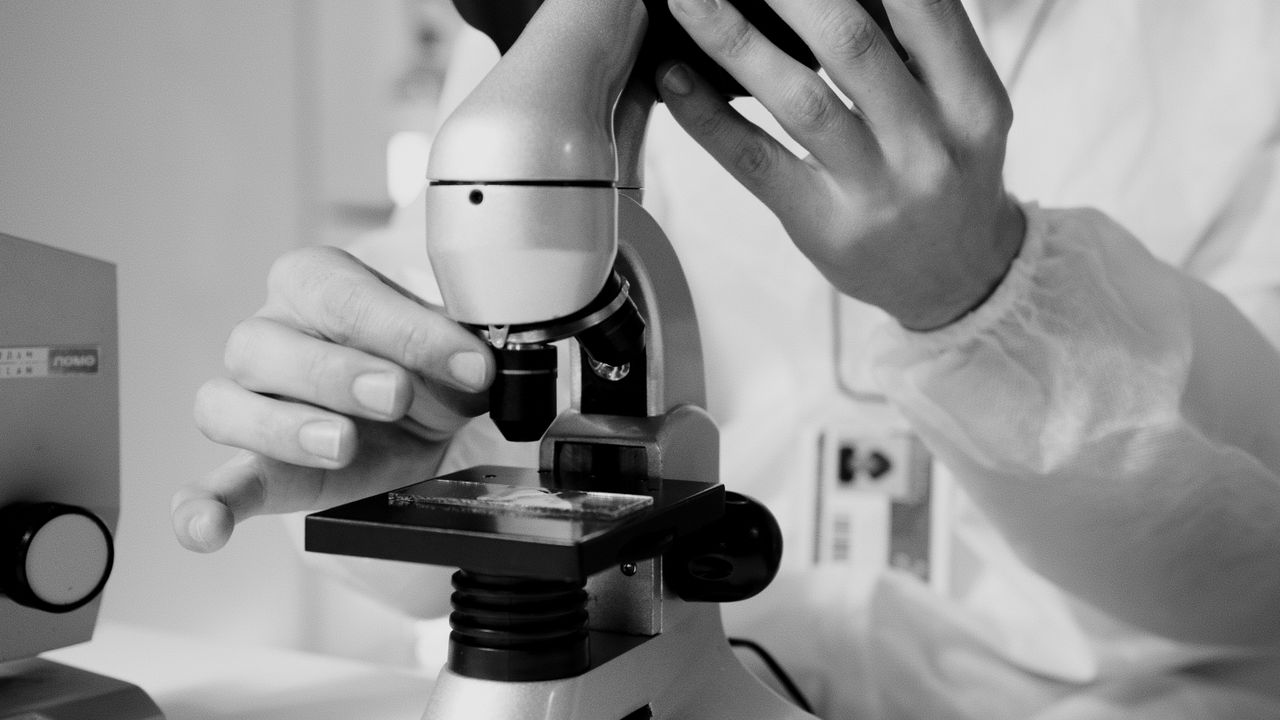
University of Kentucky entomologist Stephen Dobson is deploying bacteria-infected male mosquitoes to reduce local populations by preventing eggs from hatching.

Key facts
- •Half a million modified mosquitoes will be released in the Washington, D.C., area this summer.
- •The modified mosquitoes are infected with Wolbachia, a bacterium that prevents eggs from hatching.
- •Similar releases in Singapore have resulted in a 90% reduction in mosquito populations.
- •The technology targets the invasive tiger mosquito, which was not in the U.S. prior to 1985.
- •MosquitoMate currently provides these mosquitoes to private pest control operators and municipal abatement districts in Florida and California.
Half a million modified male mosquitoes are scheduled for release in the Washington, D.C., area this summer to combat local mosquito populations. These mosquitoes are infected with Wolbachia, a naturally occurring bacterium that renders the eggs of females they mate with sterile. The project is led by Stephen Dobson, an entomologist at the University of Kentucky and CEO of the lab MosquitoMate.
How the technology works
The process involves using microscopic needles to inject Wolbachia bacteria into mosquito eggs, a technique developed in Dobson's laboratory around 2005. Because male mosquitoes do not bite or consume blood, they are used to seek out and mate with females of the same species. Once the females mate with the modified males, their eggs fail to hatch, leading to a population decline over several weeks.
Environmental and pest control impact
Dobson notes that this method is species-specific, avoiding the impact that broad-spectrum chemicals can have on beneficial insects like bees and butterflies. The approach also bypasses the issue of chemical resistance, which has become a problem as mosquito populations adapt to traditional pesticides. The mosquitoes being targeted, such as the invasive tiger mosquito, were not present in the United States before 1985, and Dobson argues that reducing their numbers returns the ecosystem to a more natural state.
Timeline
- 1985The tiger mosquito was introduced to the United States.
- 2005The Wolbachia-based mosquito modification technique was developed at the University of Kentucky.
- This summerHalf a million modified mosquitoes are scheduled for release in the Washington, D.C., area.
Advertisement
This article was independently rewritten by ManyPress editorial AI from reporting originally published by NPR Health.