August 2026 features a total solar eclipse, the peak of the Perseid meteor shower, Venus at its greatest eastern elongation, and a partial lunar eclipse.
Key facts
- •The August 12 total solar eclipse path includes northern Russia, Greenland, Iceland, and northern Spain.
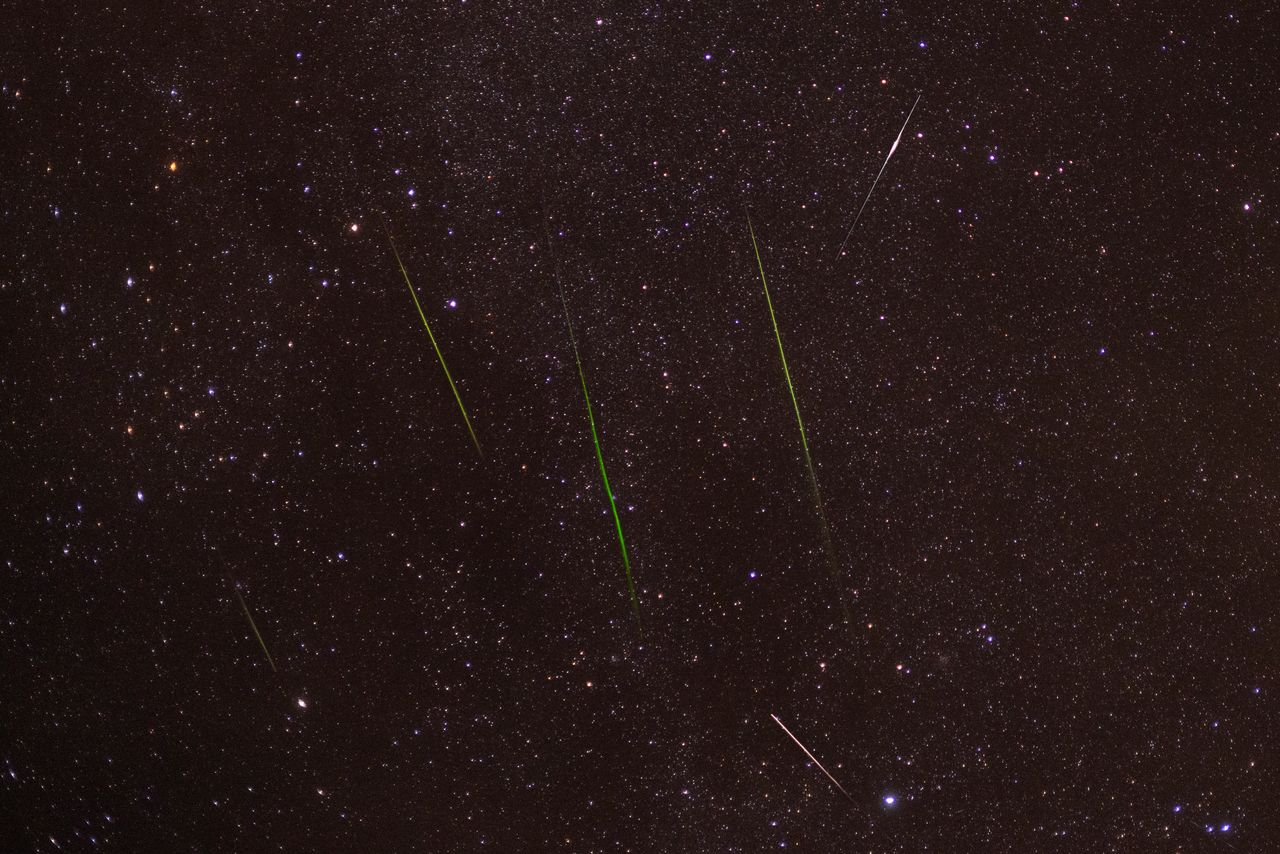
- •The Perseid meteor shower peaks on the night of August 12 into the morning of August 13.
- •Venus reaches its greatest eastern elongation between August 14 and August 16.
- •About 93% of the Moon will be covered by Earth's umbra during the August 27-28 partial lunar eclipse.
- •NASA advises using certified solar filters for solar eclipses but notes that lunar eclipses are safe to view with the naked eye.
August 2026 offers several significant astronomical events, beginning with a total solar eclipse on August 12. The month also features the annual Perseid meteor shower, Venus reaching its greatest eastern elongation, and a deep partial lunar eclipse occurring late in the month.
Solar and Lunar Eclipses
On August 12, a total solar eclipse will cross northern Russia, Greenland, Iceland, and northern Spain, with a small portion of Portugal also in the path of totality. In parts of the United States, observers will see a partial eclipse. NASA emphasizes that viewers must use certified eclipse glasses or solar filters for safe viewing, as regular sunglasses are insufficient. Later in the month, on the night of August 27 into August 28, a partial lunar eclipse will occur. During this event, approximately 93% of the Moon’s diameter will pass into Earth’s dark central shadow, or umbra. This eclipse will be visible from much of North and South America, as well as parts of Europe and Africa, and is safe to view without special equipment.
Perseid Meteor Shower and Venus
The Perseid meteor shower will peak on the evening of August 12 into the early morning of August 13. Because a New Moon coincides with the peak, skies will be dark, providing ideal conditions for viewing. The meteors, caused by Earth passing through debris from Comet Swift-Tuttle, will appear to originate from the constellation Perseus in the northeast. From August 14 to 16, Venus will reach its greatest eastern elongation, marking its widest apparent separation from the Sun during this evening appearance. It will be visible low in the western sky shortly after sunset as a bright object.
Timeline
- August 12A total solar eclipse occurs, and the Perseid meteor shower begins its peak.
- August 13The Perseid meteor shower peak concludes in the early morning hours.
- August 14-16Venus reaches its greatest eastern elongation.
- August 27-28A partial lunar eclipse occurs, visible from North and South America, Europe, and Africa.
Advertisement
This article was independently rewritten by ManyPress editorial AI from reporting originally published by NASA Breaking News.