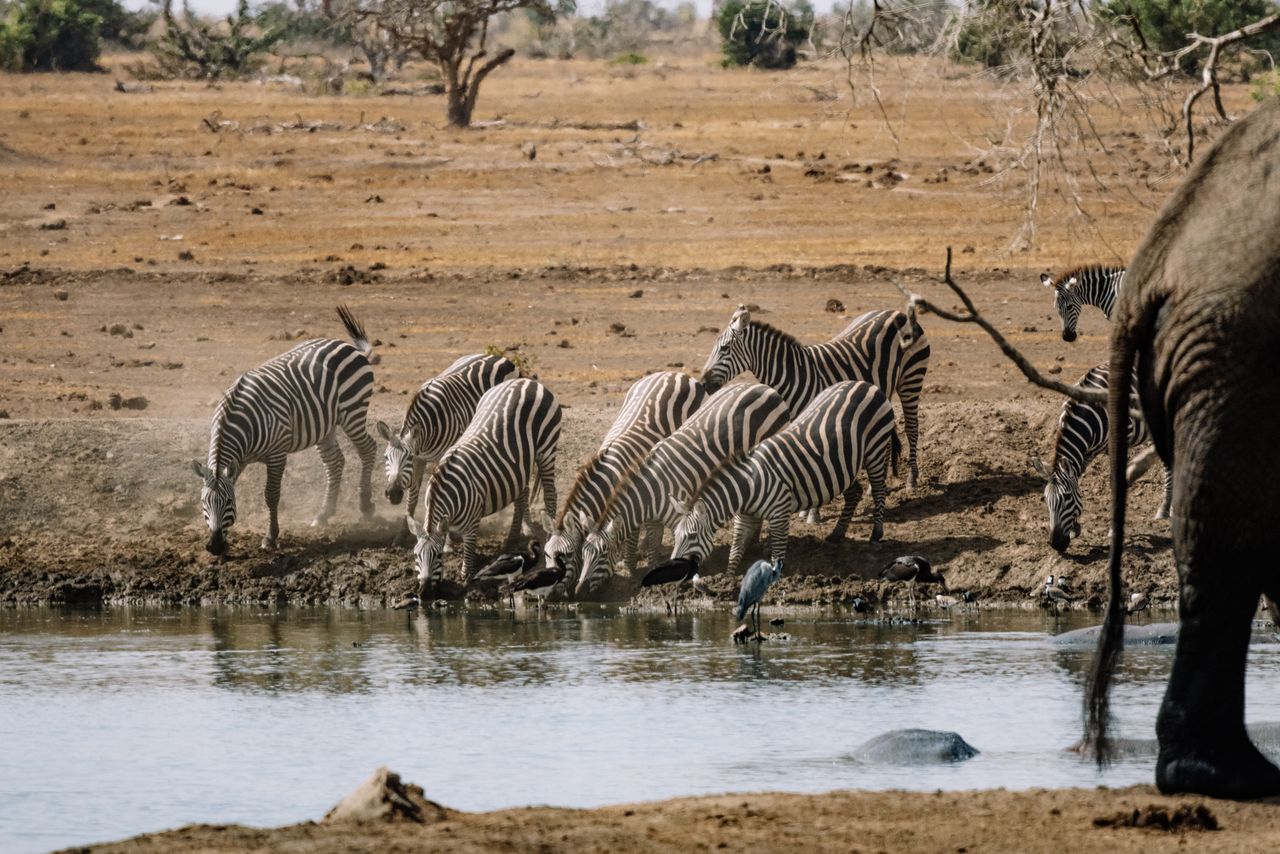
A new YouTube livestream from Watarrka National Park in Australia allows global viewers to observe wildlife at a remote waterhole in real time.
Key facts
- •The livestream is hosted on the Watarrka Waterhole Wildlife YouTube channel.
- •The camera is located 350 km (217 miles) southwest of Alice Springs.
- •The project is a partnership between Charles Darwin University and NT Parks and Wildlife.
- •The site serves as a biodiversity refuge in an area with highly variable rainfall.
- •Viewers can access an accompanying website to view logged movement triggers.
A collaboration between Charles Darwin University’s Research Institute for the Environment and Livelihoods and NT Parks and Wildlife has launched a livestream from a remote waterhole in Watarrka National Park. Located 350 kilometers southwest of Alice Springs in Central Australia, the camera captures wildlife activity and environmental changes in real time. The project aims to provide viewers with an appreciation for the region's biodiversity and the critical role water plays in sustaining life in the arid Outback.
Wildlife and Environmental Monitoring
The camera is positioned at a pool on a temporary stream along the Watarrka escarpment. Viewers can observe various animals, including dingoes, kangaroos, and birds, as they use the site for drinking, hunting, or as a travel path. The feed also captures insect activity and nocturnal wildlife, such as frogs. An accompanying website logs movement triggers, allowing users to review specific events.
Conservation and Research Goals
Professor Jenny Davis of Charles Darwin University stated that the project highlights the importance of waterholes as refuges for flora and fauna in a region characterized by unpredictable rainfall and extreme summer temperatures. Data gathered from the livestream and related research will assist in the conservation of these freshwater ecosystems as the climate changes. The park itself is noted for its sandstone landscapes and cultural significance to the Matutjara people.
Advertisement
This article was independently rewritten by ManyPress editorial AI from reporting originally published by Phys.org.