Experts offer guidance on how to improve communication and maintain meaningful connections with individuals living with dementia.
Key facts
- •Dementia is an umbrella term for a group of brain diseases that affect memory, language, and communication.
- •Communication strategies should be adapted to the individual without being infantilizing or condescending.
- •Using a person's name and introducing yourself clearly can help maintain personal connections.
- •Music, art, and gardening are suggested as alternative ways to connect when verbal conversation is difficult.
- •Sudden changes in behavior, such as hallucinations or disorientation, may be signs of delirium and require medical attention.
Dementia, an umbrella term for brain diseases affecting memory and language, can make communication challenging for those living with the condition. Experts suggest that adapting interaction styles—such as choosing quiet environments and practicing patience—can help keep individuals included in conversations. While dementia is progressive, these practical approaches aim to support better engagement and emotional well-being for those affected.
Creating an Accessible Environment
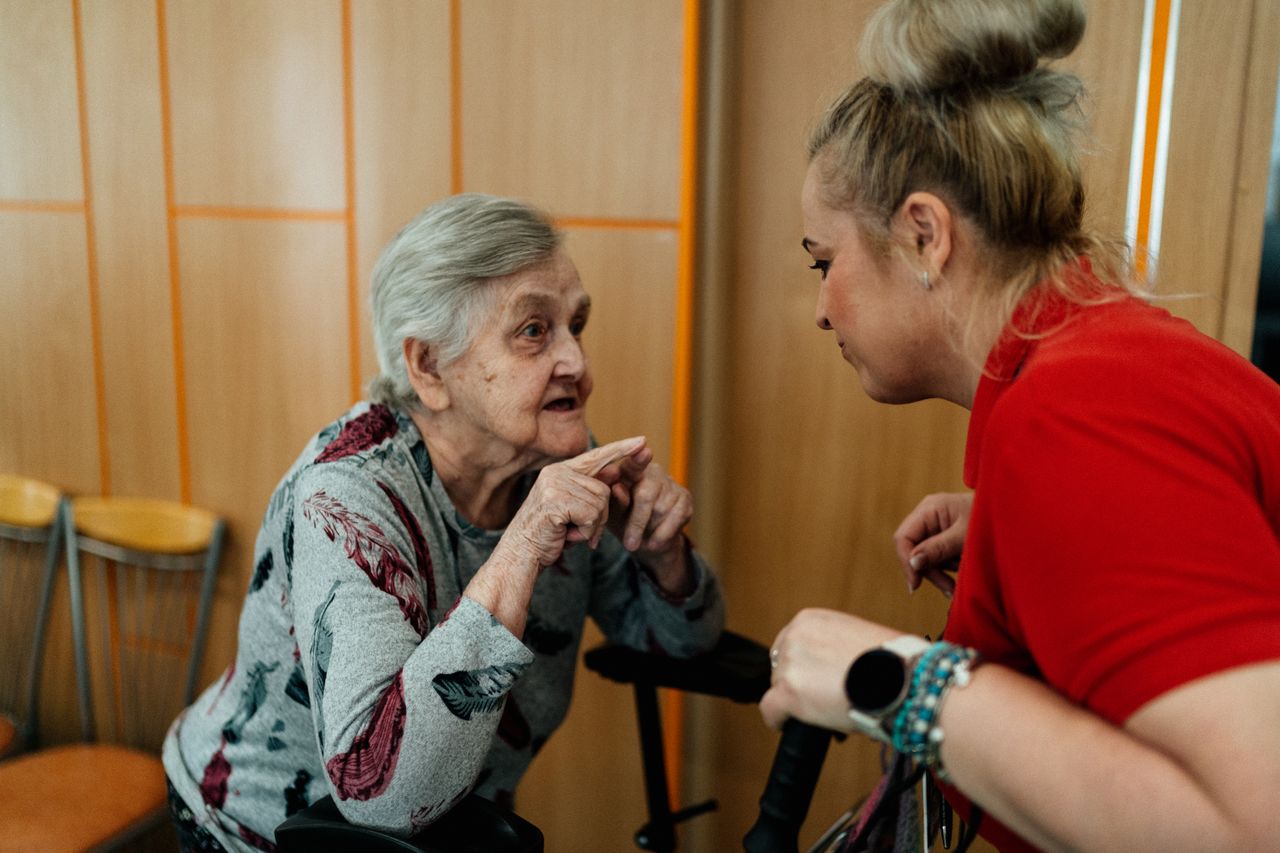
To minimize overwhelm, it is recommended to choose quiet locations for conversations, as background noise like music or machinery can be distracting. Limiting group sizes to one or two people is often helpful. When communicating, ensure good lighting, maintain eye contact, and use nonverbal cues like nodding or smiling to convey meaning. Giving the person full attention by putting away phones can also help them focus.
Managing Conversations and Memory
When a person with dementia struggles to find words or expresses confusion about the past, avoid correcting them or lying. Instead, focus on validating their emotions and redirecting the conversation. Reminiscing using memory books or discussing shared history can be positive, provided the topics are not distressing. Always speak directly to the person rather than about them, and allow them sufficient time to respond without rushing to finish their sentences.
Recognizing Medical Emergencies
While daily fluctuations in symptoms are common, sudden changes such as hallucinations, mood shifts, or confusion about location may indicate delirium. This is considered a medical emergency and requires professional help. Caregivers should also monitor for underlying issues like infections or medication changes that might impact a person's ability to communicate.
Advertisement
This article was independently rewritten by ManyPress editorial AI from reporting originally published by Medical Xpress.