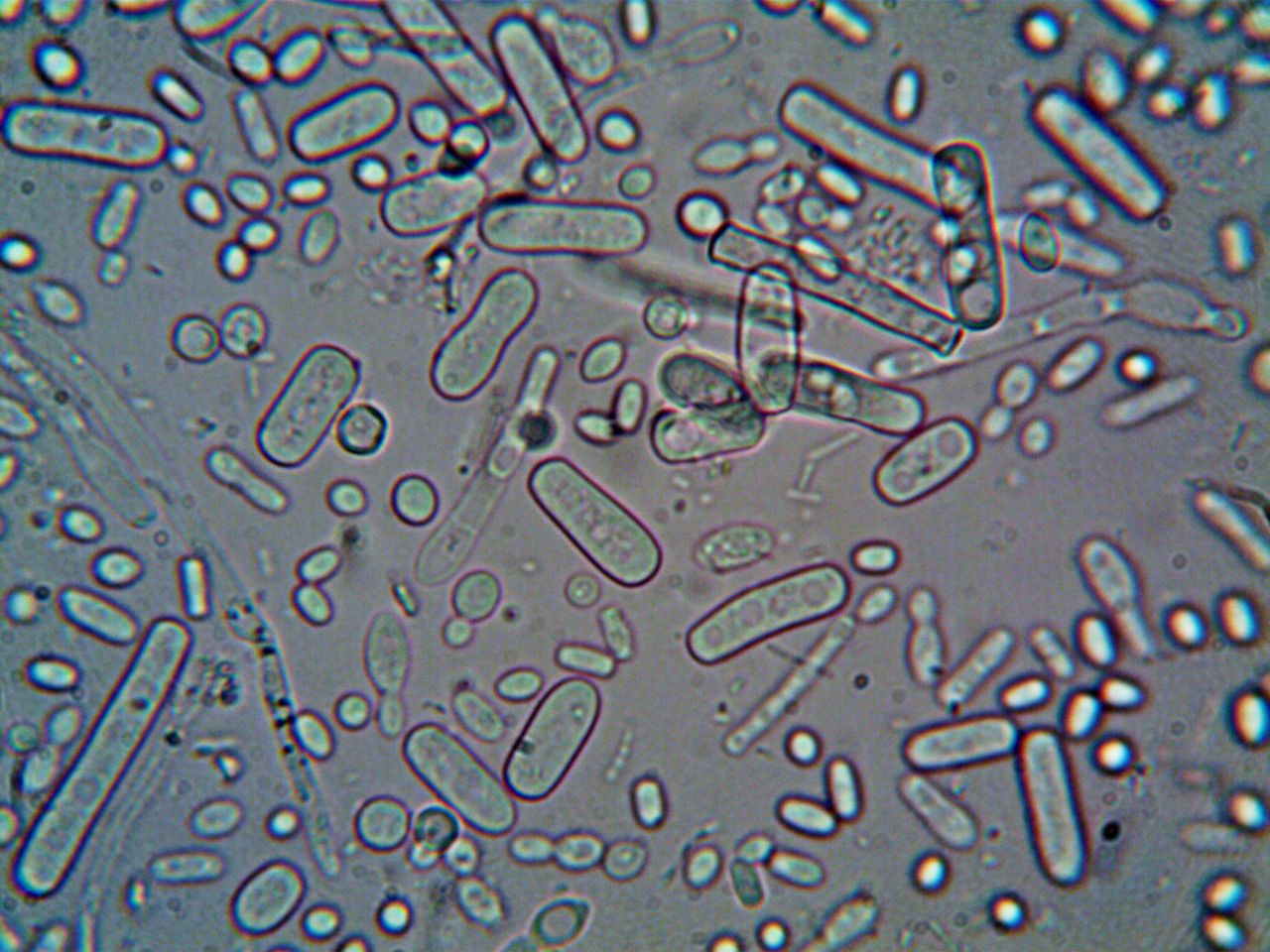
A study published in New Phytologist shows that semitranslucent petal sections alter light and heat, impacting the microbial communities inside flowers.

Key facts
- •Petal windows allow more ultraviolet and infrared radiation to pass through than pigmented tissue.
- •Warmer internal floral temperatures are associated with lower microbial abundance.
- •Microbial communities inside flowers can influence nectar quality.
- •The findings suggest that flower structure impacts plant-pollinator interactions.
- •The research was published in the journal New Phytologist.
Research published in the journal New Phytologist indicates that small, semitranslucent sections on flower petals, known as "windows," significantly alter the internal environment of the flower. These structures change the amount of light and heat that enters, which in turn influences the abundance of microbes living within the floral tissue.
Impact of light and temperature
Field experiments revealed that these petal windows transmit higher levels of ultraviolet and infrared radiation compared to pigmented floral tissue. The study found a direct correlation between internal floral temperature and microbial populations, noting that flowers with warmer internal temperatures consistently harbored fewer microbes.
Ecological implications
Because the microbial communities residing within flowers can alter the quality of nectar, researchers suggest that these petal structures may affect how pollinators interact with plants. Jessica Williams, a Ph.D. student at Florida Atlantic University and corresponding author of the study, noted that this small floral trait has ecological consequences that extend beyond the flower itself.
Advertisement
This article was independently rewritten by ManyPress editorial AI from reporting originally published by Phys.org.