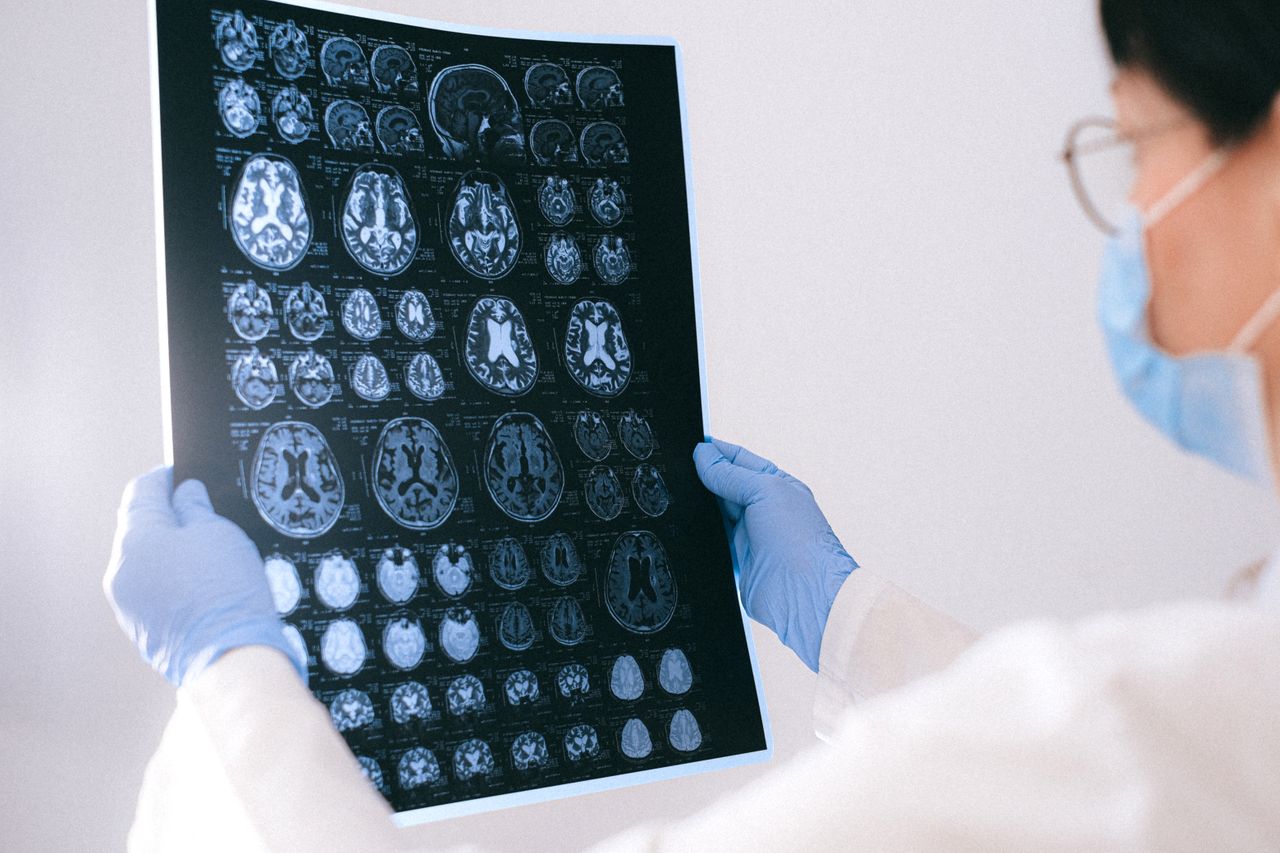
A study reveals that the three-dimensional folding of the genome in brain cells differs in individuals with Alzheimer's disease, potentially offering new targets for future therapies.

Key facts
- •The study identified "increased compartment mingling" as a consistent signature of 3D genome reorganization in Alzheimer's cells.
- •Researchers observed weaker interactions between genes and their nearby regulatory elements in diseased brain tissue.
- •The findings establish 3D genome organization as a potential new layer of Alzheimer's molecular pathology alongside amyloid-beta plaques and tau tangles.
- •The research team included scientists from Carnegie Mellon University, the University of Pittsburgh, and the University of Washington.
- •The study was supported by grants from the National Institutes of Health.
Researchers from Carnegie Mellon University, the University of Pittsburgh, and the University of Washington have discovered that the three-dimensional organization of the genome is altered in the brain cells of people with Alzheimer's disease. By integrating single-cell technology and a new deep learning model, the team linked these structural changes to shifts in gene activity and brain tissue organization. The findings suggest that higher-order chromatin alterations are a component of the disease's molecular pathology.
Genome Folding and Disease
DNA typically folds into complex three-dimensional structures that regulate gene accessibility. In the study, researchers analyzed postmortem prefrontal cortex samples from individuals with and without Alzheimer's. They found that in cells affected by the disease, the boundaries between active and inactive genome regions, known as compartments, were less sharply defined, a pattern termed "increased compartment mingling."
Impact on Cellular Function
The structural changes were linked to reduced activity in programs related to neurons and synapses, as well as alterations in metabolism and cellular stress responses. Microglia, the brain's immune cells, also showed links to senescence-related programs. These molecular changes were further associated with differences in how brain cells were arranged within the tissue.
New Computational Tools
To analyze these patterns, the team utilized GAGE-seq to measure gene expression and genome contacts within individual cells. They also developed an artificial intelligence model called Hicformer, which combines DNA sequence data with genome folding patterns to predict gene activity. This system serves as a test bed for exploring how genome folding influences cellular behavior.
Advertisement
This article was independently rewritten by ManyPress editorial AI from reporting originally published by ScienceDaily.