Architect Marion Baeli explains how her retrofitted 1960s home stays cool during heatwaves using the Passivhaus building standard.
Key facts
- •Passivhaus homes are designed to consume up to 90% less energy than typical houses.
- •Marion Baeli’s home renovation was completed in stages over ten years to manage costs.
- •The Passivhaus Trust estimates that building to the standard adds 2% to 5% to the construction cost of new homes.
- •Barratt Redrow is currently developing a 900-apartment project in west London to the Passivhaus standard.
- •Baeli advises that shading windows is a simple, effective way to reduce the greenhouse effect in homes during summer.
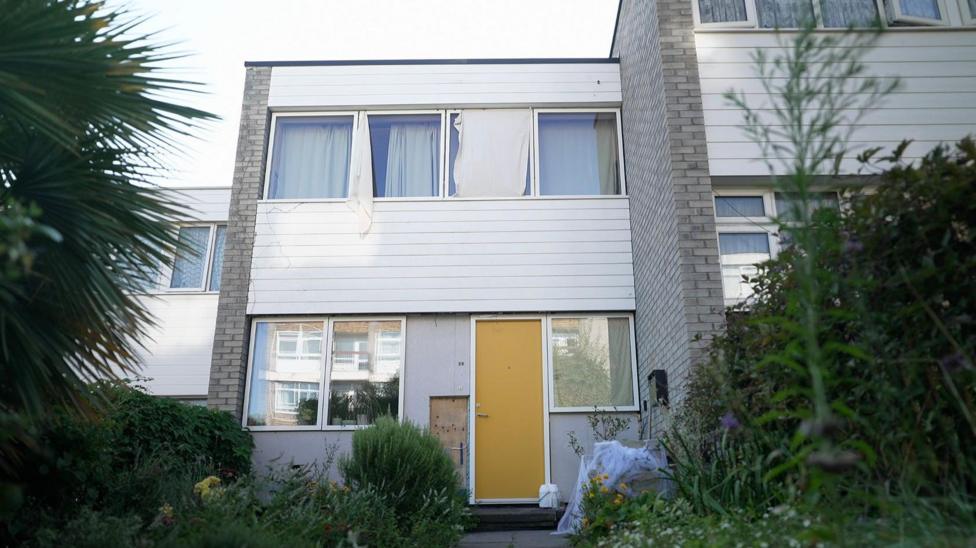
As UK temperatures rise, many homes are struggling with overheating, with projections suggesting 92% of homes could be at risk by 2050. Architect Marion Baeli has retrofitted her 1960s ex-council house in south London to the Passivhaus standard, allowing it to remain 10C cooler than outside temperatures during heatwaves without the use of air conditioning.
By the numbers
The Passivhaus retrofit process
The Passivhaus standard focuses on sealing a home against the elements to maintain a constant internal temperature. Baeli’s multi-phase renovation included insulating walls, floors, and roofs, removing thermal bridges, and installing triple-glazed windows. To maintain air quality in the airtight structure, a ventilation system was also installed.
Costs and energy efficiency
Retrofitting to this standard is costly, with Baeli’s project totaling approximately £80,000, including £30,000 for windows. However, she estimates her energy demand has dropped by 88%, resulting in annual savings of nearly £750. While the Passivhaus Trust notes that retrofitting is expensive, experts suggest that even implementing partial measures can significantly reduce energy bills.
Future standards and housing stock
With 80% of the UK's 2050 housing stock already built, retrofitting remains a major challenge. While new regulations like the Future Homes Standard in England are moving closer to Passivhaus requirements, adoption remains limited. Currently, about 1% of new homes are built to the voluntary standard, though the Passivhaus Trust estimates this could reach 10% within the next decade.
Advertisement
This article was independently rewritten by ManyPress editorial AI from reporting originally published by BBC Science & Environment.