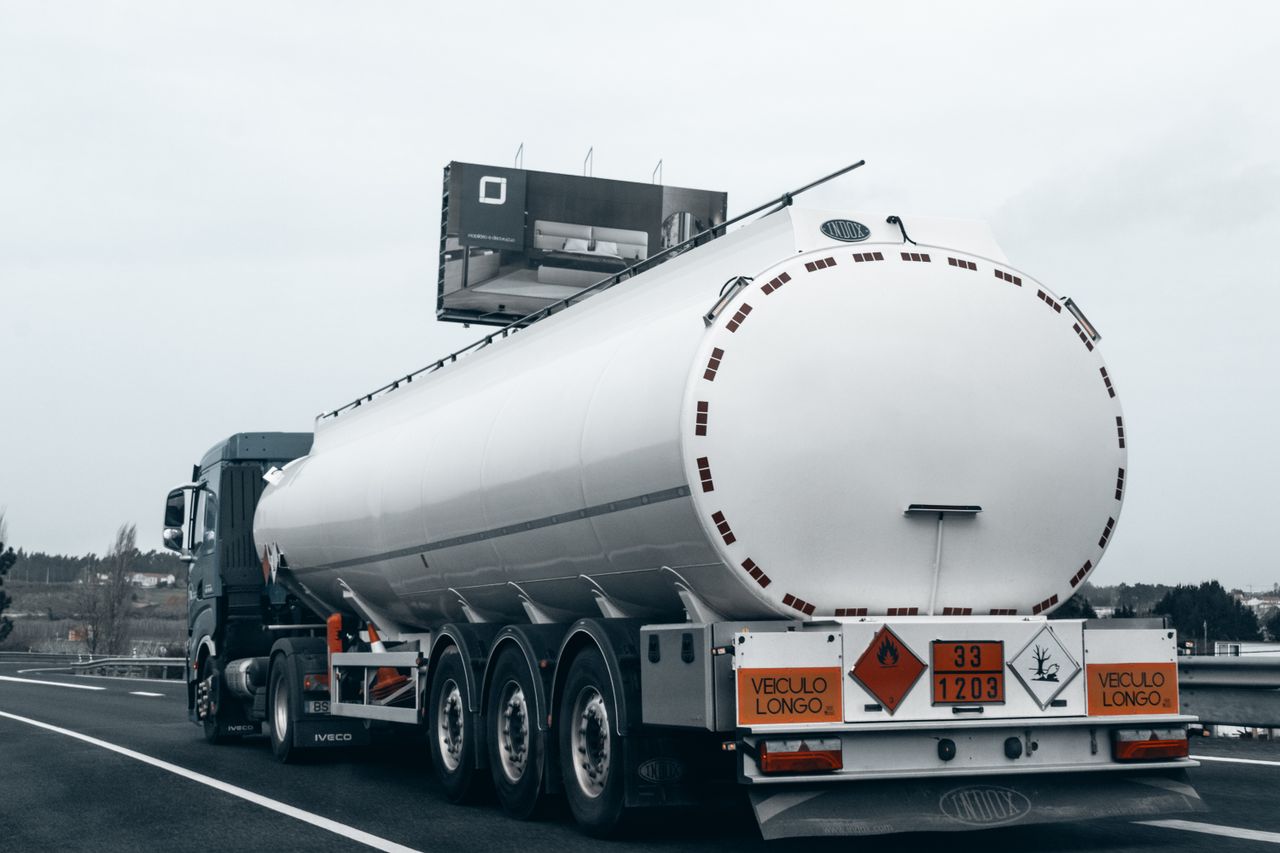
Surging diesel costs are straining the European economy, driven by refinery disruptions in Russia and the Middle East, and potential US export restrictions.
Key facts
- •The average price of a gallon of diesel in the US is $6.52, up from $3.74 a year ago.
- •Russian diesel production is down nearly 30% from 2025 levels due to refinery attacks.
- •EU road transport costs have increased by €270 million per day due to higher fuel prices.
- •US diesel exports to Europe have risen by 37% since last year.
- •Refinery closures in the US and Europe since 2019 have reduced the market's ability to absorb supply shocks.
Diesel prices are climbing globally, impacting freight, farming, and industry more significantly than gasoline. The price increase is driven by a combination of reduced refining capacity and geopolitical conflicts. In the United States, the average price of a gallon of diesel has risen to $6.52, while Europe faces particular vulnerability due to its heavy reliance on diesel-powered transport and imports.
By the numbers
Refining Capacity and Supply Disruptions
Global diesel production has been constrained by a shift from a crude oil shortage to a lack of refining capacity. According to the International Energy Agency, Russian diesel production has fallen by nearly 30% compared to 2025 levels following repeated attacks on oil refineries. Additionally, refinery closures in the US and Europe since 2019 have reduced the spare capacity previously used to absorb market shocks.
Impact on the European Economy
Europe is structurally short on diesel and relies on imports to meet demand. According to Transport & Environment, road transport accounts for 77% of total diesel and gas oil consumption in the EU. Increased fuel costs for road transport are currently adding €270 million in daily costs to the EU economy, with diesel accounting for €203 million of that figure. Since the start of the war, the EU economy has incurred €40 billion in additional costs related to road diesel.
Potential US Export Restrictions
The US, the world's largest diesel exporter, has increased exports to Europe by 37% over the last year, covering about 8% of European demand. However, President Donald Trump announced on September 22 that his administration is considering a ban on diesel exports to lower domestic prices ahead of midterm elections. Experts warn that such a move could backfire by causing US refiners to reduce production or lead to retaliatory measures from the EU.
Timeline
- 2019A wave of refinery closures began in Europe and the US.
- 2022Attacks on Russian oil refineries began.
- September 22President Trump announced the US is considering a diesel export ban.
Advertisement
This article was independently rewritten by ManyPress editorial AI from reporting originally published by Deutsche Welle Business.