Despite known prevention methods, silicosis cases are surging among Appalachian coal miners and stone fabrication workers as industry groups challenge safety regulations.
Key facts
- •A NIOSH study found that one in three coal miners in Kentucky, Virginia, and West Virginia has black lung disease.
- •A New England Journal of Medicine study identified nearly 600 silicosis cases among California countertop workers, with 31 deaths and 65 lung transplants.
- •The 2024 MSHA rule aimed to lower the permissible silica exposure limit from 100 to 50 micrograms per cubic meter.
- •Analysis by the Appalachian Citizens’ Law Center found 17% of sampled mines exceeded the 2024 rule's limits between January and June.
- •California is considering a rule to prohibit the fabrication of artificial stone containing more than 1% crystalline silica.
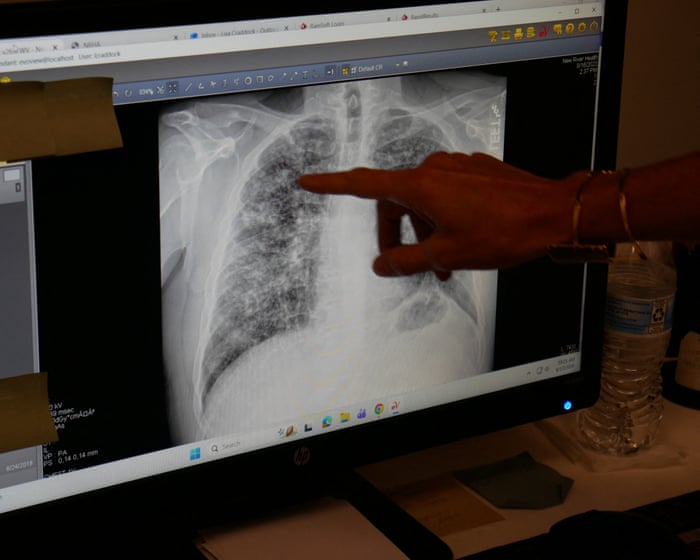
Silicosis, a preventable lung disease caused by crystalline silica dust, is increasingly affecting younger workers in the coal mining and countertop fabrication industries. While public health experts advocate for stricter exposure limits, new safety rules face legal challenges from industry groups. Recent studies indicate that one in three coal miners in central Appalachia now has black lung disease, while hundreds of countertop workers in California have been diagnosed with silicosis.
By the numbers
Regulatory Challenges in Mining
The Mine Safety and Health Administration (MSHA) introduced a 2024 rule to reduce silica dust exposure limits for miners. However, industry groups, including the National Stone, Sand & Gravel Association (NSSGA) and the American Exploration & Mining Association (AEMA), challenged the rule in court. While the NSSGA cited concerns over air sampling and medical surveillance requirements, the AEMA argued the rule is inflexible and could undermine safety by restricting the use of personal protective equipment.
The Crisis in Countertop Fabrication
Countertop workers face risks from cutting engineered stone, which can contain up to 90% silica. Epidemiologist David Michaels noted that even with compliance, the product may be inherently unsafe. In California, where nearly 600 cases have been identified, state regulators have initiated a rulemaking process to ban artificial stone products containing more than 1% crystalline silica. Meanwhile, some federal lawmakers are pushing legislation that would protect stone manufacturers from litigation brought by sick workers.
Timeline
- 1995NIOSH recommended implementation of a silica dust exposure rule for coal miners.
- 2016OSHA implemented a rule to protect countertop fabrication workers.
- 2024MSHA passed a new rule to address silica dust hazards in mines.
Advertisement
This article was independently rewritten by ManyPress editorial AI from reporting originally published by The Guardian Health.