Researchers have discovered a lymphatic drainage route in the back of the eye that may help clear fluid and waste, potentially offering new targets for treating vision-loss conditions.
Key facts
- •The POLO pathway was identified by researchers at the University of British Columbia and the University of Toronto.
- •The findings were published in the journal Translational Vision Science & Technology.
- •Researchers used MRI and fluorescence imaging in mice to trace fluid movement from the eye to lymph nodes.
- •The discovery contradicts the long-held belief that the eye lacked lymphatic drainage systems.
- •Age-related macular degeneration affects approximately 2.5 million Canadians.
A research team from the University of British Columbia and the University of Toronto has identified a previously unknown drainage route in the back of the eye called the posterior ocular lymphatic outflow, or POLO pathway. This system allows fluid and waste to exit the eye and enter the body's lymphatic network. The discovery, demonstrated in mice, challenges long-standing assumptions that the eye lacked such drainage systems.
Discovery of the POLO Pathway
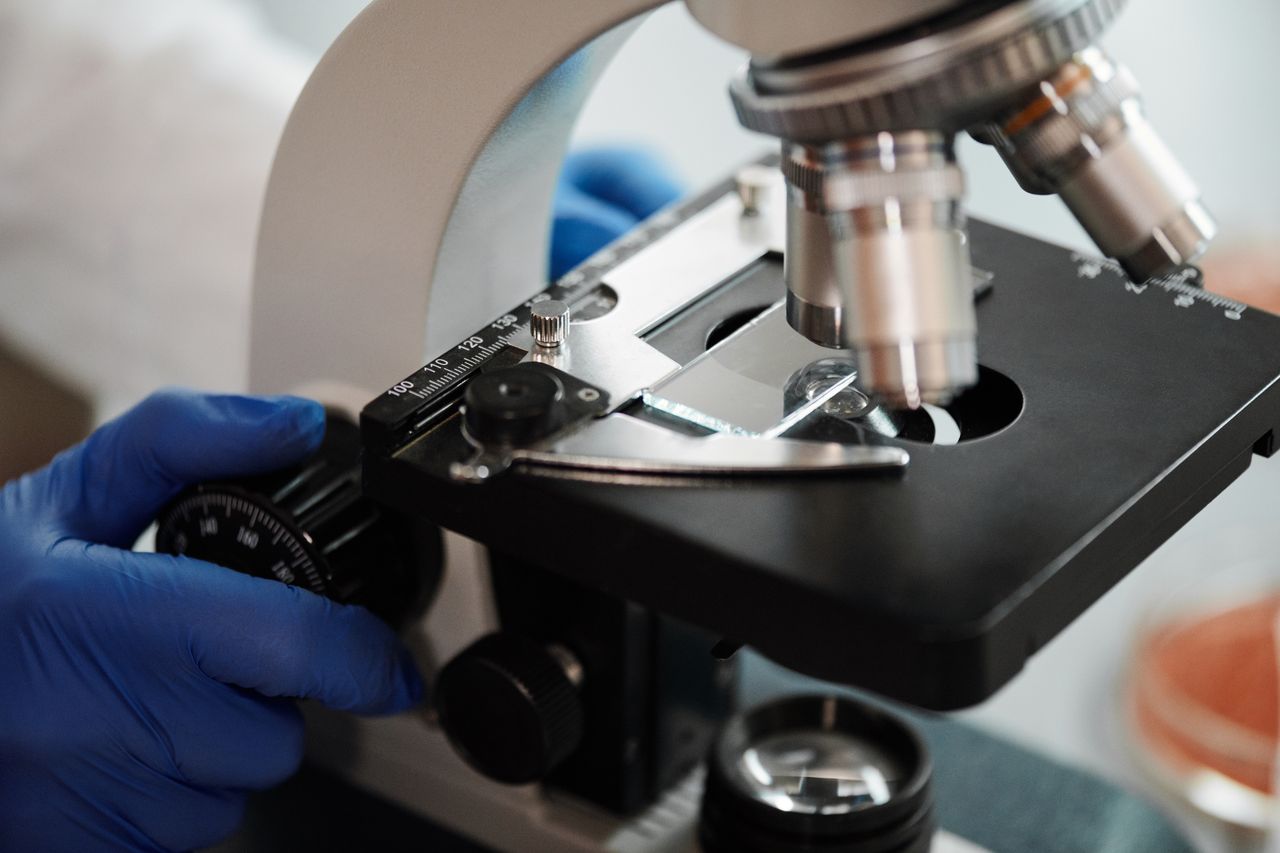
Using advanced imaging techniques including MRI and near-infrared fluorescence, researchers tracked fluorescent tracer molecules in mice to observe how fluid leaves the rear of the eye. They identified tiny lymphatic vessels in the choroid, a layer beneath the retina, which transport fluid into surrounding orbital tissues and eventually to nearby lymph nodes. This confirms that the back of the eye is not a closed system but is connected to the body's broader lymphatic network.
Implications for Eye Disease
The accumulation of metabolic waste and fluid in the back of the eye is associated with serious conditions such as glaucoma and age-related macular degeneration. Researchers suggest that the POLO pathway may be critical for maintaining a healthy environment in the retina. Future studies will aim to determine if this system functions similarly in humans and whether it can be targeted to treat or prevent diseases caused by waste buildup.
Advertisement
This article was independently rewritten by ManyPress editorial AI from reporting originally published by ScienceDaily.