Researchers have demonstrated that nanosecond ultraviolet laser pulses can modify specific defects in diamond without disturbing existing nitrogen-vacancy centers.
Key facts
- •Researchers used 266-nanometer ultraviolet laser pulses to modify defects in single-crystal CVD diamond.
- •The laser treatment created new emission features at 563 nanometers and 579 nanometers, linked to carbon self-interstitials.
- •Preexisting nitrogen-vacancy (NV) centers remained largely unaffected by the laser irradiation.
- •The study suggests that optical excitation can drive complex defect transformations rather than simple, one-way defect creation.
- •The research aims to develop methods for selectively engineering diamond materials for quantum computing and sensing applications.
A study published in the journal Diamond and Related Materials demonstrates that 266-nanometer ultraviolet laser pulses can selectively engineer defects within single-crystal chemical vapor deposition (CVD) diamond. By applying nanosecond pulses to localized regions, researchers successfully modified specific defect populations while leaving preexisting nitrogen-vacancy (NV) centers—which are critical for quantum technologies—largely intact.
By the numbers
Methodology and Characterization
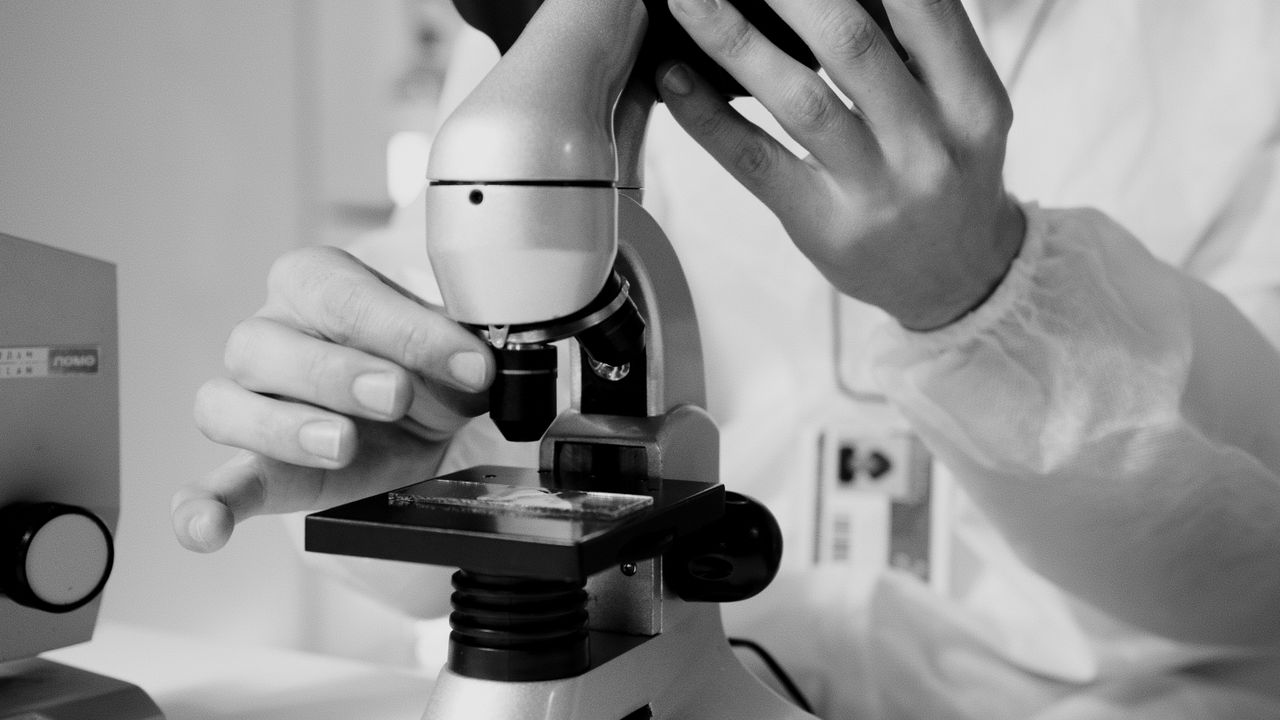
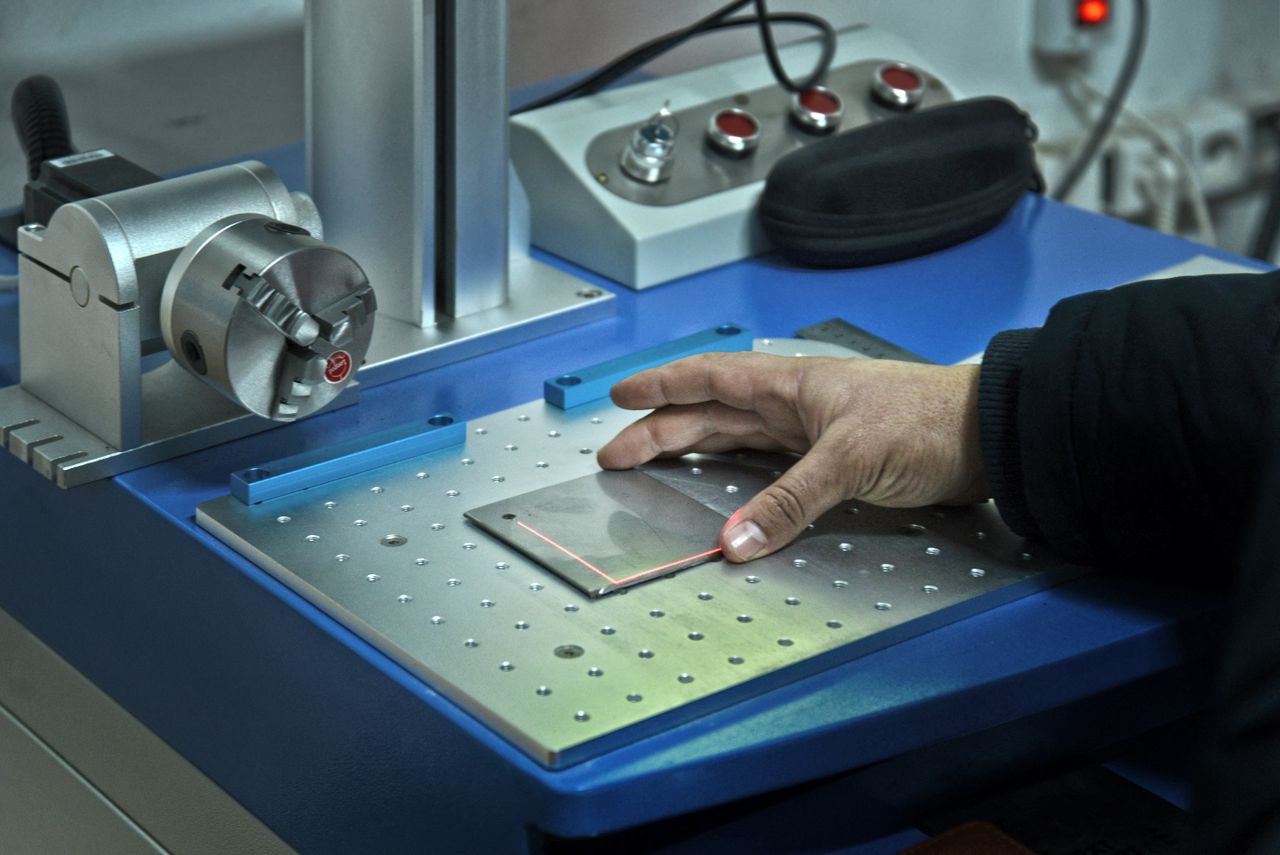
To ensure the observed defects were created by the laser rather than being inherent to the material, the research team first characterized the pristine diamond using confocal photoluminescence spectroscopy, ultraviolet-visible absorption spectroscopy, and Fourier-transform infrared spectroscopy. These measurements confirmed that the low-nitrogen CVD diamond contained only a small concentration of substitutional nitrogen. The team then irradiated the crystal with 266-nanometer pulses, each lasting a few nanoseconds, to target specific regions without heating the entire sample.
Observations of Defect Modification
Following irradiation, the team observed new emission features near 563 nanometers and 579 nanometers, which are associated with carbon self-interstitial defects. Crucially, the optical signals of the existing NV centers remained stable, demonstrating that the laser could alter one part of the defect landscape without affecting others. The researchers noted that the 563-nanometer emission did not increase indefinitely with further exposure, suggesting that the laser can drive complex defect transformations rather than simple, one-way creation.
Implications for Quantum Technology
While the exact atomic-scale mechanisms behind these transformations remain under investigation, the results suggest that sub-bandgap ultraviolet photons may induce energy transfer to the lattice, promoting the rearrangement of carbon atoms. The researchers emphasize that this technique represents a materials-engineering concept that could eventually allow for the deliberate design of diamond defect landscapes. Future work will focus on connecting specific laser parameters to these transformations to improve control and reproducibility.
Advertisement
This article was independently rewritten by ManyPress editorial AI from reporting originally published by Phys.org.