A study from Maastricht University Medical Center suggests that daily intake of unsalted, skin-roasted peanuts can benefit brain insulin responsiveness in adults aged 60 to 75.
Key facts
- •The study involved 31 healthy adults between the ages of 60 and 75.
- •Participants consumed 60 grams (approximately 2.1 ounces) of unsalted, skin-roasted peanuts daily.
- •Improved insulin responsiveness was observed in the right hemisphere, including the hippocampus and lingual gyrus.
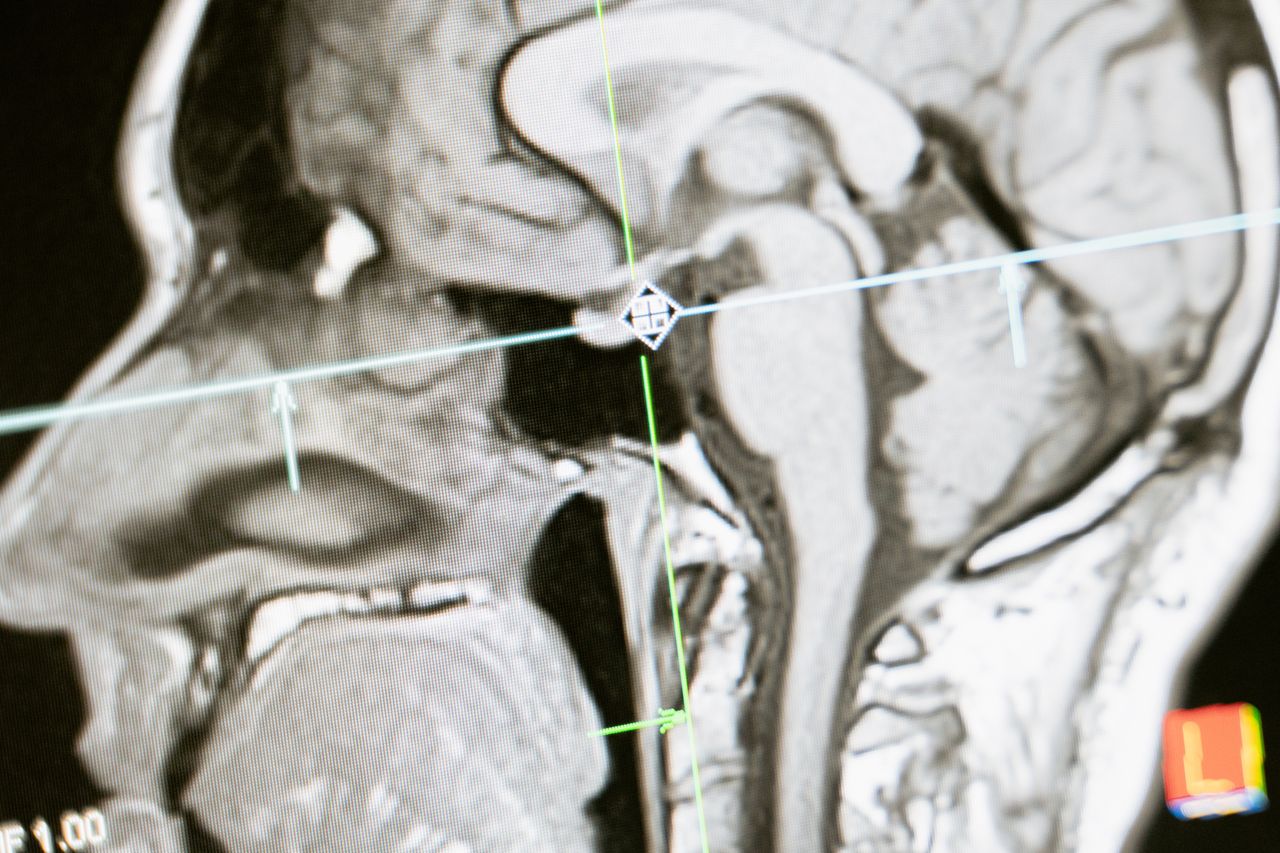
- •Researchers utilized arterial spin labeling magnetic resonance imaging to monitor brain health.
- •The study was a randomized, controlled crossover trial conducted at Maastricht University Medical Center.
Researchers at the Institute of Nutrition and Translational Research in Metabolism (NUTRIM) at Maastricht University Medical Center have found that daily consumption of unsalted, skin-roasted peanuts improves brain insulin responsiveness in older adults. The study, published in Food & Function, involved a 16-week randomized, controlled crossover trial with 31 healthy participants aged 60 to 75.
By the numbers
Study Methodology and Findings
Participants consumed 60 grams of peanuts daily during the intervention period, while avoiding them during the control period. Researchers used arterial spin labeling magnetic resonance imaging (ASL-MRI) to assess brain insulin responsiveness by measuring changes in regional cerebral blood flow after intranasal insulin administration. The results showed improved responsiveness in a cluster in the right hemisphere, including the hippocampus, lingual gyrus, and posterior cingulate gyrus—regions critical for memory.
Potential Mechanisms for Cognitive Benefits
Dr. Peter Joris, the study's senior author, noted that insulin acts as a vital signaling molecule in the brain, supporting nerve cell survival and communication. As the brain becomes less responsive to insulin with age, this decline is linked to cognitive impairment. Peanuts contain various nutrients, including unsaturated fats, fiber, vitamins, minerals, and bioactive phytochemicals, that may contribute to these observed benefits. Specifically, peanuts are rich in L-arginine, a precursor to nitric oxide, which is associated with facilitating learning and memory performance.
Previous Research and Funding
This research builds on findings published in 2025 in Clinical Nutrition, where a 16-week peanut intervention was shown to increase global cerebral blood flow by 3.6% and verbal memory by 5.8%. The current study was led by doctoral candidate Lucia Kerkhof and supported by funding from The Peanut Institute Foundation. The study authors stated that the funder had no role in the design, implementation, analysis, or interpretation of the data.
Advertisement
This article was independently rewritten by ManyPress editorial AI from reporting originally published by Medical Xpress.