A study of over 20,000 suicide deaths in Australia reveals that men in manual, physically demanding occupations face significantly higher suicide risks than those in other roles.
Key facts
- •The study analyzed more than 20,000 suicide deaths among employed Australians between 2001 and 2022.
- •Male construction and mining laborers had suicide rates three to four times higher than most other occupational groups.
- •Only six occupational groups, primarily in specialized professional roles, showed meaningful declines in suicide rates over the study period.
- •High-risk occupations often feature hazardous environments, long hours, and limited control over work tasks.
- •Researchers advocate for industry-specific interventions, citing programs like MATES in Construction as examples of effective peer-led support.
A national study conducted by RMIT University and the University of Melbourne analyzed suicide deaths among employed Australians aged 15–64 between 2001 and 2022. The research found that blue-collar male workers, particularly in construction and mining, are substantially overrepresented in suicide statistics. These findings highlight a persistent pattern of occupation-specific risk that has shown little improvement over the past two decades.
High-Risk Occupational Factors
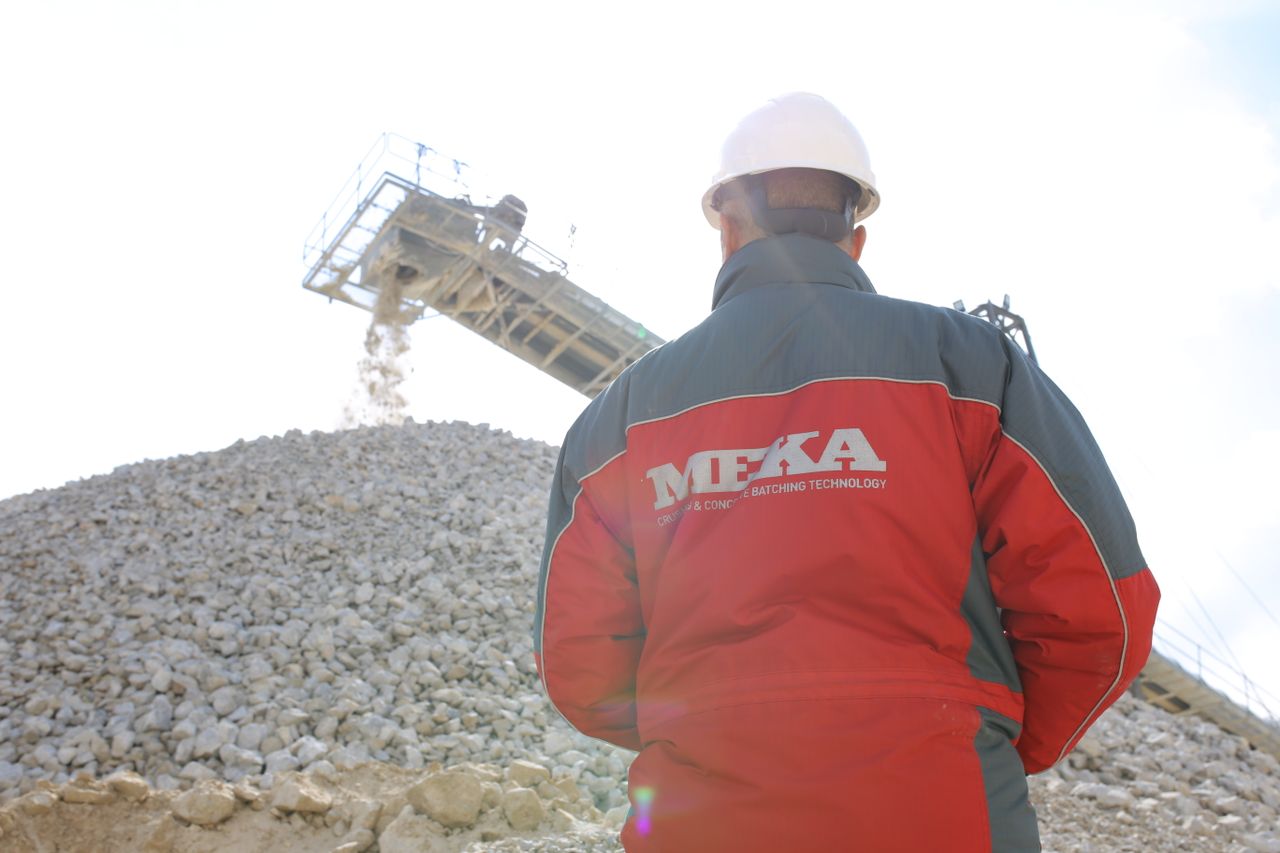
The study identified that roles involving manual labor, physical strain, and hazardous environments are associated with higher suicide rates. Male workers in construction and mining experienced suicide rates three to four times higher than most other occupational groups. Other high-risk roles for men include machine and plant operators, farm and forestry workers, and automotive and engineering trades.
Gender Differences in Risk
While men face higher overall suicide rates, the study noted distinct patterns for women. Women in health professions, automotive and engineering trades, and mobile plant operations faced more than double the suicide risk compared to women in other occupations. Unlike the male data, the pattern of higher risk among manual frontline workers did not consistently apply to women.
Need for Structural Reform
Researchers emphasized that suicide risk is linked to systemic workplace conditions, such as long hours, limited autonomy, and poor safety. While some professional groups saw declines in suicide rates, many high-risk industries have remained stagnant for 20 years. Experts suggest that industry-level reforms, including better job security and peer-led support programs, are necessary to reduce these risks.
Timeline
- 2001–2022The study period for analyzing suicide deaths among employed Australians aged 15–64.
- Past two decadesThe period during which researchers observed little meaningful improvement in suicide rates for high-risk occupational groups.
- Past decadeThe period during which national suicide rates remained relatively unchanged despite declines in six specific occupational groups.
Advertisement
This article was independently rewritten by ManyPress editorial AI from reporting originally published by Medical Xpress.