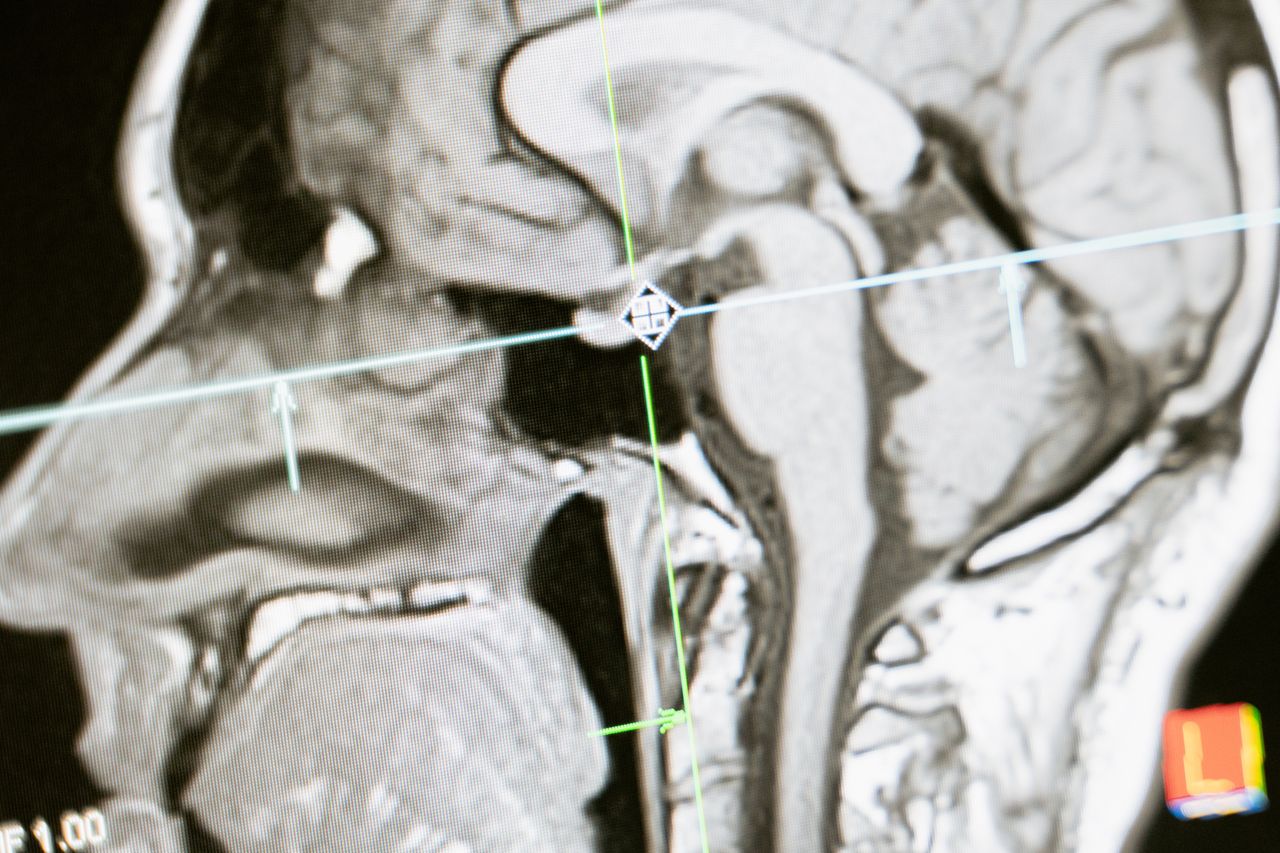
Researchers discovered that hippocampal neurons represent word meanings through activity patterns that align with numerical representations used in large language models.
Key facts
- •The study was published in the journal Nature Neuroscience in 2026.
- •Researchers recorded neural activity from 10 patients undergoing clinical monitoring for epilepsy.
- •The findings suggest that hippocampal neurons encode semantics through distributed population activity rather than individual cell responses.
- •Neural population activity showed the strongest alignment with GPT-2 language model embeddings.
- •The study indicates that semantic encoding in the hippocampus is highly contextualized, reflecting how word meanings shift based on usage.
Researchers from Baylor College of Medicine, Rice University, the University of California, Berkeley, and Texas Children's Hospital have identified how hippocampal neurons encode word meanings during language comprehension. By recording brain activity from 10 epilepsy patients listening to stories, the team found that semantic information is represented through distributed activity patterns across groups of neurons in the hippocampus, a brain region traditionally associated with memory.
Methodology and Neural Encoding
The study utilized tiny wire electrodes implanted in the brains of 10 participants during clinical epilepsy monitoring to record individual neuron activity while they listened to narrative speech. Researchers applied mathematical models to analyze the relationship between the spoken language and the recorded neural responses. They found that hippocampal neurons exhibit complex selectivities, responding to multiple words across various semantic categories even after accounting for phonemic and grammatical factors.
Comparison with Language Models
To further understand these patterns, the team compared recorded brain activity with numerical word representations generated by large language models (LLMs) processing the same stories. The study revealed that the distance between neural population responses correlated with the semantic distance between words, a pattern similar to the embedding vectors used in LLMs. Furthermore, the researchers observed that neural activity aligned closely with GPT-2 embeddings and that variations in response patterns were linked to LLM-derived measures of polysemy, which track how words hold multiple related meanings.
Advertisement
This article was independently rewritten by ManyPress editorial AI from reporting originally published by Medical Xpress.