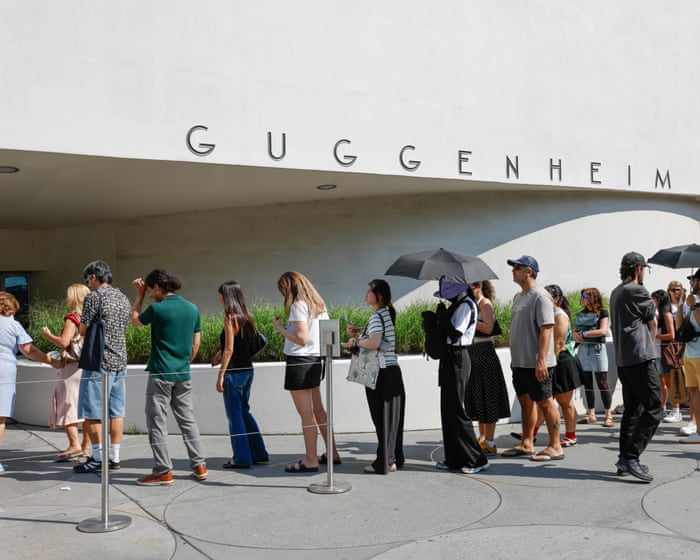
New research suggests that older adults who regularly visit museums, theaters, and cinemas may exhibit a lower physiological age compared to those who participate less frequently.
Key facts
- •Participants who engaged in cultural activities every few months had an average physiological age about 3 years younger than those who did not.
- •The study measured physiological age against actual ages of 68.7 and 70.3 years for the respective groups.
- •Researchers noted that the most engaged participants were more likely to be female, employed, and have higher incomes.
- •The study authors acknowledged the possibility of reverse causation, where healthier individuals are more capable of participating in cultural events.
- •The findings are consistent with a 2006 U.S. study that found positive health effects from community-based arts programs.
A recent study indicates that older adults who frequently attend cultural events, such as movies, museum exhibits, and theater performances, may have a lower physiological age. Researchers found that individuals who engaged in these activities at least every few months functioned as if they were roughly three years younger than their less-engaged counterparts, despite similar chronological ages.
By the numbers
Study Findings and Methodology
The study compared the physiological ages of participants based on their frequency of attendance at cinemas, museums, art galleries, theaters, concerts, and operas. Those who participated at least every few months had an average physiological age of 66.9 years, while those who engaged less often averaged 69.9 years. The actual average ages of these two groups were 68.7 and 70.3, respectively.
Potential Benefits and Limitations
Researchers suggest that cultural engagement may improve mental and social well-being, reduce psychological distress, and foster social ties, all of which are linked to slower physiological aging. However, the authors caution that the findings do not prove cause and effect. They noted that healthier individuals may simply have more energy to participate in such activities, and that the most engaged participants were more likely to be employed, have higher incomes, and be female.
Institutional Programming for Older Adults
Cultural institutions, such as the High Museum of Art in Atlanta, offer programming specifically for adults aged 50 and older. Andrew Westover, the museum's director of learning and civic engagement, stated that these programs encourage curiosity and social connection. Participants have reported feeling more connected to themselves and others through these shared experiences.
Advertisement
This article was independently rewritten by ManyPress editorial AI from reporting originally published by Healthline.