Experts explain that maintaining skin health relies on a simple, consistent routine rather than complex, multi-step regimens.
Key facts
- •The skin's primary function is to act as a barrier against external harm.
- •Topical antioxidants help neutralize unstable molecules that can damage DNA and natural skin oils.
- •The natural process of skin cell regeneration slows down as people age, which can make skin drier.
- •Healthy skin is defined by experts as comfortable and functional skin.
- •Prescription retinoids and lasers are medical treatments for concerns beyond the scope of over-the-counter products.
Dermatologists and cosmetic chemists emphasize that effective skin care is straightforward, focusing on protecting the skin's natural barrier rather than using numerous products. Experts suggest that consistency and a simple regimen tailored to an individual's skin type are more important than complex routines. The primary goals of skin care are to maintain the skin's function as a protective barrier, regulate temperature, and support vitamin D production.
Essential Skin Care Practices
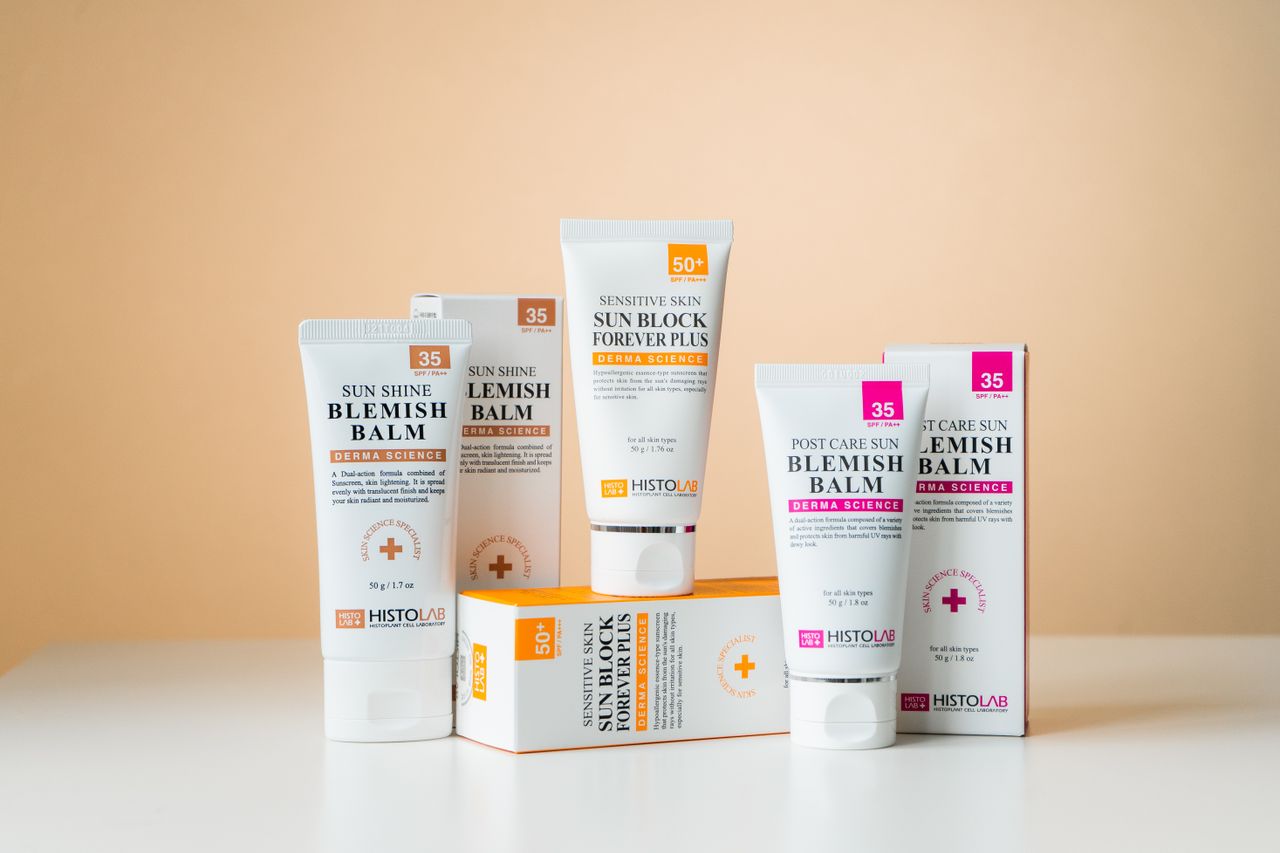
According to Dr. Saranya Wyles of the Mayo Clinic, the two most critical components of skin health are keeping the skin moisturized and protecting it from UV rays using sunscreen. Experts also recommend using a gentle cleanser that does not strip away natural oils. Sun protection extends beyond sunscreen to include wearing hats and protective clothing, as well as avoiding exposure during peak UV hours.
Optional Ingredients and Advanced Treatments
While not essential, experts note that antioxidants like vitamins C and E, green tea, and niacinamide can help neutralize free radicals caused by UV damage and pollution. Exfoliants, such as alpha hydroxy acids like glycolic or lactic acid, can assist in shedding old skin cells. For concerns like deep wrinkles or significant hyperpigmentation, dermatologists may recommend medical treatments such as prescription retinoids or lasers.
Managing Expectations
Dr. Michelle Henry of Weill Cornell Medical College warns that many complex, multi-step routines are driven by marketing rather than medical necessity. She notes that skin care has limits and that healthy skin is defined by its comfort and functionality rather than the absence of wrinkles. Dr. Henry emphasizes that healthy skin does not need to meet an artificial aesthetic ideal to be considered functional.
Advertisement
This article was independently rewritten by ManyPress editorial AI from reporting originally published by NPR Health.