A University of Sussex researcher argues that human culture functions as a distinct, self-perpetuating form of life that has shaped human evolution.
Key facts
- •Athanasios the Athonite established a tradition of chanting on Mount Athos in AD963 that continues today.
- •Cultural evolution began to overtake genetic evolution as a primary force about 2.6 million years ago.
- •Language enabled the transmission of complex cultural information with greater fidelity than visual imitation.
- •The author identifies the emergence of self-coding machines as a potential third form of life.
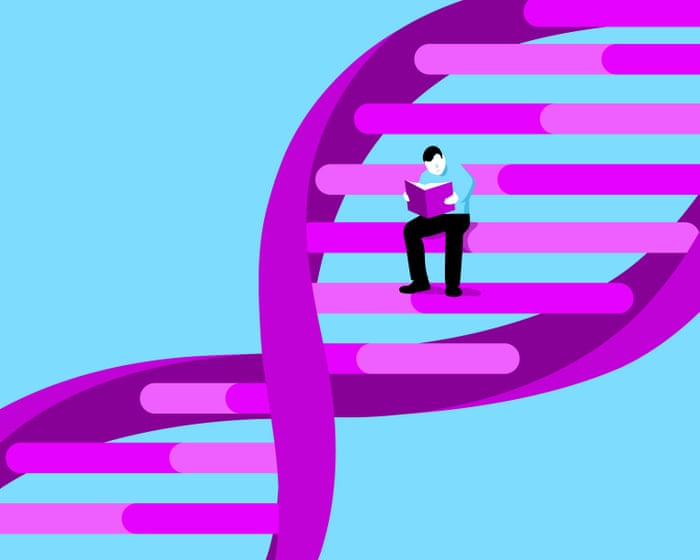
Jonathan Loh, an honorary fellow at the University of Sussex, posits that cultural traditions share fundamental properties with biological organisms. He argues that culture is not merely an add-on to organic life but a separate expression of life that encodes, processes, and transmits information. This process, which began millions of years ago, has become a primary force in shaping human evolution.
Culture as a Biological Force
Loh suggests that culture functions similarly to DNA, where information is transmitted across generations to ensure survival. While biological evolution relies on genes, cultural evolution relies on social learning. This phenomenon is observed in other species, such as chimpanzees in West Africa that use specific tools like rocks for cracking nuts or moss as sponges, demonstrating that distinct populations develop their own unique behaviors.
The Co-evolution of Brains and Language
As the Earth experienced ice ages beginning approximately 2.6 million years ago, culture began to influence hominin evolution. The development of tools and the control of fire allowed for dietary changes that led to physical shifts, such as the shrinking of jaws and guts. Simultaneously, human brains expanded to better acquire and store cultural information. The emergence of language acted as a catalyst, allowing for the faster and more accurate transmission of skills and techniques.
A Potential Third Phase of Life
The author suggests that life on Earth has evolved in two phases: biological and cultural. He proposes that we may be entering a third phase characterized by machines capable of writing their own code. This emergence of self-perpetuating information represents a potential new mode of evolution, marking a significant juncture in history.
Advertisement
This article was independently rewritten by ManyPress editorial AI from reporting originally published by Guardian Science.