While double-dipping transfers mouth bacteria into shared food, experts suggest it is a lower health risk than poor hand hygiene.
Key facts
- •Double-dipping transfers mouth bacteria into shared dips, with studies showing salsa is particularly prone to contamination.
- •Most individuals have mouth bacteria that can resist the introduction of microbes from others.
- •The risk of illness from double-dipping is considered low for the general population.
- •Poor hand hygiene is a more significant health concern than double-dipping.
- •Pathogens like Salmonella and norovirus are more likely to spread through contaminated hands than through mouth-to-food contact.
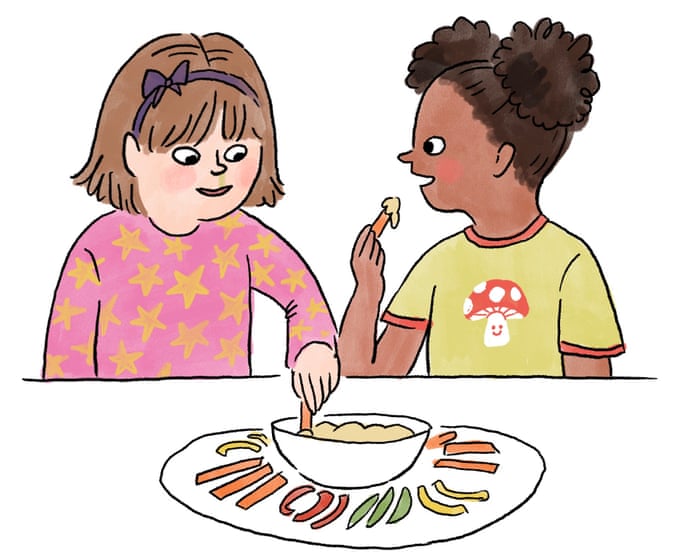
Double-dipping, the practice of biting a piece of food and returning it to a communal dip, does result in the transfer of bacteria from the mouth to the food source. Prof John Tregoning, author of 'Live Forever? A Curious Scientist’s Guide to Wellness, Ageing and Death', notes that studies testing salsa, chocolate sauce, and cheese dip confirmed this bacterial transmission.
Risk of illness
Despite the transfer of bacteria, Tregoning suggests that the risk of becoming ill from double-dipping is low for most people, as individuals already possess their own stable mouth bacteria capable of fighting off external microbes. The risk may be higher for those who are severely immunocompromised or have recently taken antibiotics, though such infections remain rare.
Hand hygiene concerns
Tregoning emphasizes that bacteria transferred via hands pose a greater health concern than mouth bacteria. Research on shared foods like popcorn indicates cross-contamination from fingers, and pathogens such as Salmonella or norovirus—which cause vomiting and diarrhea—are more likely to be transmitted through poor hand hygiene during food preparation.
Advertisement
This article was independently rewritten by ManyPress editorial AI from reporting originally published by The Guardian Health.