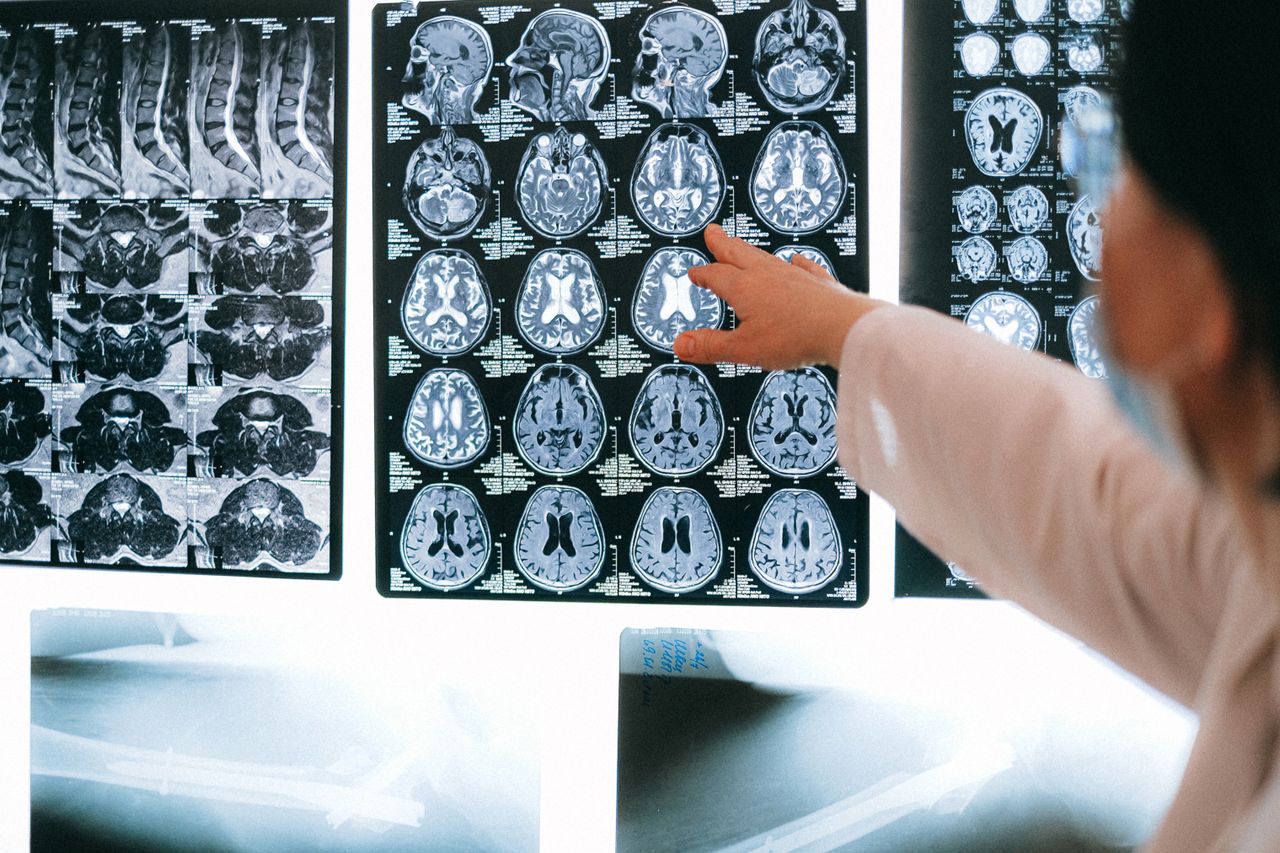
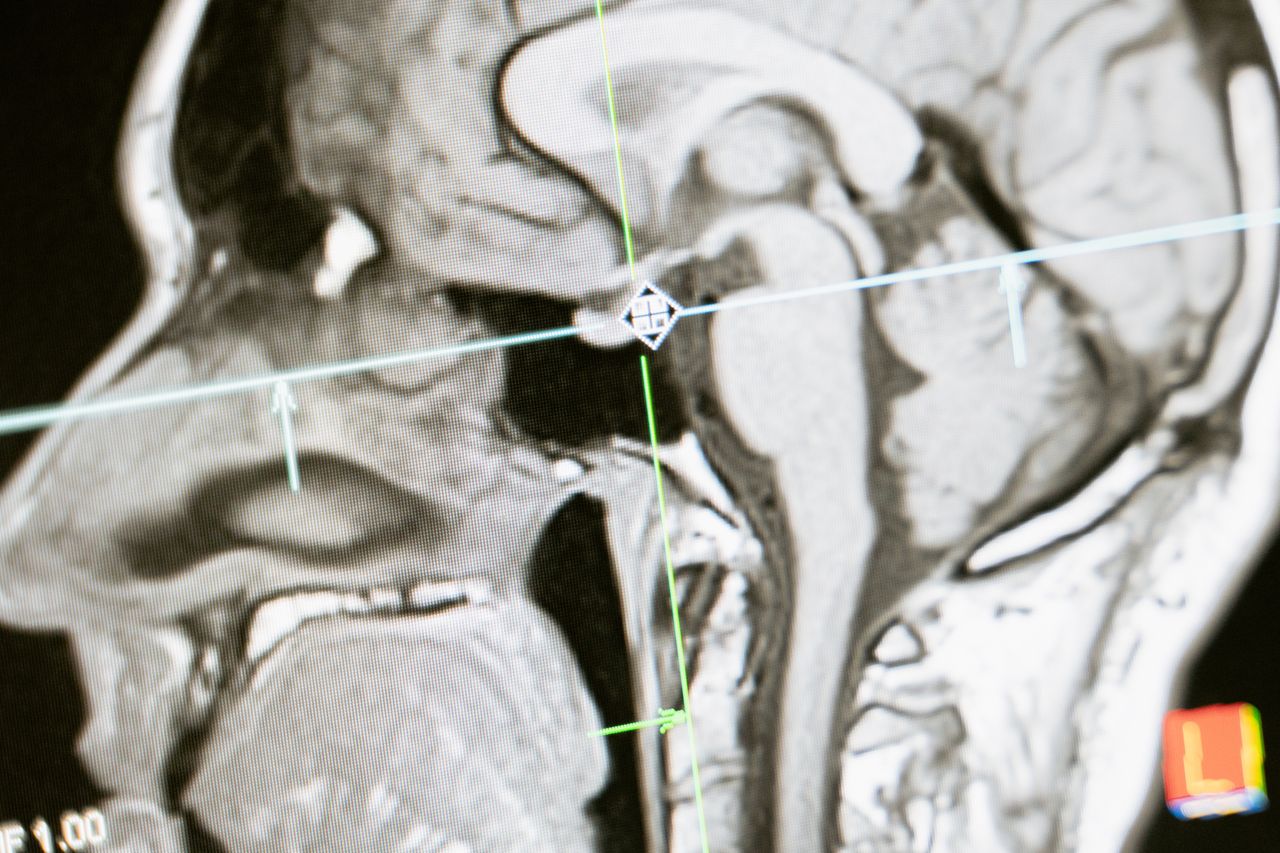
New research indicates that hormone therapy may help manage menopause-related brain fog and mood changes, while recent findings suggest no link to increased dementia risk.

Key facts
- •Brain fog symptoms include memory lapses, difficulty concentrating, and slower thinking.
- •The study on estriol and progesterone involved 20 participants with an average age of 53.
- •Mood disturbances like depression and anxiety affect up to 68% of women during menopause.
- •The study on mood changes included 260 individuals with an average age of 52.
- •The FDA previously included black box warnings on MHT products citing risks like cancer and dementia.
Recent studies suggest that menopause hormone therapy (MHT) may help improve cognitive symptoms like brain fog and mood disturbances. Research published in September indicates potential benefits for these conditions, while a separate meta-analysis found no evidence that MHT increases the risk of dementia. These findings follow the FDA's removal of previous black box warnings regarding hormone therapy risks.
By the numbers
Addressing Cognitive and Mood Symptoms
A study published September 1 in Scientific Reports found that an estrogen treatment combining estriol and progesterone may help ease brain fog, which affects approximately two-thirds of women during the menopausal transition. The observational case series followed 20 women for 12 months. Separately, a study published September 9 in the journal Menopause examined 260 individuals and found that hormone therapy significantly reduced severe mood symptoms, with the percentage of participants experiencing such symptoms dropping from 62.3% to 24.6% over an average follow-up of 4.5 months.
Reassessing Dementia Risk
Long-standing concerns regarding MHT and dementia risk have been challenged by a meta-analysis commissioned by the World Health Organization and published in The Lancet Healthy Longevity. The study, which included data from over one million women, concluded that hormone therapy neither increases nor decreases the risk of dementia. Researchers noted that this evidence is intended to help inform future World Health Organization guidelines regarding cognitive decline.
Advertisement
This article was independently rewritten by ManyPress editorial AI from reporting originally published by Healthline.