Thousands of unaccompanied minors are living on the streets of Ceuta, Spain, as local reception facilities reach extreme capacity and reports of sexual violence rise.
Key facts
- •Estimates indicate between 3,000 and 5,000 unaccompanied minors are currently living on the streets of Ceuta.
- •Police are investigating at least 15 suspected cases of rape, with officials suspecting the true figure is higher.
- •Ceuta's president, Juan Jesus Vivas, stated that reception facilities for minors are operating at 5,000% over capacity.
- •The Spanish government has announced plans to transfer minors to the mainland, but no concrete timeline has been established.
- •Some Spanish regions where the far-right Vox party is in government have refused to accept any migrants.
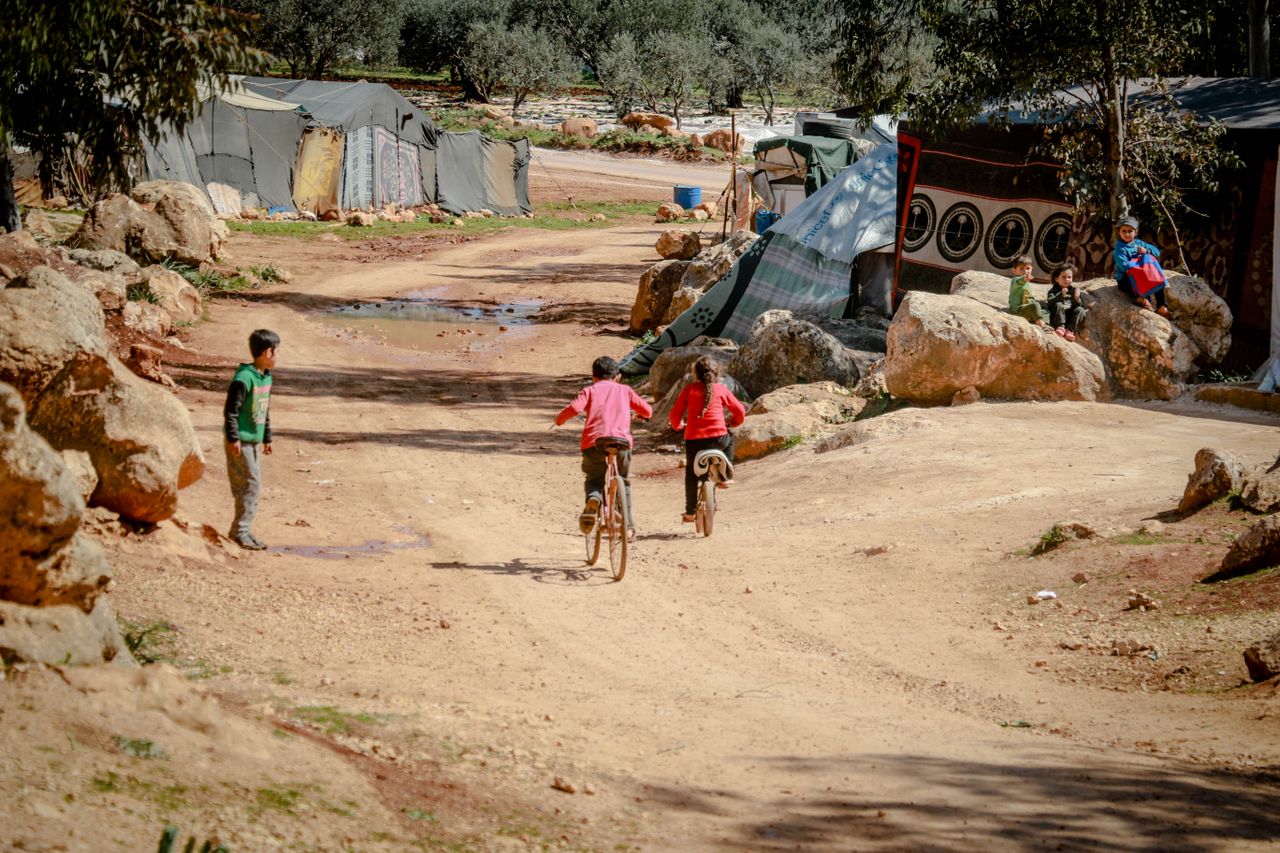
Thousands of unaccompanied minors are living in makeshift shelters in the Tarajal industrial park in the Spanish enclave of Ceuta. Estimates suggest between 3,000 and 5,000 minors are currently residing on the streets, as local reception facilities are unable to accommodate them. The situation has intensified following a mass border crossing from Morocco in late July.
By the numbers
Safety and Health Concerns
Living conditions are described as severe, with no access to toilets or adequate shelter. Migrants report difficulties accessing medical care for sick children. Furthermore, local authorities and medical professionals have raised alarms regarding the safety of young girls, noting a sharp increase in reports of sexual assault. Police are investigating at least 15 suspected rape cases, though officials believe the actual number is likely higher.
Political and Administrative Challenges
Ceuta's president, Juan Jesus Vivas, stated that reception facilities are operating at 5,000% over capacity, making it impossible to provide adequate care. Regional officials have requested additional support from the central government in Madrid, specifically calling for more police presence to protect the population. While the Spanish government has announced plans to transfer minors to the mainland, there is no set timeline, and several regions governed by the Vox party have refused to accept migrants.
Future Outlook and Perspectives
Despite the harsh conditions, many minors express a desire to remain in Ceuta rather than return to their home countries. Some, such as 14-year-old Amina, cite a desire for better educational opportunities and a different future. President Vivas has argued that the only viable solution is for minors to be reunited with their families or for Moroccan social services to assume responsibility for them.
Advertisement
This article was independently rewritten by ManyPress editorial AI from reporting originally published by Deutsche Welle.