As solo travel reaches record popularity, the tourism industry is slowly moving away from its traditional focus on double-occupancy pricing and design.
Key facts
- •Google reported in April 2026 that online searches for 'solo travel' reached an all-time high.
- •A 2026 Hilton trends report found that 26% of travelers planned to take a trip alone this year.
- •In 2025, 39.7 million Americans lived alone, representing 29% of all households.
- •A Mastercard survey of 15,000 consumers found that 39% of international travelers had already taken a trip alone.
- •Marketing researchers identified the solo consumer as an underserved market as early as 1992.
The travel industry is increasingly responding to a surge in solo travelers, with Google reporting record-high search interest in solo travel as of April 2026. While the sector has historically relied on double-occupancy models, companies are now experimenting with waiving single supplements and creating dedicated solo accommodations to better serve this growing demographic.
By the numbers
Shifting Pricing and Accommodation Models
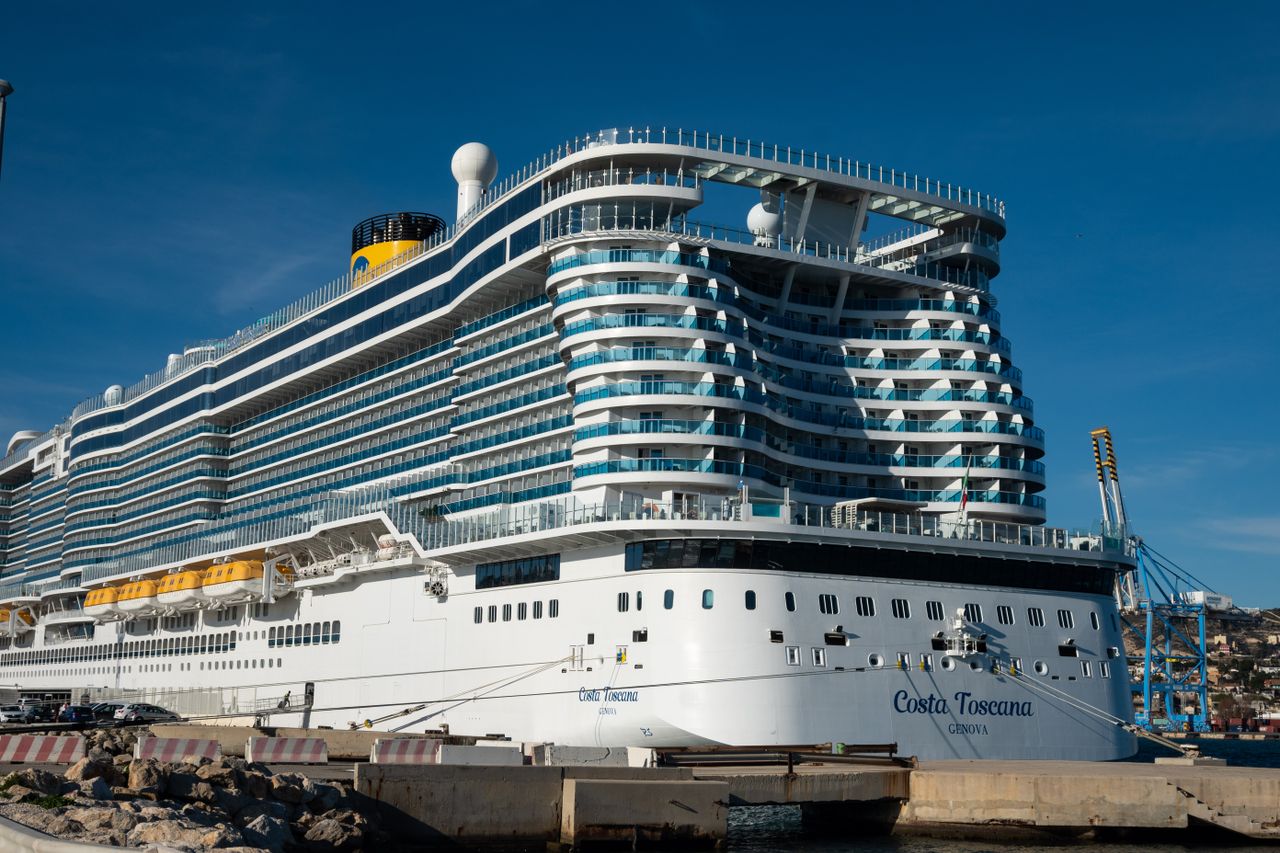
Many tour operators and cruise lines are beginning to adjust their pricing structures to accommodate solo travelers. For instance, Tauck has waived single supplements on select riverboat cabins and reduced them on land departures. Similarly, Aurora Expeditions has designated 10 solo cabins on each of its ships with no single supplement through 2027. Norwegian Cruise Line, which pioneered the concept in 2010 with its Studio staterooms, has expanded its solo categories across its 19-ship fleet, though some of these changes involve reclassifying existing double-occupancy rooms rather than new construction.
Designing for Solo Travelers
Industry experts note that simply discounting prices does not fully address the needs of solo travelers, who often seek social connection alongside independence. Research indicates that many solo travelers are interested in group experiences, yet marketing often continues to frame solo travel as an exceptional or solitary endeavor. Companies like Yotel have attempted to address this by building specific, smaller-footprint rooms designed for single occupancy, representing a shift toward purpose-built infrastructure rather than just repricing rooms designed for two.
Timeline
- 1992Marketing researchers identified the solo consumer as an underserved market.
- 2010Norwegian Cruise Line introduced Studio staterooms designed for one passenger.
- 2024Norwegian Cruise Line expanded its solo categories to its full 19-ship fleet.
- April 2026Google reported that online searches for 'solo travel' hit an all-time high.
Advertisement
This article was independently rewritten by ManyPress editorial AI from reporting originally published by Phys.org.