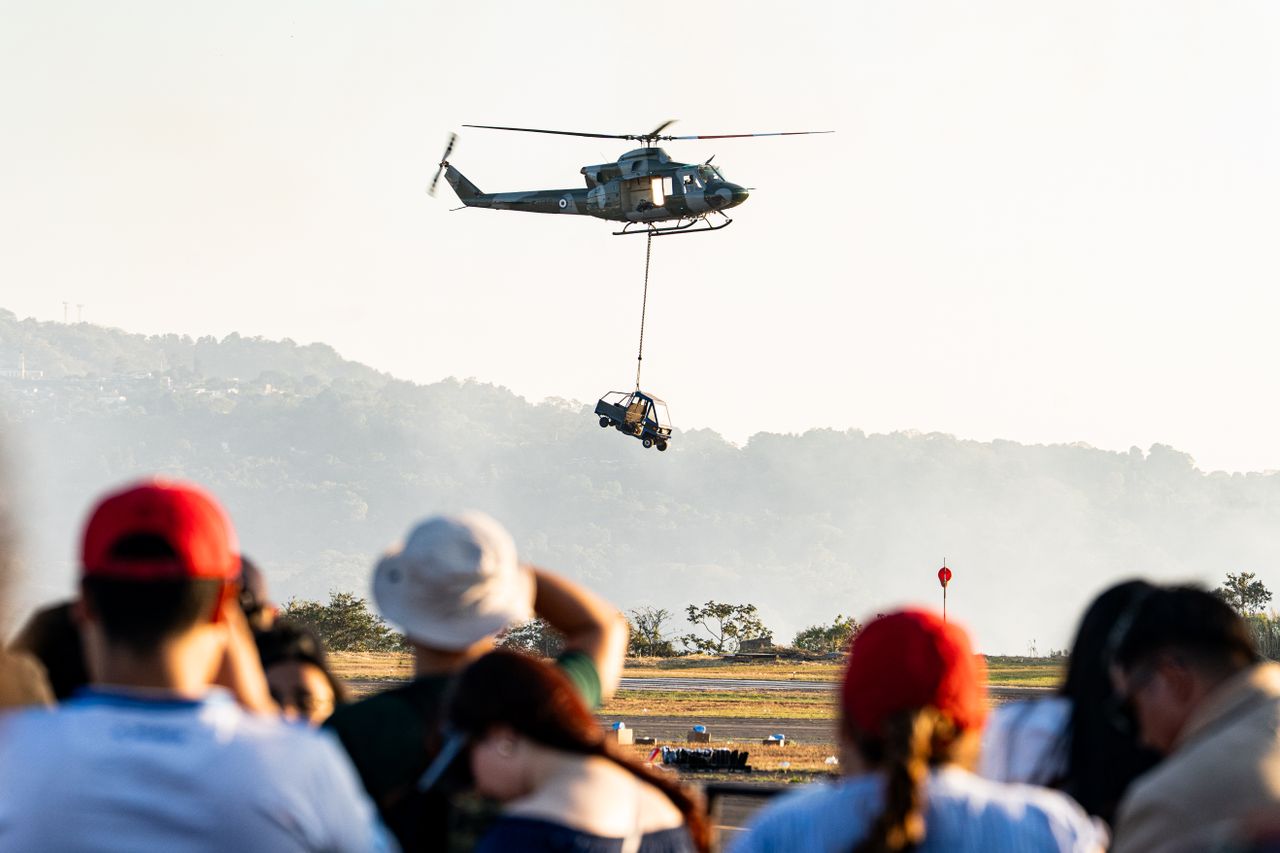
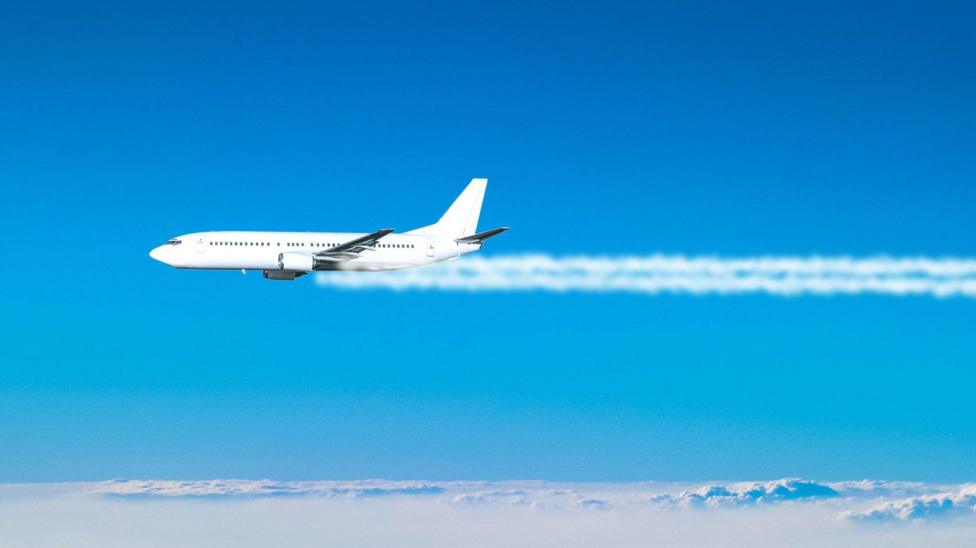
A new £5m UK project called Operation Blue Skies will test if AI can help aircraft avoid creating climate-warming contrails by adjusting flight altitudes.
Key facts
- •The UK government is contributing £2.65m to the project, while Google is providing £1.4m in resources.
- •Contrails are estimated to be responsible for roughly one-third of all aviation-related climate warming.
- •The trial will primarily involve altitude changes of about 2,000ft, a procedure already used for weather and turbulence avoidance.
- •Results from the project are expected to be published in academic literature for scientific review.
- •Aviation Minister Keir Mather described the project as a world-first initiative.
The 30-month Operation Blue Skies project is launching a trial to determine if AI can predict and mitigate the formation of contrails, which are icy clouds created by aircraft exhaust that trap heat in the atmosphere. The initiative involves a partnership between Google, the UK government, the Met Office, and the National Air Traffic Services (NATS). Testing will focus on the Shanwick Oceanic airspace in the North Atlantic, a region responsible for approximately 5% of global contrail warming.
By the numbers
How the Technology Works
Google will utilize satellite imagery and historical flight data to identify where contrails have formed previously. By combining this information with weather pattern forecasts, the project aims to predict the specific atmospheric conditions that cause persistent contrails. Air traffic controllers at NATS will then use this data to direct pilots to adjust their altitude by approximately 2,000 feet to avoid these areas.
Trial Scope and Environmental Impact
The trial will take place during selected evenings and nights in the winters of 2026-27 and 2027-28, with approximately 10,000 flights expected to pass through the target airspace. While adjusting altitude may increase fuel consumption by about 100kg per affected flight, project leads suggest the climate benefit of preventing a warming contrail outweighs the additional carbon emissions. Previous airline-level trials have indicated that such methods can reduce contrail formation or warming by 60-70%.
Advertisement
This article was independently rewritten by ManyPress editorial AI from reporting originally published by BBC Technology.