President Trump signed an executive order imposing a 15% tariff on polysilicon products to counter Chinese competition and boost domestic production.
Key facts
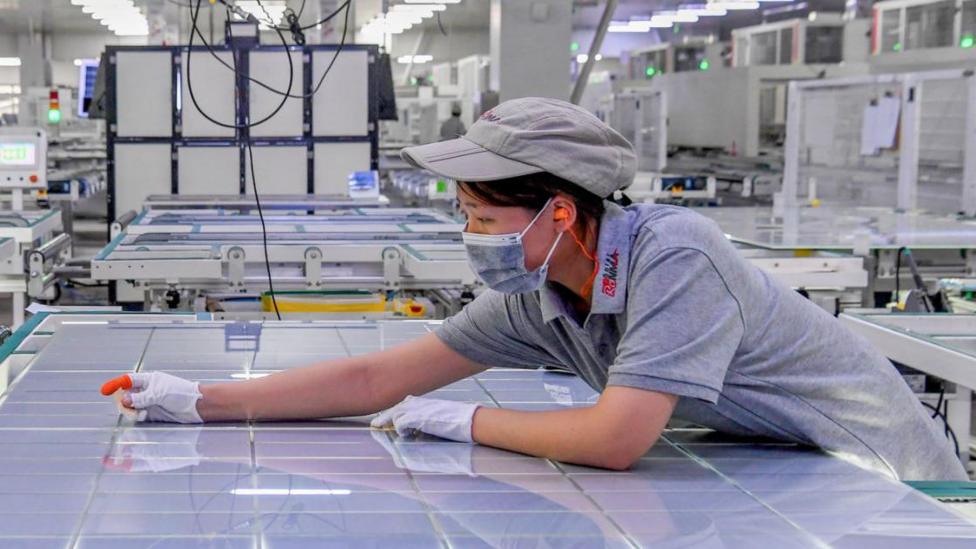
- •The 15% tariff applies to polysilicon and related products used in electronics and military equipment.
- •Secretary of Commerce Howard Lutnick recommended the tariff and minimum import prices.
- •China currently holds a near monopoly on the production of polysilicon.
- •The US and China have been engaged in a long-standing trade dispute involving technology supply chains.
- •The US share of global polysilicon production dropped from 50% in 2005 to under 2% in 2024.
US President Donald Trump signed an executive order on Thursday imposing a 15% tariff on imported products made from polysilicon, a material essential for semiconductors and solar panels. The order also establishes minimum import prices for these products following a national security investigation. The administration stated the move aims to protect US manufacturers from competition within China's chip industry.
By the numbers
Impact on Domestic Production
The executive order includes incentives designed to increase domestic production of polysilicon. President Trump noted that the US share of global polysilicon production declined from 50% in 2005 to less than 2% in 2024. The policy is expected to benefit major US-based producers, including Hemlock Semiconductor and Wacker Chemie.
Response from Beijing
The Chinese embassy in Washington criticized the decision, stating that it disrupts trade and abuses state power to target Chinese businesses. Beijing indicated it would take action to protect its companies. This development follows recent Chinese countermeasures, including tighter export controls on drones and a national security review of imported printers and copiers.
Advertisement
This article was independently rewritten by ManyPress editorial AI from reporting originally published by BBC Business.