
A review of how the 2001 film Zoolander accurately predicted current fashion sensibilities, including specific poses, clothing items, and industry issues.
Key facts
- •The 2001 film Zoolander is described as having predicted current fashion sensibilities despite being a flop sequel.
- •The 'Blue Steel' pose is linked to the later popularity of the 'duck face' on Instagram in the early 2010s.
- •The film featured a onesie, which became ubiquitous a decade later, partly due to One Direction.
- •Zoolander satirized the fashion industry's use of sweatshop labor in Malaysia, a problem noted as still existing 25 years later.
- •Donald Trump had a cameo in the film with the line: 'Without Derek Zoolander, male modelling wouldn’t be what it is today.'
The 2001 comedy film Zoolander has been identified as a cinematic Cassandra that correctly predicted themes and styles still prevalent in the fashion industry today. Despite mixed critical reception and a difficult US release date following the 9/11 attacks, the film’s absurdist humor anticipated specific cultural shifts. These include the rise of the 'duck face' pose, the ubiquity of onesies, and the ongoing controversy surrounding sweatshop labor.
Predicted social media aesthetics
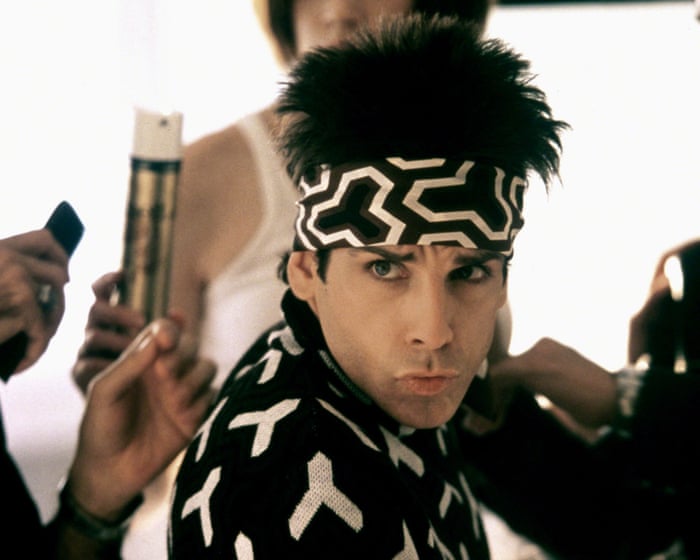
Derek Zoolander’s trademark 'Blue Steel' pose, characterized by a shocked stare and exaggerated pout, is cited as a precursor to the 'duck face' trend on social media. This look, derived from the Japanese term 'ahiru-guchi', gained traction on Instagram in the early 2010s. The article notes that modern cosmetic procedures like lip fillers and botox have further normalized this artificial facial morphing.
Clothing and industry satire
The film’s depiction of Zoolander wearing a penguin-covered onesie anticipated the item’s later ubiquity, which increased significantly after One Direction popularized them. Additionally, the movie satirized the fashion industry's cognitive dissonance regarding sweatshop labor in Malaysia, a issue that remains relevant 25 years later. The text also references Donald Trump’s cameo in the film, where he delivers a line praising male modeling.
Advertisement
This article was independently rewritten by ManyPress editorial AI from reporting originally published by The Guardian Fashion.

.jpg)
