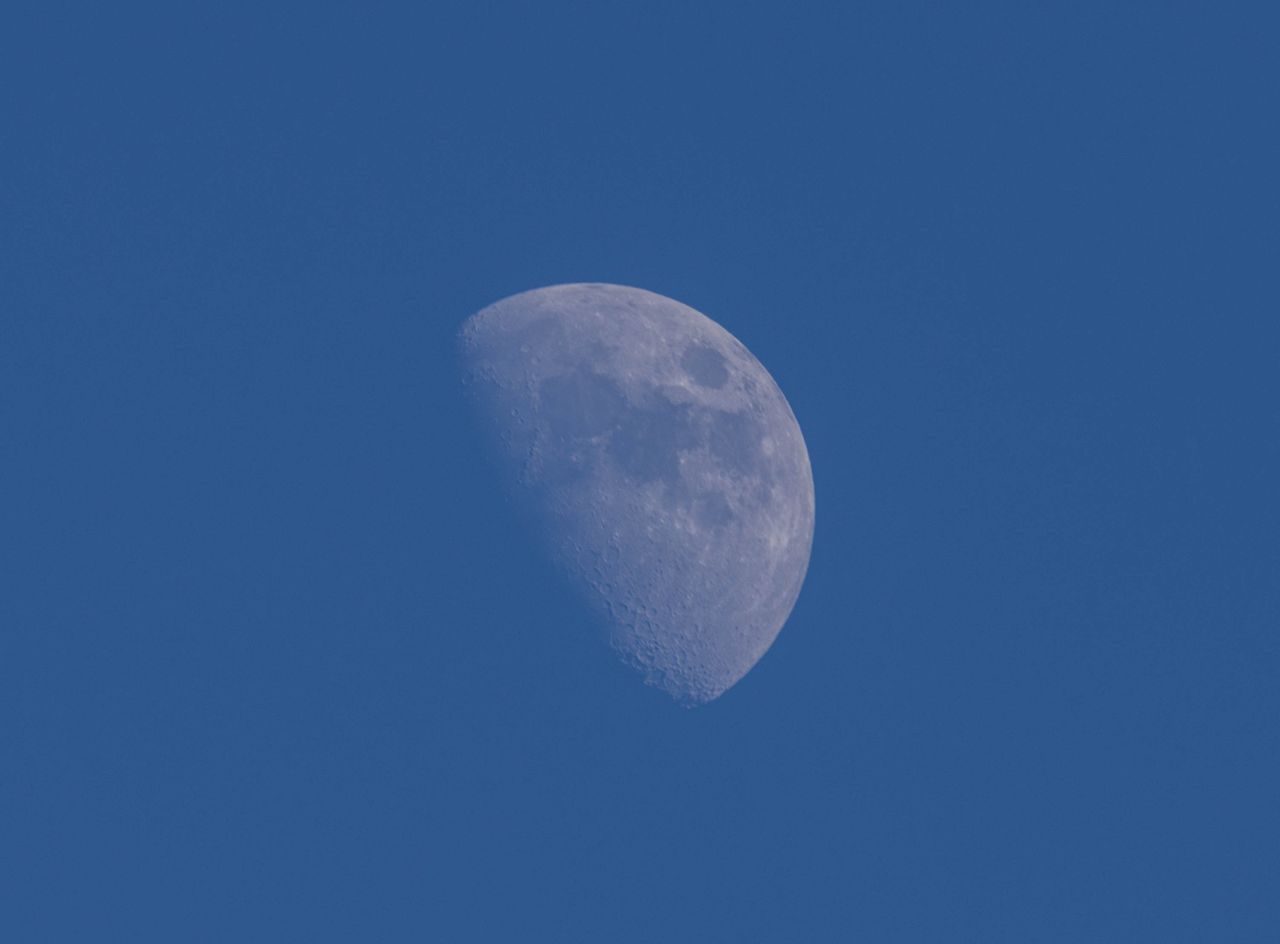
Skywatchers in the United States and Canada observed a rare lunar occultation of Venus on June 17, 2026.
Key facts
- •The June 17 event was visible to observers across the United States and parts of Canada.
- •A lunar occultation occurs when the Moon moves directly in front of a celestial object from Earth's viewpoint.
- •This was the first of three scheduled lunar occultations of Venus in 2026.
- •Future occultations are set for September 14 and November 7, 2026.
- •The September 14 event will be visible from Asia, Africa, Europe, and western Russia.
On Wednesday, June 17, 2026, residents across the United States and parts of Canada witnessed a daytime lunar occultation of Venus. This celestial event occurred when the Moon moved directly in front of the planet from the perspective of Earth, briefly obscuring it from view.
Understanding the Occultation
A lunar occultation takes place when the Moon passes between Earth and another celestial body, effectively hiding the object from sight. The June 17 event marked the first of three such occultations involving Venus scheduled to occur throughout 2026.
Upcoming Occultation Opportunities
Two additional opportunities to observe Venus disappearing behind the Moon will occur later this year. The next event is scheduled for September 14 and will be visible from parts of Asia, Africa, Europe, and western Russia. A final occultation will take place on November 7, visible from southern South America.
Timeline
- June 17, 2026A daytime lunar occultation of Venus was visible from the United States and parts of Canada.
- Sept. 14, 2026A second lunar occultation of Venus will be visible from parts of Asia, Africa, Europe, and western Russia.
- Nov. 7, 2026A third lunar occultation of Venus will be visible from southern South America.
Advertisement
This article was independently rewritten by ManyPress editorial AI from reporting originally published by NASA Breaking News.